Optimal Soil for Growing Angel's trumpet: What You Need to Know
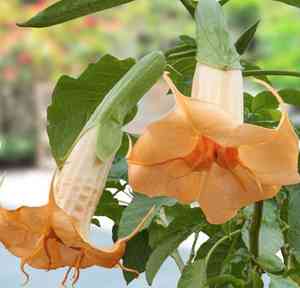
1
The ideal soil acidity for Angel's trumpet is between 6.5 and 7.5.
2
Angel's trumpet thrives with the incorporation of organic materials such as compost or aged manure.
3
Good soil drainage is crucial to avoid root rot, a frequent issue for Angel's trumpet.
Optimal Soil Makeup for Angel's Trumpet
Loamy Substrate
Loamy soil is considered the prime choice for cultivating Angel's trumpet. This soil type is a balanced blend of sand, silt, and clay, offering both excellent water drainage and moisture retention. It provides the ideal texture and structure for roots to develop freely, which is crucial for the plant's health and vitality.
Effective Drainage Characteristics
A key factor for Angel's trumpet soil is its capacity for good drainage. Insufficient drainage can result in waterlogged roots, leading to root rot and other fungal diseases. To ensure proper soil drainage, consider incorporating perlite or coarse sand into your soil mix. Creating raised beds or utilizing elevated planters can also enhance drainage, particularly in heavy clay soils.
Nutrient-Rich Content
Angel's trumpet is a heavy feeder, requiring soil abundant in organic nutrients. Mixing in compost, aged manure, or a balanced slow-release fertilizer into your soil can help fulfill the plant's nutritional needs. Consistent feeding during the active growth period promotes vigorous flower production and lush foliage.
Methods for Testing Soil for Angel's Trumpet Cultivation
Soil pH Assessment
Maintaining the correct soil pH (6.5 to 7.5) is vital for Angel's trumpet. Soil pH can be evaluated using pH testing kits available at gardening centers. If the pH is too low (acidic), adding lime can help increase it. Conversely, if the pH is too high (alkaline), sulfur or organic matter can be introduced to decrease it.
Moisture Level Verification
To prevent over or under-watering, regularly check the soil's moisture levels. This can be done with a moisture meter or simply by feeling the soil with your fingers. The top 2-3 inches (5-7.5 cm) should be dry before re-watering, ensuring roots receive adequate moisture without becoming waterlogged.
Nutrient Analysis
A soil test for nutrient content can help identify any deficiencies in your soil. Most local Cooperative Extension Services offer soil testing. The results will guide you in applying the correct type and amount of fertilizer. For Angel's trumpet, a balanced fertilizer with equal parts nitrogen, phosphorus, and potassium is generally advised.
How to Improve Soil for Angel's Trumpet
Incorporating Organic Material
Adding organic matter such as compost, aged manure, or leaf mold boosts soil fertility and structure. Organic matter improves water retention in sandy soils and drainage in clay soils, making it more suitable for Angel's trumpet.
Enhancing Drainage
If your soil tends to hold too much water, incorporating coarse sand, perlite, or fine gravel can significantly improve drainage. Constructing raised beds can also prevent water from accumulating around the roots, reducing the risk of root rot.
Adjusting Soil pH
Soil pH often changes over time due to factors like rainfall, plant nutrient uptake, and microbial activity. Regular testing and amending your soil to keep the pH within the 6.5 to 7.5 range ensures optimal nutrient availability. Use lime to increase pH and sulfur to decrease it.
Common Soil Issues for Angel's Trumpet
Soil Compaction
Compacted soil restricts root development and can hinder water and nutrient absorption. Address this by regularly loosening the soil, especially near the plant's base, and adding organic matter to improve aeration.
Poor Nutrient Retention
Sandy soils can drain too quickly, leading to inadequate nutrient retention. To counter this, add organic matter which helps hold nutrients and moisture, providing a more stable environment for the roots of your Angel's trumpet.
Excessive Moisture
Too much water can lead to issues like root rot. Ensure your soil has proper drainage and avoid overwatering. Adjust your watering schedule based on weather conditions and use well-draining soil amendments to prevent waterlogged conditions.
How to Maintain Soil Quality for Angel's Trumpet
Consistent Soil Testing
Regular soil testing, at least once annually, helps you monitor pH and nutrient levels, enabling informed adjustments. This ensures your Angel's trumpet has an optimal growing environment throughout the year.
Routine Organic Amendments
Regularly adding organic matter like compost or manure keeps the soil fertile and rich in essential nutrients. Aim to amend your soil at least twice a year, in spring and fall, to support healthy plant growth.
Mulching Application
Applying a layer of mulch around your Angel's trumpet conserves moisture, regulates soil temperature, and reduces weed growth. Organic mulches, such as bark or straw, gradually decompose, enriching the soil with nutrients over time.



