Optimal Soil for Growing Queensland bottle tree: What You Need to Know
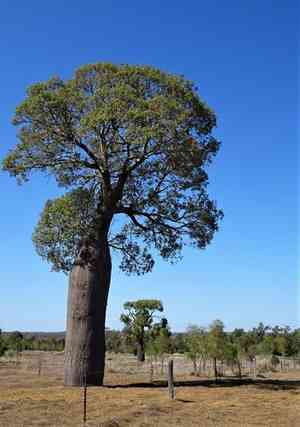
1
The Queensland bottle tree thrives in soil with a pH level between 6.5 and 7.5.
2
Properly draining soil is crucial to avoid root decay in the Queensland bottle tree.
3
Incorporating compost enhances soil richness and composition for the Queensland bottle tree.
Essential Soil Needs for Queensland Bottle Tree
Soil with Good Drainage
The Queensland bottle tree flourishes in ground that drains exceptionally well. Properly draining soil prevents water from accumulating around the roots, which can cause root decay. To achieve this, a blend of sandy and loamy soil is optimal. This soil type allows excess water to pass through while retaining sufficient moisture for the plant's requirements.
Nutrient Content
While the Queensland bottle tree is quite resilient, it benefits from soil rich in nutrients. A balanced supply of vital nutrients such as nitrogen, phosphorus, and potassium supports robust growth and foliage development. Choose soil that includes organic matter, like compost or aged manure, to naturally enrich the medium.
Soil pH Preferences
Maintaining the correct pH level is critical for the well-being of your Queensland bottle tree. This tree prefers soil that is slightly acidic to neutral, with an ideal pH range of 6.5 to 7.5. Regular soil pH testing can help you make necessary adjustments to keep it within this range.
Preparing Soil for Queensland Bottle Tree
Choosing the Right Soil Blend
Selecting the appropriate soil mixture is the initial step in preparing the site for your Queensland bottle tree. A blend containing coarse sand, loam, and a small amount of organic material is perfect. This combination promotes drainage while supplying some nutrients. Commercial cactus or succulent potting mixes can also be effective.
Soil Enhancements
Improving your soil with amendments can boost its structure and fertility. Adding compost increases the soil's capacity to hold water and nutrients. Perlite or coarse sand can be incorporated to improve drainage. Periodically adding these enhancements ensures the soil remains fertile and well-drained.
Proper Soil Aeration
Good soil aeration is crucial for the root health of the Queensland bottle tree. Compacted soil can hinder root development and reduce oxygen availability. Regularly tilling the top layer of soil or using aeration tools can help maintain soil structure. Aeration also facilitates better water absorption and prevents surface crusting.
Maintaining Soil Health for Queensland Bottle Tree
Routine Soil Analysis
Regularly testing the soil helps monitor its nutrient levels and pH balance. Home soil testing kits or professional services can provide a detailed analysis. This information is invaluable for making informed decisions about fertilization and other soil treatments.
Composting and Mulching
Applying compost and mulch can significantly benefit the soil and your Queensland bottle tree. Compost adds organic matter and nutrients, improving soil structure. Mulch helps retain moisture, regulate temperature, and prevent weed growth. A layer of mulch or compost around the tree's base can enhance its growing environment.
Watering Practices
Appropriate watering practices are essential for soil upkeep. Overwatering can lead to waterlogged soil, while underwatering can cause drought stress. Water your Queensland bottle tree thoroughly but allow the soil to dry out between waterings. This ensures the soil remains healthy and well-aerated.
Common Soil Problems for Queensland Bottle Tree
Soil Compaction
Soil compaction can impede the growth of Queensland bottle tree roots by reducing soil aeration and water penetration. Avoid heavy machinery or excessive foot traffic around the tree to prevent compaction. Regular aeration and the addition of organic matter can help alleviate this issue.
Nutrient Deficiencies
Yellowing leaves or stunted growth can indicate nutrient deficiencies. Regular soil testing can identify these issues early. Applying balanced fertilizers and organic amendments can correct and prevent nutrient imbalances.
Pest and Disease Management
Pests and soil-borne diseases can impact the health of your Queensland bottle tree. Symptoms like root rot or fungal infections are often due to poorly drained soil. Ensuring good soil health through proper care and routine monitoring can minimize these risks. Organic pest control methods and fungicides can also help manage outbreaks.



