Optimal Soil for Growing Paper birch: What You Need to Know
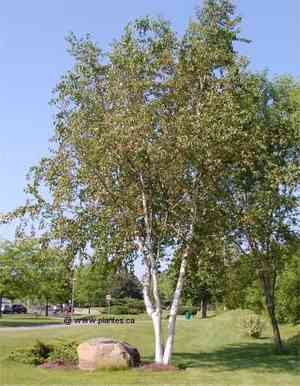
1
Paper birch flourishes optimally in soil pH levels between 6.5 and 8.
2
Adequate drainage is crucial to avoid water accumulation, which can harm the tree's root system.
3
Consistent soil analysis assists in preserving ideal conditions for the Paper birch, promoting stronger, more vigorous development.
Optimal Soil Type for Paper Birch
Perfect Soil Makeup
To begin, the Paper birch (Betula papyrifera) thrives in well-draining, sandy loam soils. These soil types offer an ideal balance of moisture retention and drainage, vital for robust root development. Sandy loam consists of 50-70% sand, 0-20% clay, and 30-50% silt, providing a structure suited to the specific needs of Paper birch. This composition allows roots to access essential nutrients while preventing waterloggingâa common issue for birches in heavier soils.
Significance of Soil pH
Soil pH is a crucial element for Paper birch growth. These trees flourish best in slightly acidic to neutral soils, with a pH range of 6.5 to 8. The pH level influences nutrient availability; extreme values can hinder nutrient absorption. Regular pH checks should be part of your soil care routine to ensure the optimal health of your Paper birch.
Drainage Requirements
Effective drainage is key to preventing root rot and other water-related stress. Paper birch naturally grows in areas with free-flowing water, such as riverbanks. Therefore, replicating these conditions in your garden will support their health. Well-drained sandy loam soil minimizes the risk of standing water around the root zone, which can lead to fungal diseases. Raised planting beds and adding organic matter can enhance drainage.
Assessing Soil Conditions for Paper Birch
Home Soil Testing Methods
Performing DIY soil tests is an economical way to regularly check your soil's state. Simple methods include using pH testing kits from garden centers or online. For a basic test, mix soil with distilled water and use pH strips to determine acidity. Additionally, conduct a drainage test by digging a 30 cm (1 foot) deep hole, filling it with water, and observing the drainage time. If it drains within 24 hours, the soil likely has good drainage for Paper birch.
Utilizing Professional Soil Analysis Kits
For a more precise and thorough evaluation, consider professional soil testing kits. These kits often provide detailed insights into soil composition, pH, nutrient levels, and organic matter content. Many agricultural extension services or local nurseries offer soil testing, where you can submit a sample for a comprehensive report. This detailed analysis can guide you in making specific adjustments to create the perfect growing environment for your Paper birch.
Improving Soil for Paper Birch Cultivation
Enriching Soil with Organic Matter
One of the best ways to boost soil quality is by incorporating organic materials. Compost, leaf mold, and well-rotted manure increase soil fertility, improve structure, and enhance water retention and drainage. When preparing the planting site for Paper birch, mix a generous amount of organic matter into the soil. This ensures your tree has access to the necessary nutrients for vigorous growth.
Adjusting Soil pH Levels
If the soil pH is outside the ideal range (6.5 to 8) for Paper birch, you can modify it using soil amendments. To increase pH (reduce acidity), add garden lime (calcium carbonate) to the soil. Conversely, to decrease pH (increase acidity), incorporate sulfur or aluminum sulfate. It's crucial to follow product instructions carefully and retest the soil after a few weeks to confirm the pH has reached desired levels.
Enhancing Drainage
Improving soil drainage can be achieved through several practical approaches. Adding coarse sand or fine gravel to the soil mix boosts permeability. Furthermore, creating raised beds can improve drainage, allowing excess water to move away from the root zone. Aeration, by making holes in the soil around the tree, also promotes better water movement and reduces compaction, fostering healthier root systems.
Maintaining Optimal Soil Health for Paper Birch
Seasonal Soil Care Practices
Maintaining soil health requires seasonal attention. In autumn, apply a mulch layer of organic materials like leaf litter or bark chips around your Paper birchâthis helps retain moisture and eventually decomposes to enrich the soil. In spring, perform soil tests to check pH and nutrient levels, ensuring any deficiencies are promptly addressed. Reapply compost or organic amendments annually to sustain soil vitality.
Monitoring Soil Moisture Levels
Regularly checking soil moisture levels ensures your Paper birch receives the correct amount of water. Soil should be moist but not waterlogged. Use a moisture meter to gauge water content at various soil depths. As a general guideline, ensure the top 5-8 cm (2-3 inches) of soil is damp. During dry spells, deep watering once a week ensures roots get sufficient water without causing standing water, which is harmful to your tree's health.



