Optimal Soil for Growing Oregon grape: What You Need to Know
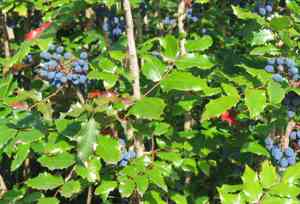
1
Oregon grape flourishes optimally in soil with a pH ranging from 6.5 to 7.5.
2
Adding organic matter like compost significantly boosts soil richness for Oregon grape.
3
Regular application of mulch aids in keeping soil moist and suppressing unwanted plants.
What Soil Types Suit Oregon grape?
Loamy Soil
Loamy soil is often considered the perfect blend for cultivating Oregon grape. This soil type features a balanced mix of sand, silt, and clay, offering excellent drainage and high fertility. Its crumbly texture helps roots establish firmly and ensures they receive adequate oxygen. If you plan to plant Oregon grape, aim for a loamy soil composition to maximize growth and vitality.
Sandy Soil
While sandy soil isn't typically known for high fertility, it can still support Oregon grape with appropriate modifications. Sandy soil drains well, preventing waterlogging, which is vital for this plant. However, you must monitor moisture levels as sandy soil dries out quickly. Adding organic material can enhance moisture retention and provide essential nutrients.
Clay Soil
Though clay soil can be challenging to manage, Oregon grape can adapt to it with some adjustments. Clay soil retains moisture effectively but tends to drain poorly, potentially leading to root rot. To make clay soil more suitable, aerate it and incorporate organic matter to improve its texture and drainage capabilities. This allows roots to breathe and access water without being submerged.
How to Improve Soil for Oregon grape?
Organic Matter
Incorporating organic matter such as compost or well-decomposed manure into the soil greatly benefits Oregon grape. Organic matter enhances soil structure, boosts nutrient content, and aids in moisture retention. Regular addition of organic matter ensures the soil remains fertile and well-aerated, promoting robust root development and vigorous growth.
Compost
Compost is an invaluable asset for gardeners seeking soil enrichment. For Oregon grape, mixing compost into the soil elevates nutrient levels and stimulates beneficial microbial activity. Compost also assists in improving both drainage and water retention. Apply compost in a 2-3 inch (5-7.5 cm) layer on the soil surface or dig it into the top 6 inches (15 cm) of soil.
Mulching
Mulching helps maintain consistent soil moisture and suppresses weeds that compete for nutrients. Use a 2-3 inch (5-7.5 cm) layer of organic mulch, such as bark chips or straw, around the Oregon grape plant. Mulching not only conserves water but also regulates soil temperature, safeguarding the roots from extreme weather conditions.
Ideal Soil pH for Oregon grape?
Testing Soil pH
Regularly testing your soil's pH is crucial to ensure it falls within the ideal range of 6.5 to 7.5 for Oregon grape. You can use a simple soil pH testing kit from a garden center or send a sample to a local extension service. Knowing your soil's pH helps you make informed decisions on how to adjust it if necessary.
Adjusting Soil pH
If your soil's pH is outside the optimal range, you can modify it. To increase soil pH, mix in agricultural lime. For decreasing it, use sulfur or aluminum sulfate. Always follow product instructions and retest the soil pH after making adjustments to ensure it reaches the desired range.
Drainage Requirements for Oregon grape?
Ensuring Good Drainage
Good drainage is vital for the health of Oregon grape. If the soil retains too much water, it can lead to root rot. To ensure proper drainage, you can create a raised bed or amend the soil with sand and organic matter. Verify that water does not accumulate around the plant after watering or rainfall.
Avoiding Waterlogged Soils
To prevent waterlogged conditions, avoid planting Oregon grape in low-lying areas where water collects. Ensure the planting site has a natural slope or adequate drainage channels. Additionally, avoid overwatering and ensure your irrigation practices complement the soil's drainage properties.
Soil Maintenance Tips for Oregon grape
Regular Soil Testing
Testing your soil annually helps you monitor and maintain its health. Soil tests provide crucial information on pH levels, nutrient content, and other key factors that influence plant growth. By understanding your soil's condition, you can make informed decisions on necessary amendments and improvements.
Seasonal Amendments
Applying seasonal amendments ensures your soil remains fertile and conducive to plant growth. In the spring, incorporate compost or well-decomposed manure to boost nutrient content. During fall, add mulch to protect the roots through winter. Consistent amendments help maintain optimal soil conditions for Oregon grape throughout the year.



