Optimal Soil for Growing Wax begonia: What You Need to Know
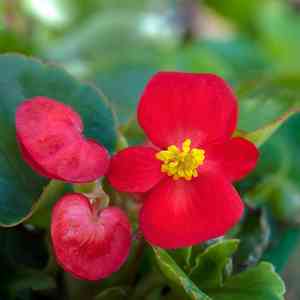
1
The ideal soil acidity for Wax begonia ranges from 6.5 to 7.5. This spectrum facilitates efficient nutrient absorption.
2
Wax begonia flourishes in soil that drains effectively, preventing root decay and other moisture-related problems.
3
Periodically enrich garden soil with organic materials such as compost to sustain its richness and composition.
Typical Soil Issues & Remedies for Wax begonia
Inadequate Drainage
Insufficient drainage can lead to root decay and other moisture-related problems in Wax begonia. If you observe foliage discoloration or a saturated soil surface, it might signal poor drainage. To fix this, ensure your container has sufficient drainage openings and utilize a well-draining potting medium. For garden beds, enrich the soil with coarse sand or perlite to enhance drainage. Furthermore, avoid excessive watering and permit the top inch of soil to dry between waterings.
Soil Compaction
Soil compaction restricts root development and limits the plant's access to water and nutrients. Indicators of compacted soil include stunted development and poor water absorption. To rectify compacted soil, regularly aerate it by gently loosening with a garden fork or an aeration tool. Incorporating organic matter like compost can also help break up dense soil and improve its structure.
Nutrient Deficiency
Nutrient scarcity in Wax begonia can manifest as yellowing foliage, weak growth, or reduced blooming. Perform a soil analysis to pinpoint specific nutrient shortages. To address nutrient deficiencies, supplement the soil with balanced, slow-release fertilizers rich in vital nutrients such as nitrogen, phosphorus, and potassium. Regularly amending the soil with organic matter like compost or well-rotted manure can also replenish essential nutrients and foster healthy plant growth.
How Frequently Should You Replace the Soil for Wax begonia?
Determining When to Replant
Repotting Wax begonia becomes necessary when the plant outgrows its container or the soil becomes depleted of nutrients. Signs that it might be time to repot include roots emerging from the drainage holes, soil that dries out rapidly after watering, or a noticeable decrease in the plant's growth and vitality. Repotting ensures the plant has ample space to grow and access fresh, nutrient-rich soil.
Steps for Repotting
To repot your Wax begonia, begin by selecting a slightly larger pot with good drainage. Gently remove the plant from its current container, being careful not to harm the roots. Shake off excess old soil and examine the roots for any signs of rot or damage. Place a layer of fresh potting mix at the bottom of the new pot, position the plant, and fill in around the roots with more potting mix. Press the soil gently to remove air pockets and water thoroughly.
Post-Repotting Care
After repotting, place your Wax begonia in a location with indirect light and maintain consistent moisture levels. Avoid fertilizing for a few weeks to allow the plant to adapt to its new surroundings. Monitor the plant for signs of stress, such as wilting or yellowing leaves, and adjust care routines as needed. With proper post-repotting care, your Wax begonia will quickly acclimate and continue to thrive.



