Optimal Soil for Growing Ponytail palm: What You Need to Know
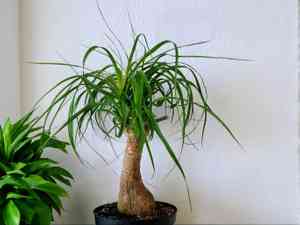
1
For your Ponytail palm, use a soil blend containing 30-50% non-organic components such as sand or perlite to promote excellent drainage.
2
Ponytail palms thrive in soil with a pH range of 6 to 7.5, falling into the neutral to mildly acidic category.
3
Incorporating organic materials, like compost, can enhance air circulation and enrich nutrients without negatively impacting the soil's ability to drain.
Optimal Substrate Characteristics for Ponytail Palm
Excellent Drainage
The primary requirement for Ponytail palm growing medium is superior drainage. This species originates from arid regions and has adapted to thrive in dry environments. Substrate that retains excessive moisture can cause root decay and other issues. To achieve this, a potting mix with a significant amount of inorganic components such as sand, perlite, or pumice is crucial. The aim is to replicate its natural setting where water quickly exits, preventing any waterlogged conditions.
PH Levels
Ponytail palms prefer a soil pH between 6 and 7.5, which is considered neutral to slightly acidic. You can easily check your soil's pH with a home testing kit. If the pH is too high or too low, it might impede the plant's ability to absorb vital nutrients. To adjust the pH, you can add materials like lime to increase it or sulfur to decrease it. Regular pH monitoring ensures your Ponytail palm remains vigorous and healthy.
Nutrient Content
While Ponytail palms do not require extremely rich soil, a balanced supply of essential nutrients will support robust growth. The substrate should contain a moderate amount of organic material, such as compost, to deliver these nutrients progressively. Refrain from heavy fertilization, as this can result in salt buildup in the soil, potentially harming the plant. Instead, using a slow-release fertilizer in modest quantities can keep your Ponytail palm well-fed without overwhelming it.
Appropriate Soil Varieties for Ponytail Palm
Cactus Mix
Cactus mixes are an excellent option for Ponytail palms because they are formulated for rapid drainage, preventing root rot. These blends typically include a balanced combination of organic materials like peat and inorganic materials such as perlite and sand. The main advantage is that these mixes create an ideal environment for your plant's roots, ensuring they aren't waterlogged for too long.
Commercial Succulent Blends
Commercial succulent blends are another superb choice. These formulations are designed to meet the needs of various succulents, including Ponytail palms. They generally contain a mix of organic components like coconut coir for moisture retention and inorganic materials like pumice for drainage. This combination ensures your Ponytail palm receives both nourishment and the fast-draining substrate it favors.
Sandy Loam
Sandy loam substrates provide a balanced environment perfectly suited for Ponytail palms. This type of soil consists of sand, silt, and a small quantity of clay, offering good drainage while retaining sufficient moisture and nutrients. If you prefer a more natural substrate blend, you can create your sandy loam by combining garden soil with sand and a touch of compost. It offers the best of both worlds – moisture retention and superior drainage.
Preparing the Substrate for Ponytail Palm
Mixing Custom Blends
Creating a custom soil mix for your Ponytail palm can be a rewarding endeavor. Begin with a base of standard potting soil and incorporate perlite, coarse sand, and a small amount of compost. Aim for approximately 50% potting soil, 25% perlite, and 25% coarse sand. This combination guarantees effective drainage while supplying necessary nutrients. Remember to test the pH of your homemade blend to confirm it falls within the optimal range.
Adding Perlite or Pumice
For an enhanced drainage capability, consider incorporating perlite or pumice into your soil mix. Both materials are lightweight and improve soil aeration, ensuring rapid water drainage and oxygen access for roots. Add roughly 10-20% perlite or pumice to your soil blend. This small addition can significantly aid in preventing waterlogging and fostering robust root development.
Substrate Sterilization
Before utilizing any substrate, it's advisable to sterilize it to eliminate any pathogens or pests. You can achieve this by baking the soil in your oven at 180°F (82°C) for 30 minutes. This step can prevent future issues such as fungal infections or pest infestations, giving your Ponytail palm the best start in a clean environment. Alternatively, you can purchase pre-sterilized substrates from a garden center.
Common Substrate Issues for Ponytail Palm
Compaction Problems
One frequent soil issue is compaction, which restricts root growth and limits air and water movement within the substrate. Over time, even well-draining soil can become compacted. To prevent this, periodically aerate the soil by gently loosening it with a fork or adding a bit of perlite to maintain its structure.
Over-Watering and Root Rot
Excessive watering is a common problem that leads to root decay. Ponytail palms store water in their bulbous trunks, meaning they require less frequent irrigation. Allow the substrate to dry out completely between waterings, and ensure the pot has drainage holes. If you observe yellowing foliage or a soft trunk, reduce watering immediately and inspect the roots for signs of rot.
Nutrient Deficiencies
While Ponytail palms are not heavy feeders, they can still experience nutrient deficiencies. Symptoms include yellowing or pale leaves, and stunted growth. To prevent this, integrate a slow-release fertilizer into the soil mix or apply a balanced liquid fertilizer diluted to half strength during the active growth period.
Soil Care Best Practices for Ponytail Palm
Do Ensure Adequate Drainage
Always ensure your soil mix provides excellent drainage. Use a container with drainage holes and incorporate materials like sand or perlite to improve the soil's capacity to drain surplus water.
Don't Use Dense, Clay-Rich Soil
Avoid using heavy, compact substrates such as clay-rich soil, which retain too much moisture and restrict root aeration. This can lead to waterlogging and root rot, impeding your plant's development.
Do Amend Substrate with Organic Matter
Incorporate organic matter like compost to enhance the soil's nutrient content and structure. It assists in balancing soil texture, retaining vital nutrients, and fostering beneficial microbial activity.
Don't Overwater
One of the fundamental rules for Ponytail palm care is to avoid overwatering. Allow the soil to completely dry out before watering again. This desert-native plant prefers to be drier rather than sitting in overly moist conditions.



