Optimal Soil for Growing Japanese laurel: What You Need to Know
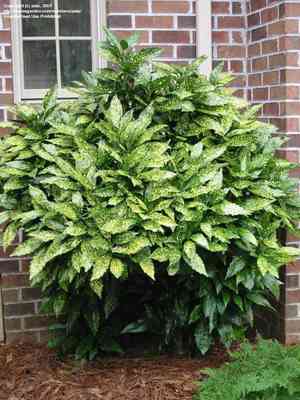
1
Japanese laurel flourishes in loamy substrates offering a good mix of drainage and essential nutrients.
2
Keeping the soil's pH between 6.5 and 7.5 allows your Japanese laurel to efficiently take in vital nutrients.
3
Adding organic material to the soil can greatly enhance its structure and enriching qualities for Japanese laurel.
Ideal Soil Type for Japanese Laurel
Loamy Soil
Japanese laurel thrives best in loamy soil, characterized by an optimal mix of clay, silt, and sand. This composition gives loamy soil its easily workable texture, which promotes robust root development and effective moisture retention without causing saturation. Furthermore, loamy soil fosters beneficial microbial activity, enhancing the availability of nutrients essential for the vibrant foliage of your Japanese laurel.
Slightly Acidic to Neutral pH
A soil pH between 6.5 and 7.5 is ideal for Japanese laurel. This range, leaning from slightly acidic to neutral, facilitates the plant's nutrient uptake. Deviations from this pH can lead to nutritional imbalances or toxicities. Utilizing a pH test kit is crucial for monitoring and adjusting soil conditions to ensure your Japanese laurel's health and vitality.
Excellent Drainage Qualities
Proper drainage is imperative for cultivating Japanese laurel. Although they appreciate moisture, these plants are highly susceptible to root rot if conditions become waterlogged. Integrating materials such as sand, perlite, or gravel can significantly improve drainage, allowing surplus water to rapidly exit the root zone. This simple measure helps protect your plant from common soil-borne issues, leading to stronger, healthier growth.
How to Improve Soil for Japanese Laurel
Enhancing Soil Drainage
To boost soil drainage, consider blending coarse sand or perlite into your garden soil. Constructing raised beds also offers an excellent solution for improving drainage and preventing water from pooling around the roots. Another effective strategy involves using soil amendments like vermiculite, which boosts aeration and drainage capabilities, making your soil perfect for Japanese laurel.
Achieving the Correct pH Level
Maintaining the appropriate soil pH is vital for Japanese laurel. If your soil is excessively acidic, adding lime can increase its pH. Conversely, if the soil is too alkaline, incorporating sulfur or organic materials like compost can help decrease the pH. Regular testing with a reliable kit will keep you informed and enable you to make necessary adjustments, ensuring your Japanese laurel thrives in an optimal growing environment.
Incorporating Organic Material
Adding organic matter such as compost, well-rotted manure, or leaf mold can significantly boost your soil's fertility, texture, and ability to retain water. Organic materials release nutrients gradually, encouraging beneficial microorganisms and enhancing soil structure. Spread a layer of organic matter, 2-3 inches (5-7.5 cm) thick, over the soil and mix it in thoroughly to create a nutrient-rich foundation for your Japanese laurel.
Typical Soil Issues and Solutions for Japanese Laurel
Soil Compaction
Soil compaction can impede root development and water penetration, posing a serious problem for Japanese laurel. To alleviate this, regularly aerate the soil using a garden fork or an aeration tool to create essential air channels. Additionally, incorporating organic matter can naturally loosen dense soil, fostering a healthier environment for roots.
Nutrient Deficiencies
Symptoms like yellowing leaves and stunted growth in your Japanese laurel may signal a nutrient deficiency. Perform a soil test to pinpoint specific shortages, and consider applying balanced fertilizers to correct nutritional imbalances. Organic options like compost or worm castings can provide a broad spectrum of nutrients while improving overall soil health.
Excessively Alkaline Soil
If your soil is too alkaline, your Japanese laurel might struggle to absorb iron and other vital nutrients. To reduce the pH, incorporate sulfur or aluminum sulfate as amendments. Furthermore, consistent addition of organic matter such as pine needles or peat moss can help establish a more acidic soil environment over time.
Seasonal Soil Care for Japanese Laurel
Spring Soil Preparation
Spring is a crucial period for preparing the soil for your Japanese laurel. Begin by conducting a soil test to assess pH and nutrient levels. Integrate compost and any necessary amendments, ensuring the soil is well-drained and ready for the upcoming growth season. Regular aeration helps maintain optimal soil structure for new root development.
Summer Upkeep
During summer, the key is to maintain soil moisture without causing waterlogging. Applying mulch around the base of your Japanese laurel can help conserve moisture and regulate soil temperature. Routinely check soil drainage, assess water requirements, and look for signs of stress or nutrient deficiencies, making adjustments as needed.
Fall Soil Conditioning
As the growing season draws to a close, fall offers an excellent opportunity to condition your soil. Add a fresh layer of compost to replenish nutrients and improve soil structure. Planting cover crops, such as clover, can enhance soil fertility and organic content once they decompose.
Winter Protection
Winter care involves safeguarding the soil and roots from severe freezing. A generous layer of mulch, approximately 2-4 inches (5-10 cm) thick, can insulate the soil, preventing temperature swings that can harm roots. Ensure the soil remains well-drained to prevent waterlogging from winter precipitation or melting snow.



