Optimal Soil for Growing Sweet wormwood: What You Need to Know
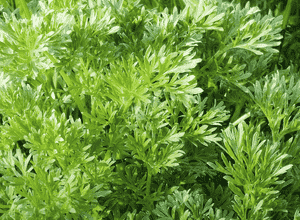
1
For best growth, Sweet wormwood needs a soil pH ranging from 6.5 to 8.0.
2
To avoid root decay in your Sweet wormwood, ensure the soil drains well.
3
Incorporating organic materials such as compost can enhance soil structure and nutrient levels.
Optimal Soil Types for Sweet Wormwood Cultivation
Well-Draining Substrate
For Sweet wormwood, a substrate that drains effectively is essential. This plant struggles in saturated conditions, and inadequate drainage can cause root decay. To assess drainage, excavate a hole approximately 30 cm (12 inches) deep and fill it with water. If the water dissipates within a few hours, your soil drains sufficiently. If not, consider incorporating sand or gravel to enhance it.
Ideal pH Levels
Sweet wormwood flourishes in soil with a pH range of 6.5 to 8.0. To ascertain your soil's pH, you can acquire a soil testing kit from a garden center. If your soil is excessively acidic (below 6.5), you can elevate the pH by adding lime. Conversely, if the pH is too elevated (above 8.0), sulfur or peat can assist in lowering it. Adjusting the pH ensures your plant can absorb nutrients efficiently.
Nutrient Content
While Sweet wormwood isn't overly demanding, it benefits from soils enriched with organic matter. Compost or well-decomposed manure can boost nutrient levels and improve soil structure. A balanced approach helps supply vital nutrients like nitrogen, phosphorus, and potassium. Ensure the nutrients are thoroughly integrated into the soil by mixing them well before planting.
How to Evaluate and Modify Soil for Sweet Wormwood
Assessing Soil Drainage
Begin by digging a 30-centimeter (12-inch) hole and filling it with water. If the water takes more than a few hours to drain, your soil has poor drainage. To rectify this, incorporate organic material like compost, and consider adding sand or perlite to enhance drainage.
Verifying and Adjusting pH
To test your soilâs pH, utilize a home soil test kit or submit a sample to a local extension service. If the pH is below 6.5, adding lime can help raise it. If the pH is too high, sulfur or organic materials like pine needles can help lower it. Always adhere to the product instructions for pH adjustments to prevent over-correction.
Enriching Soil with Organic Material
Organic matter enhances soil structure and nutrient availability. Incorporate compost or well-aged manure into your garden bed. Aim for about 5-10 centimeters (2-4 inches) of organic material worked into the top 15-20 centimeters (6-8 inches) of soil. This not only boosts nutrition but also improves soil aeration and moisture retention.
Common Soil Issues and Remedies for Sweet Wormwood
Inadequate Drainage
Poor drainage is a frequent problem that can lead to root rot. To resolve this, integrate sand, perlite, or small gravel into the soil to improve its structure. Raised beds or mounds can also facilitate better drainage, preventing roots from sitting in water.
Nutrient Deficiencies
Nutrient deficiencies can result in stunted growth and yellowing foliage. Conduct a soil test to identify missing nutrients and amend the soil accordingly. Use balanced fertilizers or specific nutrient amendments based on test results. Regular compost additions will also help maintain nutrient equilibrium.
Soil Compaction
Compacted soil restricts root development and water infiltration. To alleviate compaction, aerate the soil by tilling and mixing in organic matter. In severe cases, use a core aerator to remove small plugs of soil, which helps improve aeration and root penetration.
Soil Preparation Advice for Planting Sweet Wormwood
Selecting the Appropriate Site
Choose a sunny location, as Sweet wormwood thrives in full sun. Ensure the site has well-draining soil. Avoid low-lying areas where water could accumulate and create soggy conditions detrimental to the plant.
Soil Tilling and Aeration
Before planting, till the soil to a depth of approximately 30 centimeters (12 inches). This process helps loosen the soil, promoting better root growth and moisture penetration. Aerating with a garden fork can further improve soil structure, making it easier for roots to access air and nutrients.
Mulching and Moisture Retention
Apply a layer of mulch around the base of your Sweet wormwood plants. Mulching helps retain soil moisture, reduce weeds, and regulate soil temperature. Organic mulches like straw, wood chips, or shredded leaves are ideal. Keep mulch a few inches away from the plant stems to prevent rot.



