Optimal Soil for Growing Guinea-fowl aloe: What You Need to Know
1
Plant your Guinea-fowl aloe in soil that drains effectively to avoid root decay.
2
Guinea-fowl aloe thrives best in soil with a pH ranging from 6 to 7.5.
3
Enhancing store-bought potting soil with sand or perlite can boost drainage for your Guinea-fowl aloe.
Optimal Soil Type for Guinea-fowl Aloe
Soil Makeup for Guinea-fowl Aloe
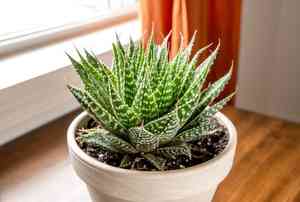
The Guinea-fowl aloe, with its complex rosette form and resilient nature, flourishes best in a soil blend that is both airy and granular. This composition mirrors its native environment, ensuring roots have ample space to breathe and expand. To achieve the ideal mix, combine cactus potting medium with inorganic elements like perlite or coarse sand. This combination will provide your aloe with the stability it requires while promoting superior water drainage.
Significance of Well-Draining Substrate
Similar to most succulents, the Guinea-fowl aloe is prone to root decay if left in waterlogged soil. Effective drainage is vital in preventing this common problem. A well-draining soil mixture ensures water passes through the soil, reducing the risk of saturation. This allows roots to absorb moisture efficiently without prolonged submersion. If you observe water pooling on the soil's surface long after watering, consider incorporating more sand or perlite to enhance drainage.
Ideal pH Levels for Guinea-fowl Aloe
Maintaining the correct soil pH is another crucial factor in cultivating a healthy Guinea-fowl aloe. These plants prefer a slightly acidic to neutral pH, ranging from 6 to 7.5. A soil pH within this range ensures that nutrients are readily available for absorption, fostering vigorous development. You can easily test your soil's pH using a home testing kit available at garden centers. Adjustments can be made by adding garden lime to increase the pH or using sulfur to decrease it.
How to Prepare Soil for Guinea-fowl Aloe
Choosing the Correct Soil Blend
When selecting a soil blend for your Guinea-fowl aloe, opt for a product specifically formulated for succulents and cacti. These mixes typically consist of a balance of organic matter and gritty materials that encourage drainage. You can also create your own blend by combining equal parts of standard potting soil, coarse sand, and perlite. This homemade mix ensures the soil is loose enough for root expansion and well-draining to guard against root rot.
Improving Natural Soil for Guinea-fowl Aloe
If you prefer using natural soil from your garden, you'll need to amend it to suit the needs of your Guinea-fowl aloe. Begin by assessing the soil's drainage. Dig a hole and fill it with water, noting the time it takes to drain. If it drains slowly, incorporate coarse sand or perlite to enhance its texture. Additionally, ensure the soil remains loose and aerated. Mixing in organic matter like compost can supply essential nutrients, but be careful not to overdo it, as excessive organic material can retain too much moisture.
Steps to Prepare Soil Before Planting
Before planting your Guinea-fowl aloe, it's essential to prepare the soil correctly. Follow these steps for optimal outcomes:Clear the planting area of any weeds, debris, or stones.Loosen the soil to a depth of approximately 12 inches (30 cm) by digging or tilling.Mix in sand, perlite, or a cactus blend to improve drainage.Verify and adjust the soil pH if necessary.Water the soil lightly to settle it before placing your aloe. By adhering to these steps, you can create a welcoming environment that promotes robust growth.
Common Soil Issues with Guinea-fowl Aloe
Indicators of Poor Soil Drainage
Inadequate soil drainage can lead to several problems for your Guinea-fowl aloe. Symptoms to observe include yellowing foliage, soft or mushy roots, and a general decline in plant vitality. Waterlogged soil prevents roots from receiving the necessary oxygen, leading to root rot and eventual plant demise. If you notice these signs, it's crucial to improve drainage immediately to save your plant.
Rectifying Soil Compaction
Soil compaction occurs when soil particles are pressed together, reducing pore space and hindering root growth. For Guinea-fowl aloe, compacted soil can restrict the roots' ability to access water and nutrients. To correct this, gently aerate the soil by poking holes with a garden fork or incorporating more coarse materials like sand or perlite. This will loosen the soil, improving its structure and making it more conducive to healthy root development.
Addressing Soil Nutrient Deficiencies
Nutrient deficiencies can manifest in various ways, such as pale leaves or stunted growth in your Guinea-fowl aloe. To manage these deficiencies, first, test your soil to identify the missing nutrients. Based on the results, you can amend the soil with specific fertilizers. For instance, a balanced succulent fertilizer diluted to half strength can provide the necessary nutrients without overwhelming the plant. Regular monitoring and amending of the soil will keep your aloe thriving.
Can You Use Store-Bought Potting Mixes?
Best Commercial Mixes for Guinea-fowl Aloe
Many garden centers offer commercial potting mixes formulated for succulents and cacti. These mixes are often designed to provide excellent drainage while supplying essential nutrients. Look for reputable brands that specify they cater to succulents and ensure the mix is gritty and loose. Some premium mixes might also include beneficial bacteria or mycorrhizae, promoting healthier root systems.
Modifying Commercial Mixes for Optimal Results
While commercial mixes are convenient, they sometimes require minor adjustments to be perfect for Guinea-fowl aloe. If the mix appears too dense, consider adding extra perlite or coarse sand to enhance drainage. This customization will ensure your aloe remains in an environment that mimics its natural habitat, promoting robust growth and preventing common issues like root rot. Even slight amendments can make a significant difference in plant health.



