Optimal Soil for Growing Norfolk island pine: What You Need to Know
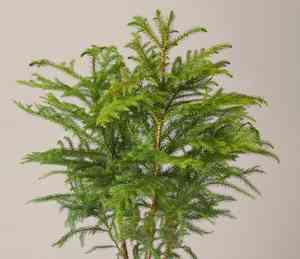
1
Norfolk Island Pine flourishes in soil with a pH ranging from 6.5 to 7.5.
2
Incorporating a blend of sand and perlite can enhance the soil's drainage for your Norfolk Island Pine.
3
Needles turning yellow may indicate inadequate soil conditions or improper irrigation practices.
Optimal Soil Type for Norfolk Island Pine
Effective Drainage
A primary soil requirement for Norfolk Island pine is efficient drainage. These trees are highly sensitive to stagnant water, which can result in root decay and other health problems. To ensure adequate drainage, consider utilizing a pot with multiple drainage apertures or placing stones at the pot's base. Well-draining soil facilitates root oxygenation, preventing asphyxiation and promoting robust development.
Sandy Loam Preference
Norfolk Island pine thrives in sandy loam soil, which provides an ideal equilibrium of air and moisture retention. Sandy loam is loose and friable, facilitating root expansion and growth. To achieve this soil composition, combine sand, silt, and a small quantity of clay. This mixture delivers an excellent blend of drainage and nutrient availability, vital for your pine's vitality.
Acidity Level and pH Balance
The optimal pH range for Norfolk Island pine soil is between 6.5 and 7.5. This slightly acidic to neutral pH level ensures peak nutrient uptake. You can assess your soil's pH using a straightforward home testing kit. If the pH is too low, adding lime can increase it, while sulfur can decrease a high pH. Maintaining this equilibrium helps keep your pine strong and healthy.
How to Improve Soil for Norfolk Island Pine
Incorporating Organic Material
Adding organic matter such as compost or fully decomposed manure can significantly enhance soil quality for Norfolk Island pine. Organic material enriches the soil, boosting its nutrient content and improving moisture retention without hindering drainage. Ensure the organic matter is thoroughly mixed with your existing soil to achieve a consistent texture and composition.
Utilizing Sand and Perlite
Introducing sand and perlite to the soil can improve its drainage capabilities. Perlite is a lightweight, volcanic glass that aids in aeration, while sand enhances soil texture. Aim to blend one part sand and one part perlite with two parts of your foundational loam soil. This combination ensures that surplus water drains effectively, averting root diseases.
Adjusting pH Levels
Maintaining the correct pH level for your Norfolk Island pine is essential. If you discover that your soil's pH falls outside the recommended 6.5 to 7.5 range, you can readily amend it. For overly acidic soil, adding lime can raise the pH. Conversely, for alkaline soil, incorporating sulfur or peat moss can help lower the pH. Regular testing and modifications ensure your soil stays within the optimal range.
Common Soil Issues and Resolutions for Norfolk Island Pine
Compressed Soil
Compressed soil is a frequent problem that can hinder root development and water penetration. To alleviate compaction, you can aerate the soil by gently loosening it with a garden fork. Additionally, integrating organic matter can help prevent compaction over time, ensuring your pine's roots have ample room to grow.
Excessively Moist Soil
Excess moisture is detrimental to Norfolk Island pine, leading to root rot and other issues. If your soil retains too much water, consider repotting the plant with a new soil mix that includes sand and perlite for improved drainage. Furthermore, ensure your pot has adequate drainage holes and avoid overwatering.
Nutrient Deficiencies
Nutrient deficiencies can manifest as poor growth and discolored needles. To remedy this, you may need to fertilize your pine with a balanced, slow-release fertilizer formulated for evergreens. Regularly incorporating organic matter into the soil can also help sustain its nutrient content.
Indicators of Soil Problems in Norfolk Island Pine
Yellowing Foliage
Yellowing needles are often the initial indication of soil-related issues in Norfolk Island pine. This could stem from inadequate drainage, nutrient shortages, or incorrect pH levels. To pinpoint the precise cause, assess soil moisture with a moisture meter and test the soil's pH. Adjust watering practices and amend the soil as required to resolve the underlying problem.
Slowed Development
If your Norfolk Island pine has ceased growing or is developing very slowly, it could signal compacted or nutrient-poor soil. Aerate the soil around the plant and add organic matter to boost its nutrient content. Consistent fertilization can also help stimulate new growth.
Root Rot Symptoms
Root rot is a severe condition resulting from overwatering or poorly draining soil. Signs include wilting, yellowing needles, and black or mushy roots. If you suspect root rot, remove the plant from its container, trim away the affected roots, and repot it in fresh, well-draining soil. Be sure to modify your watering habits to prevent recurrence.
Advice for Maintaining Optimal Soil for Norfolk Island Pine
Consistent Testing
Regularly testing your soil's pH and nutrient levels is crucial for sustaining ideal conditions for your Norfolk Island pine. Utilize a home soil testing kit to check the pH and make necessary adjustments. Additionally, monitor the soil's nutrient content and amend it with organic matter or fertilizers as needed.
Appropriate Watering Methods
Watering your Norfolk Island pine correctly is vital for its well-being. Water thoroughly until liquid begins to drain from the pot's base, ensuring moisture reaches the roots. Allow the soil to dry slightly between waterings to prevent root rot. Employing a moisture meter can help you determine when to water again.
Utilizing Mulch
Applying a layer of mulch can help regulate soil moisture and temperature. Use organic mulch such as pine bark or wood chips and place it around the base of your Norfolk Island pine. Mulch helps to reduce water evaporation, keep the soil cool, and introduce nutrients as it decomposes.



