Optimal Soil for Growing Mitre aloe: What You Need to Know
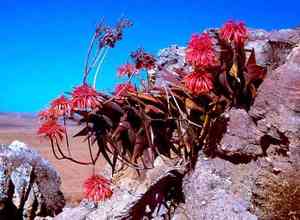
1
Mitre aloe flourishes in soil with a pH level between 6 and 7.5, indicating a slightly acidic to neutral preference.
2
Incorporating coarse sand or perlite into your potting medium improves drainage, averting root decay.
3
Periodically assess soil dampness to prevent excessive watering, which can cause fungal diseases in Mitre aloe.
Optimal Soil Type for Mitre Aloe
Understanding Soil with Good Drainage
For Mitre aloe to flourish, soil that drains well is essential. This kind of soil permits surplus water to exit rapidly, preventing waterlogged roots and fostering robust development. Well-draining soil typically contains larger particles, such as sand or perlite, which aid aeration and ensure roots receive ample oxygen. Overly dense soil can lead to water retention, which harms Mitre aloe, potentially causing root rot and other problems.
Perfect Soil Blend
The perfect soil blend for Mitre aloe combines various elements that support its growth requirements. A good mixture usually includes coarse sand, perlite, and a small amount of organic material. Proportions can vary, but a typical mix might be two parts coarse sand or perlite to one part organic soil. Organic matter, like compost, supplies vital nutrients, while sand or perlite ensures proper drainage and air circulation around the roots.
Advantages of Sandy Soil Mixtures
Sandy soil mixtures offer numerous benefits for Mitre aloe. These soils ensure water doesn't linger around the roots for too long, thereby minimizing the risk of root rot. Sandy soils also warm up quickly, which is advantageous for Mitre aloe's growth as it prefers warmer conditions. Furthermore, sandy mixtures are lightweight, making repotting and handling plants easier. A soil mix with a significant sand component mimics the plant's natural environment, leading to more vigorous growth.
Preparing Soil for Mitre Aloe Planting
Improving Your Soil
Before planting your Mitre aloe, it's crucial to enhance your soil to meet the plant's specific needs. Soil amendments can improve soil structure, drainage, and nutrient content. Mixing your existing soil with coarse sand, perlite, or even small gravel can boost drainage, a key for Mitre aloe's health. Adding organic matter, such as compost or aged manure, can provide necessary nutrients, especially if you're using a soilless medium.
Steps to Create Your Own Soil Mix
Crafting the ideal soil mix for Mitre aloe is straightforward. Follow these steps to ensure the best possible growing medium for your plant:Gather components: You'll need coarse sand, perlite, and organic soil or compost.Measure out two parts coarse sand, two parts perlite, and one part organic soil.Blend thoroughly: Ensure all ingredients are uniformly distributed.Check drainage: Pour water through the mix to confirm it drains quickly.Adjust as needed: If the soil holds too much water, incorporate more sand or perlite.
Utilizing Pre-Made Soil Mixes
If you prefer a more convenient option, commercial soil mixes specifically formulated for succulents and cacti can be an excellent choice for Mitre aloe. These mixes are designed to provide the correct balance of drainage and nutrient requirements for succulent plants. When selecting a commercial mix, check the ingredients to ensure they contain components like coarse sand, perlite, and minimal organic matter. Using these ready-made mixes can save time and ensure consistency, particularly for novice gardeners.
Maintaining Soil for Healthy Mitre Aloe
Regular Soil Analysis
To keep your Mitre aloe soil in prime condition, routine soil testing is advantageous. Testing helps monitor the pH level, which should be between 6 and 7.5 for Mitre aloe. Additionally, you can test for nutrient levels and make necessary adjustments. Soil testing kits are available in garden stores and online, providing quick and easy results. By monitoring the soil's health, you can proactively address any deficiencies or imbalances.
Ensuring Adequate Drainage
Ensuring proper drainage is an ongoing process. Over time, soil can compact, losing its ability to drain effectively. To prevent this, regularly inspect the soil and the drainage holes of your pots. If you notice water pooling on the soil surface or slow drainage, it might be time to refresh the soil mix. Additionally, elevate pots on blocks or use pot feet to enhance air circulation and drainage from the bottom.
Preventing Soil Compaction
Preventing soil compaction is crucial for Mitre aloe's health. Compacted soil can restrict root growth and reduce aeration, impacting the plant's overall well-being. Regularly loosening the top layer of soil can help maintain its structure. Avoid pressing down on the soil when planting or watering. Using lightweight, well-draining soil mixes also significantly reduces the risk of compaction. If the soil appears too dense, repotting into a fresh mix can restore ideal growing conditions.
Common Soil Issues and Solutions for Mitre Aloe
Identifying Poor Drainage Problems
Poor drainage is a common issue with Mitre aloe and can be identified by symptoms such as yellowing leaves, wilting, or a soft base. If you notice these signs, check the soil moisture levels and the pot's drainage. Improving drainage can involve repotting the plant in a better soil mix, adding more drainage holes to the pot, or elevating the pot to allow better water flow. Additionally, reduce watering to prevent further problems.
Managing Soil pH Levels
Maintaining the correct soil pH is vital for Mitre aloe's health. The ideal range is between 6 and 7.5. pH levels that are too high or too low can hinder nutrient absorption, leading to poor plant health. If the soil's pH is outside this range, you can adjust it by adding lime to increase the pH or sulfur to decrease it. Regular testing helps ensure the pH remains within the optimal range, promoting steady growth and vibrant foliage.
Addressing Nutrient Deficiencies
Nutrient deficiencies can manifest in various ways, such as yellowing leaves or stunted growth. If you suspect a deficiency, a soil test can confirm this. Based on the results, amend the soil with the required nutrients. Common amendments include organic compost, slow-release fertilizers, or specific nutrients like nitrogen, phosphorus, and potassium. For Mitre aloe, balanced fertilizers designed for succulents can be used sparingly to supplement any deficiencies.



