Optimal Soil for Growing Tiger tooth aloe: What You Need to Know
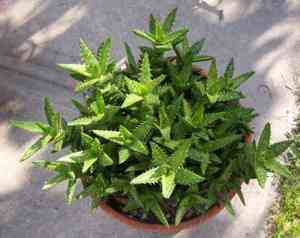
1
Tiger tooth aloe flourishes in soil that drains effectively; a potting mix designed for cacti or succulents is perfect.
2
Maintaining appropriate pH levels, specifically between 6.0 and 7.5, is vital for Tiger tooth aloe to absorb nutrients.
3
Adding organic materials such as compost can improve the soil's composition and supply of nutrients.
Optimal Substrate for Tiger Tooth Aloe
Drainage Requirements
The secret to a thriving Tiger tooth aloe is superior drainage. These plants originate from arid environments, making them highly vulnerable to root rot if kept in waterlogged conditions. An ideal soil blend ensures rapid water passage, preventing accumulation around the roots. Utilize a fast-draining potting mix specifically formulated for cacti or succulents, or craft your own by combining peat, sand, and perlite. Incorporating a layer of small gravel or broken terracotta at the pot's base can also help prevent moisture retention.
Soil Composition
The substrate for Tiger tooth aloe should be coarse and granular. The mixture must contain elements that promote aeration and allow water to drain quickly. A blend of equal parts potting soil, coarse sand, and perlite creates an excellent medium. Avoid dense soils like clay or heavy garden soil, as they hold excessive moisture and can suffocate the plant's roots. The perfect soil composition mimics the plant's natural habitat, fostering robust development.
pH Levels
Maintaining the appropriate pH level is another crucial factor for your Tiger tooth aloe's health. A slightly acidic to neutral pH range of 6.0 to 7.5 ensures nutrient availability for plant absorption. Regular soil pH checks help prevent deficiencies and keep your plant flourishing. Commercial soil pH testing kits are readily available and simple to use at home.
Preparing Soil for Tiger Tooth Aloe
Crafting the Correct Soil Mix
Developing the right soil blend involves combining components that achieve balance, ensuring both drainage and nutrient access. Begin with a foundation of 50% potting soil, 25% coarse sand, and 25% perlite. This combination delivers the appropriate texture and drainage characteristics necessary for healthy Tiger tooth aloe growth. You can also purchase pre-made cactus or succulent soil mixes, which often optimally combine these elements.
Incorporating Organic Material
While Tiger tooth aloe doesn't demand overly rich soil, adding a small quantity of organic matter can improve soil quality and supply vital nutrients. Mix well-decomposed compost or worm castings into your soil blend, comprising about 10% of the total volume. This addition enhances soil fertility, structure, and water retention capabilities without compromising essential drainage properties.
Sterilizing the Substrate
Sterilizing the soil is an often-overlooked yet vital step in preparing substrate for Tiger tooth aloe. This process eliminates harmful pathogens, pests, and weed seeds that could harm your plant. To sterilize soil, spread it thinly on a baking sheet and bake in an oven at 180°F (82°C) for 30 minutes. Allow the soil to cool completely before use. Sterilized soil promotes a healthier growing environment, reducing disease risk.
Common Soil Issues for Tiger Tooth Aloe
Overwatering Problems
One of the most frequent problems for Tiger tooth aloe is excessive watering, which can lead to root rot. Symptoms include yellowing foliage and a soft texture at the plant's base. To prevent this, ensure your soil drains well and water only when the top 2-3 centimeters (1 inch) of soil feels dry. If overwatering is suspected, inspect the roots and remove any that appear decayed, allowing the plant to dry before repotting in fresh soil.
Poor Drainage Solutions
Inadequate drainage can quickly cause root issues. Confirm that your pot has sufficient drainage holes and that your soil mix doesn't become compacted over time. If you notice water collecting at the pot's bottom, it indicates the mix may not be draining effectively. Adding more coarse sand or perlite can enhance soil structure.
Soil Compaction
Soil compaction hinders root development and water penetration, leading to poor plant health. Regularly aerating the soil by gently loosening it can prevent compaction. When repotting, carefully break up any compacted soil around the root ball. Revitalizing the soil with a fresh, well-draining mix every 2-3 years can also prevent compaction and ensure continuous plant vitality.
Soil Maintenance Guidelines for Tiger Tooth Aloe
Regularly Test Soil pH
Consistent soil pH testing is crucial for maintaining an optimal growing environment for your Tiger tooth aloe. Use a pH testing kit to confirm the soil remains within the 6.0 to 7.5 range. Adjust the pH if necessary by adding lime to increase it or sulfur to decrease it.
Avoid Heavy Garden Soil
Dense garden soil retains too much moisture for succulents and can cause root rot. Always choose light, fast-draining soil mixes. If using garden soil, significantly amend it with sand, perlite, and other gritty materials to improve drainage.
Repot When Necessary
Repotting benefits Tiger tooth aloe by allowing you to refresh the soil and provide more room for root expansion. Typically, repot every 2-3 years or when the plant outgrows its current container. Select a slightly larger pot with adequate drainage, and fill it with a fresh, well-draining soil mix.



