Optimal Soil for Growing Alocasia sanderiana: What You Need to Know
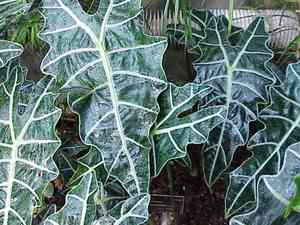
1
Kris plant flourishes in somewhat acidic soil, ideally with a pH between 5.5 and 6.5.
2
Incorporating organic materials such as peat moss or compost greatly improves soil health and nutrient content.
3
Proper water flow is vital for Kris plant to avoid root decay.
The Significance of Soil Selection for Kris Plant
Nutrient Accessibility
Selecting the appropriate substrate for your Kris plant is vital to ensure it receives the essential nutrients required for vigorous development. Key nutrients such as nitrogen, phosphorus, and potassium must be readily available in the medium to sustain the plant's lush leaves and overall vitality. Enriched soil will supply these fundamental elements, promoting strong and thriving growth.
Water Runoff and Aeration
Proper drainage and good aeration are crucial for the well-being of your Kris plant. If the potting mix retains excessive moisture, it can result in root rot, a frequent problem with poorly draining substrates. Aerated soil allows oxygen to reach the roots, which is critical for their cellular respiration. Incorporating perlite or coarse sand into your soil blend can markedly enhance aeration and drainage, creating a more favorable habitat for your plant.
Root Vitality
Vigorous roots form the bedrock of a flourishing Kris plant. The correct soil makeup ensures that roots have access to both nutrients and oxygen while preventing waterlogged conditions. Healthy roots will absorb water and nourishment more efficiently, leading to a more robust specimen. Consistent monitoring and maintenance of soil conditions can avert root-related issues that might otherwise hinder your plant's progress.
Optimal Soil Composition for Kris Plant
pH Levels
Kris plant thrives in moderately acidic soil, ideally within a pH range of 5.5 to 6.5. Maintaining this acidity level ensures that vital nutrients are easily accessible for the plant to absorb. Testing your substrate with a pH meter or kit can help you monitor and adjust pH as needed to keep your Kris plant vibrant and flourishing.
Organic Matter
Integrating organic materials like peat moss, compost, or well-rotted manure can considerably enhance soil fertility and structure. Organic matter boosts the soil's capacity to retain moisture and nutrients while also improving its drainage capabilities. This creates a harmonious environment that encourages robust root development and consistent plant growth.
Soil Texture and Type
A highly porous and well-draining soil mix is perfect for the Kris plant. A combination of potting soil, perlite, and peat moss generally works effectively. The potting soil provides a nutrient-rich foundation, perlite enhances airflow, and peat moss retains moisture without becoming oversaturated. This specific soil texture ensures the plant's roots have access to both air and water, which are essential for healthy growth.
Preparing Soil for Kris Plant Cultivation
Mixing Potting Medium
To formulate the perfect soil blend for your Kris plant, combine equal parts potting soil, perlite, and peat moss. This mixture creates a balanced medium that holds moisture without getting waterlogged and provides adequate drainage and aeration. Adjust the proportions based on your observations and the specific requirements of your plant.
Establishing Drainage Layers
Effective drainage is crucial to prevent waterlogging and root decay. When potting your Kris plant, begin by adding a stratum of gravel or broken pottery pieces at the pot's base to improve water runoff. This layer ensures that surplus water can easily exit, maintaining healthy and well-aerated soil around the roots.
Supplementing with Fertilizers
Regular application of fertilizers can supply additional nutrients that might not be present in adequate amounts within the soil. Utilize a balanced, liquid fertilizer every two to four weeks during the active growing season. Avoid excessive fertilization, as this can lead to nutrient imbalances and harm the plant. Adhere to the instructions on the fertilizer packaging for optimal results.
Addressing Common Soil Issues for Kris Plant
Insufficient Drainage
Poor drainage can lead to waterlogged soil and root rot, a frequent issue with Kris plants. To prevent this, ensure your soil mixture contains elements like perlite or coarse sand to improve water flow. Additionally, always use containers with drainage holes to allow excess water to escape. If you observe that water isn't draining correctly, consider repotting with a higher proportion of perlite or sand.
Nutrient Deficiencies
Lack of nutrients can manifest as yellowing leaves, stunted development, or sparse foliage. To rectify this, regularly feed your Kris plant with a balanced fertilizer during its growing period. If deficiencies persist, think about using a specialized nutrient solution to target specific shortages in your soil. Always follow the recommended dosages to avoid nutrient burn.
Soil Compaction
Compacted soil can impede root expansion and restrict access to water and nutrients. Periodically aerate the soil by gently loosening it with a small fork or by repotting when necessary. Incorporating organic matter and components like perlite can help prevent compaction by enhancing soil structure and ensuring your plant's roots have ample room to grow.



