Optimal Soil for Growing Chinese taro: What You Need to Know
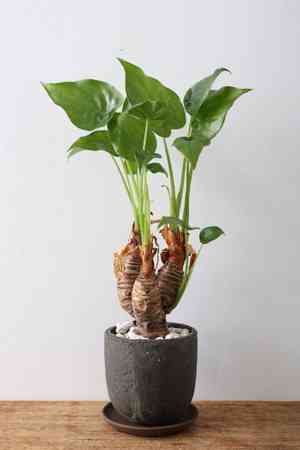
1
Periodically check the soil's acidity to confirm it stays within 5.5 to 6.5 for Chinese taro.
2
Add organic material to your soil blend to supply vital nutrients and improve the soil's composition.
3
Avoid root decay by verifying your soil drains effectively and isn't overly saturated.
What Kind of Growing Medium is Best for Chinese taro?
Soil with Good Drainage
It is essential that the growing medium offers excellent drainage for Chinese taro. Inadequate drainage can result in soggy conditions, promoting root decay, a common problem for many indoor plants. A substrate incorporating elements like perlite or coarse sand aids in improving aeration and prevents roots from sitting in excess water.
Growing Medium pH Level
The perfect pH range for Chinese taro falls between 5.5 and 6.5. This slightly acidic environment allows the plant to efficiently absorb necessary nutrients from the soil. You can assess your soil's pH using an accessible test kit found at most garden stores.
Nutrient-Rich Composition
A substrate rich in nutrients fosters robust growth in Chinese taro. Opt for a balanced, premium potting mix that incorporates organic matter such as compost or well-decomposed manure. This will supply vital nutrients like nitrogen, phosphorus, and potassium, crucial for plant vitality.
How to Formulate the Perfect Potting Mix for Chinese taro
Blend Components
To formulate the optimal potting mix for Chinese taro, you will require these elements: peat moss or coco coir, perlite or coarse sand, and high-quality compost. Peat moss or coco coir holds moisture while facilitating aeration. Perlite or coarse sand enhances drainage, and compost contributes vital nutrients.
Blend Proportions
An excellent mixing proportion to consider is 1 part peat moss or coco coir, 1 part perlite or coarse sand, and 1 part compost. This balanced combination ensures your Chinese taro receives sufficient moisture, aeration, and nourishment for prime development.
Enhancements for Improved Growth
Enhancing your potting mix with additional elements can further boost plant development. Think about incorporating a slow-release fertilizer to supply a consistent nutrient flow. Additionally, adding mycorrhizal fungi can improve root health by boosting nutrient absorption and refining soil structure.
Sustaining and Enhancing Growing Medium Quality for Chinese taro
Consistent Observation
Consistently monitor your growing medium to ensure it stays in peak condition. Checking moisture levels can prevent overwatering, and evaluating pH can guarantee it remains within the desired range. Adjustments can be made based on your observations to maintain a thriving growing environment.
Substrate Aeration Methods
Substrate aeration methods, such as gently loosening the topsoil with a fork or utilizing aeration tools, can boost air circulation to plant roots. This helps avoid soil compaction, which can impede root growth and decrease nutrient uptake. Regular aeration keeps the substrate light and porous.
Organic Groundcover
Applying an organic groundcover, such as bark chips or decomposed leaves, around the base of your Chinese taro can help retain moisture, stabilize soil temperature, and inhibit weeds. Organic groundcovers also break down over time, enriching the substrate with valuable nutrients.
Typical Potting Medium Issues for Chinese taro and Solutions
Excess Water and Root Decay
Excessive watering is a frequent concern in houseplant care, leading to root decay, which can be harmful to Chinese taro. To prevent this, confirm your pot has sufficient drainage holes and use a well-draining potting mix. Allow the top inch (2.5 cm) of the substrate to dry between waterings.
Nutrient Insufficiency
Nutrient deficiencies might appear as yellowing foliage or stunted development. Regularly feeding your Chinese taro with a balanced liquid fertilizer can resolve this issue. Follow the manufacturer's instructions and avoid excessive fertilization, which can lead to mineral build-up in the substrate.
Pest Outbreaks
Pest outbreaks, such as aphids or spider mites, can negatively impact growing medium health. Periodically inspect your Chinese taro for indications of pests and treat them with appropriate insecticidal soap or neem oil. Keeping plants healthy and unstressed also makes them less vulnerable to pest attacks.
Seasonal Growing Medium Care Advice for Chinese taro
Spring
Spring is an ideal period to repot your Chinese taro. Refresh the potting mix and check for any indications of root decay or pest infestations. This is also the active growth phase, so consistent feeding with a balanced fertilizer will support new development.
Summer
During summer, closely monitor growing medium moisture levels. Chinese taro might need more frequent irrigation due to higher temperatures and quicker evaporation. Ensure the substrate stays moist but not waterlogged.
Fall
In fall, begin to decrease irrigation frequency as the plant's growth decelerates. Apply a layer of organic groundcover to insulate the roots and retain moisture. This will prepare the plant for the approaching dormant phase.
Winter
Winter care involves minimal irrigation, as Chinese taro enters dormancy. Ensure the substrate is kept slightly dry and refrain from fertilizing. Relocate the plant to a cooler spot with indirect light to mimic natural conditions.



