Optimal Soil for Growing Lady's mantle: What You Need to Know
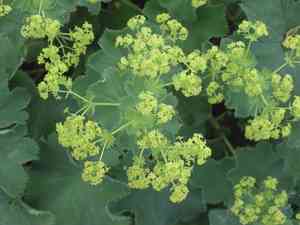
1
Lady's mantle flourishes in soil that is somewhat acidic to neutral, ideally within a pH range of 6.5 to 8.
2
Adding organic materials such as compost on a regular basis can greatly improve the soil's richness and composition.
3
Good soil drainage is crucial for preventing root rot in Lady's mantle, so amending the soil is vital if it holds too much moisture.
Optimal Soil Type for Lady's Mantle
Loamy Soil: The Preferred Medium
For cultivating Lady's mantle, the soil composition plays a vital role. Loamy soil is the most suitable type for this plant. This soil blend, comprising sand, silt, and clay, offers an excellent environment for root development. Loamy soil is recognized for its effective drainage while still retaining adequate moisture and nutrients. This equilibrium allows the plant to readily absorb necessary nutrients for robust growth. If uncertain about your soil type, a basic soil analysis can reveal its makeup.
pH Requirements
Lady's mantle thrives in slightly acidic to neutral soil, ideally within a pH range of 6.5 to 8. Maintaining this pH is critical for nutrient availability in the soil. A pH outside this range can cause nutrient lockout, hindering the plant's efficient absorption of vital minerals. Regular soil testing helps monitor pH levels, enabling timely corrective actions. For instance, adding lime can raise pH in overly acidic soil, while sulfur can lower it if too alkaline.
Drainage Needs
Effective drainage is essential for the healthy development of Lady's mantle. This plant requires well-draining soil to prevent waterlogging and root decay. If your garden soil drains poorly, you might need to enhance it with sand or perlite to improve its structure. Alternatively, planting Lady's mantle in elevated beds or containers can ensure sufficient drainage. Consistently check soil moisture and adjust your watering schedule to maintain healthy, thriving roots.
Preparing Soil for Lady's Mantle Planting
Soil Analysis and Amendments
Prior to planting Lady's mantle, it's advisable to test your soil to ascertain its pH level and nutrient content. Soil test kits are available at garden centers or through local agricultural services. Based on the results, you may need to modify your soil to meet the plant's needs. Amendments like lime or sulfur can adjust pH, while compost or well-rotted manure can boost soil fertility.
Incorporating Organic Matter
Adding organic matter to your soil is a crucial step in preparing it for Lady's mantle. Organic matter improves soil structure, enhances drainage, and increases nutrient availability. Compost, leaf mold, and well-decomposed manure are excellent sources of organic material. Aim to mix a generous amount of organic material into the top 15-20 centimeters (6-8 inches) of soil to create a rich, fertile environment for your plants.
Using Mulch
Applying mulch around your Lady's mantle plants helps retain soil moisture, regulate soil temperature, and suppress weeds. Organic mulches such as bark chips, straw, or shredded leaves decompose over time, contributing to soil fertility. Spread a layer of mulch approximately 5-7 centimeters (2-3 inches) thick around the base of the plants, ensuring it does not directly touch the stems to prevent rot.
Maintaining Soil Health for Lady's Mantle
Consistent Soil Testing
Sustaining optimal soil conditions for Lady's mantle requires ongoing observation. Conduct soil tests at least annually to monitor pH levels and nutrient content. Regular testing helps identify potential issues early, enabling informed decisions regarding fertilization and amendments. This proactive approach ensures the soil remains suitable for the plant's requirements throughout the year.
Adjusting Soil pH Over Time
Soil pH can change over time due to environmental factors and the breakdown of organic matter. If you observe the pH deviating from the ideal range, implement corrective measures. For instance, if the soil becomes too acidic, adding lime can help raise the pH. Conversely, for overly alkaline soils, elemental sulfur or peat moss can help lower it. Always adhere to recommended application rates and re-test the soil after making adjustments.
Keeping Soil Moist
Consistent soil moisture is vital for Lady's mantle's health. While the plant prefers moist soil, proper drainage is equally important to avoid waterlogged conditions that can lead to root rot. Water your Lady's mantle when the top 2-3 centimeters (1 inch) of soil feels dry to the touch. Mulching can help retain moisture, reducing watering frequency and providing a stable growing environment.
Common Soil Issues with Lady's Mantle and Their Solutions
Soil Compaction
Soil compaction can severely impede root growth and water penetration. If your soil appears compacted, aerate it by incorporating coarse sand or perlite to improve its texture and drainage. Avoid walking on the soil around your plants, and consider using raised beds to minimize compaction.
Nutrient Deficiency
Nutrient deficiencies can manifest as stunted growth, yellowing foliage, or poor blooming. Perform soil tests to identify which nutrients are lacking and amend the soil accordingly. Organic fertilizers, such as compost or worm castings, are excellent for boosting soil nutrient levels and providing a slow release of essential minerals.
Poor Drainage
Inadequate drainage can lead to waterlogged soil and root rot. If your Lady's mantle exhibits symptoms like yellowing or wilting leaves despite sufficient watering, poor drainage might be the cause. Amend the soil with coarse sand or perlite to enhance drainage, or consider planting in raised beds where you have greater control over soil structure.



