Optimal Soil for Growing Common bugle: What You Need to Know
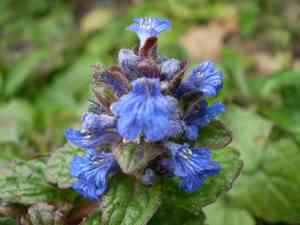
1
Ajuga reptans flourishes in loamy earth with a pH between 6.5 and 7.5.
2
Incorporating organic materials like compost significantly improves soil structure and nutrient levels.
3
Periodic soil pH checks assist in preserving optimal growth environments for Ajuga reptans.
Optimal Soil Type for Common bugle
Loamy Soil
The most suitable soil for Common bugle is loamy, a balanced mix of sand, silt, and clay. This soil type offers excellent drainage while retaining adequate moisture, preventing root saturation. Additionally, loamy soil is rich in organic matter, supplying essential nutrients for robust plant development. If your garden soil lacks loam, enrich it with compost or aged manure.
Clay Soil
Clay soil, with its dense composition and high water retention, can be challenging for Common bugle. Despite its nutrient richness, poor drainage can lead to root rot, especially in humid climates. To enhance clay soil for Common bugle, incorporate organic materials like compost, peat moss, or sand to improve aeration and drainage. This modification will make the soil less dense and more favorable for healthy root growth.
Sandy Soil
Sandy soil, known for its rapid drainage, presents both advantages and disadvantages for Common bugle. While it prevents waterlogging, its low nutrient content and poor moisture retention can result in dry, nutrient-deficient conditions. To improve sandy soil, integrate organic matter such as compost or well-decomposed manure. These additions will help retain moisture and provide vital nutrients, fostering vigorous growth of Common bugle.
Measuring Soil pH for Common bugle
Using a pH Meter
A pH meter is an accurate and simple device for assessing soil acidity or alkalinity. To use it, insert the probe into the soil near your Common bugle and await the reading. Ensure the soil is damp but not waterlogged for precise results. Calibrating the meter regularly, as per manufacturer guidelines, will maintain its accuracy, aiding in monitoring and adjusting soil conditions as needed.
Using pH Test Strips
pH test strips offer another cost-effective and straightforward method to determine soil pH. To use them, collect a soil sample from around your plant, mix it with distilled water to create a slurry, and dip the test strip into the mixture. Compare the resulting color change on the strip to the provided chart to ascertain the pH. This method is convenient and provides a quick assessment of your soil's pH, enabling timely corrective actions.
Ideal pH Range for Common bugle
Common bugle thrives within a soil pH range of 6.5 to 7.5. Maintaining this neutral to slightly acidic environment ensures optimal nutrient availability and promotes vigorous growth. Regular pH testing and necessary adjustments can prevent issues stemming from nutrient deficiencies or toxicities. If your soil's pH falls outside this optimal range, consider using amendments like lime to increase pH or sulfur to decrease it.
Amending Soil for Common bugle Cultivation
Improving Drainage
Effective drainage is vital for Common bugle to prevent waterlogging and root rot. To enhance drainage, particularly in clay or compacted soil, mix in coarse sand or gravel. Raised beds or mounds can also improve drainage by elevating plant roots above the water table. This practice ensures rapid water runoff, creating an ideal environment for healthy root development.
Enhancing Nutrient Content
Common bugle greatly benefits from nutrient-rich soil. To boost soil fertility, incorporate organic fertilizers such as compost, aged manure, or a balanced granular fertilizer during planting. These amendments provide a slow-release source of essential nutrients, promoting strong and vigorous growth. Regular top-dressing with organic mulch can also replenish soil nutrients and improve its texture.
Organic Matter Addition
Incorporating organic matter like compost, leaf mold, or well-rotted manure is an excellent way to enrich soil for Common bugle. Organic matter improves soil structure, increases water retention, and supplies a steady stream of nutrients as it decomposes. Work these materials into the topsoil before planting, and consider periodic reapplication to sustain soil quality and support ongoing plant health.
Common Soil Issues for Common bugle
Poor Drainage
Inadequate drainage is a frequent problem that can lead to root rot in Common bugle. Symptoms include yellowing leaves, stunted growth, and wilting, especially after heavy rainfall. To resolve this, ensure your soil has good structure and add organic matter to improve aeration. If the issue persists, consider replanting in raised beds or using containers with drainage holes.
Nutrient Deficiency
Nutrient deficiencies can manifest as discolored foliage, poor growth, and reduced flowering in Common bugle. Conduct a soil test to identify missing nutrients and amend the soil accordingly. Use balanced fertilizers and regular top-dressing with compost to maintain nutrient levels and support overall plant health.
Soil Compaction
Soil compaction restricts root growth and reduces water infiltration, posing a problem for Common bugle. Symptoms include poor establishment and reduced vigor. To remedy this, aerate the soil by tilling or using a garden fork to break up compacted layers. Adding organic matter can also improve soil texture and prevent future compaction.
FAQs on Common bugle Soil Needs
Can Common bugle thrive in heavy clay soil?
Common bugle can adapt to clay soil, but it requires modification to improve drainage and prevent waterlogging. Adding organic matter such as compost, peat moss, or coarse sand can help break up the dense clay and enhance soil structure, making it more suitable for Common bugle growth.
What soil amendments are best for Common bugle?
The most effective soil amendments for Common bugle include compost, well-rotted manure, and peat moss. These materials boost soil fertility, improve drainage, and enhance moisture retention, creating an ideal growing environment for your plant. Adding them before planting and as top-dressing can significantly benefit the soil quality.
How often should I test the soil pH?
It's advisable to test the soil pH annually or biannually to ensure it remains within the ideal range of 6.5 to 7.5 for Common bugle. Regular testing allows you to monitor changes and make necessary adjustments promptly, maintaining optimal growing conditions and preventing nutrient-related issues.



