Optimal Soil for Growing Chinese evergreen: What You Need to Know
1
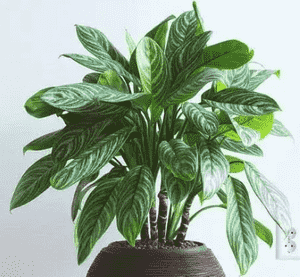
Chinese evergreen flourishes in soil that drains effectively yet holds adequate moisture without saturation.
2
The perfect soil acidity for Chinese evergreen falls between 6.5 and 7.5.
3
Incorporating organic materials, such as compost, into the soil boosts its nutrient profile and enhances its physical makeup.
What Soil Type Do Chinese Evergreens Require?
The Significance of Well-Draining Substrate
A critical element for the proper care of your Chinese evergreen is selecting the appropriate soil. For optimum development, Chinese evergreen plants necessitate a well-draining growing medium. This is due to their roots' intolerance for waterlogged conditions, which can result in root decay. Ensuring proper soil drainage allows surplus water to exit the container, maintaining root health and fostering robust plant growth. Well-draining soil typically comprises a blend of soil, sand, and perlite or pumice, which aids in soil aeration and prevents compaction.
Optimal Soil pH for Chinese Evergreen
To guarantee your Chinese evergreen receives essential nutrients, maintaining the correct soil pH is vital. The ideal pH range for Chinese evergreen falls between 6.5 and 7.5. This slightly acidic to neutral pH level facilitates more efficient nutrient uptake by the plant. You can assess your soil's pH using a testing kit, readily available at garden centers or online. If the pH is either too high or too low, you can modify it by incorporating amendments such as lime to increase pH or sulfur to decrease it.
Organic Content and Nutritional Value
Incorporating organic matter into your soil mix is another essential factor for a flourishing Chinese evergreen. Organic materials like compost or decomposed manure enrich the soil with nutrients and enhance its structure. These organic components supply crucial nutrients such as nitrogen, phosphorus, and potassium, which are fundamental for the plant's growth and progression. Furthermore, organic matter improves soil aeration and water retention, ensuring your plant has access to both air and moisture.
How to Formulate the Best Soil Mix for Chinese Evergreen?
Constituents of the Perfect Soil Blend
Crafting the ideal soil blend for your Chinese evergreen involves combining several elements that cater to its specific requirements. An effective mix includes: 1) Potting soil as the base, 2) Perlite or pumice for drainage, 3) Peat moss or coconut coir for moisture retention, and 4) Compost for nutrients. Each of these components plays a distinct role in ensuring the soil remains well-draining while holding necessary moisture and supplying the plant with vital nutrients.
Homemade Soil Mix Formula
For those who prefer a hands-on approach, preparing your own soil mix for Chinese evergreen is straightforward. A proven formula involves combining the following: 2 parts potting soil, 1 part perlite or pumice, 1 part peat moss or coconut coir, and 1 part compost. This combination guarantees sufficient drainage, moisture retention, and nutrient delivery. Mix these ingredients thoroughly to ensure uniform distribution before utilizing the soil in your containers.
Commercial Alternatives
If preparing your own soil is not feasible, numerous high-quality commercial options are available. Seek out potting mixes designated as well-draining or specifically formulated for indoor plants. These pre-packaged mixes typically contain a blend of soil, perlite or pumice, and organic matter, making them suitable for Chinese evergreen. Reputable brands often provide dependable soil mixes that can be found at local garden centers or online.
How to Enhance and Maintain Soil Quality for Chinese Evergreen?
Consistent Soil Analysis
Sustaining the soil quality for your Chinese evergreen necessitates routine soil testing. Testing the soil will assist you in monitoring pH levels and nutrient content, ensuring your plant remains vigorous. Soil test kits are economical and user-friendly, providing an accurate assessment of your soil's condition. Conduct tests every few months and adjust your soil mixture accordingly to keep it within the optimal pH range and nutrient balance.
Fertilizer: Types and Application Frequency
Chinese evergreen thrives with regular feeding to support its development. Apply a balanced, water-soluble fertilizer diluted to half strength every 4-6 weeks during its active growth period (spring and summer). Fertilizers featuring an equal ratio of nitrogen, phosphorus, and potassium (e.g., 10-10-10) are ideal. Refrain from over-fertilizing as this can lead to nutrient burn and harm the plant.
Managing Soil Compaction
Soil compaction can become an issue over time, especially if the soil mix is overly dense or if the plant is not routinely repotted. Compacted soil impedes root growth and diminishes aeration. To address this, ensure you repot your Chinese evergreen every 1-2 years, using fresh soil mix to improve drainage and aeration. Gently loosen the soil surrounding the roots during repotting to prevent damage and encourage healthy root expansion.
Common Soil Issues for Chinese Evergreen and Their Solutions?
Excess Watering and Root Decay
A frequent soil problem for Chinese evergreen is overwatering, which can lead to root rot. Root rot occurs when the plant's roots are submerged in water for extended periods, causing them to decompose. To prevent this, ensure your pot has adequate drainage holes and avoid letting the plant sit in stagnant water. Allow the upper inch (2.5 cm) of soil to dry out between waterings to keep roots healthy.
Soil Pests and Fungi
Soil pests such as fungus gnats and root mealybugs can pose challenges for Chinese evergreen. These pests typically flourish in damp conditions. To combat them, employ neem oil or insecticidal soap as a preventative measure and keep the soil relatively dry. For fungal issues, such as mold growth, allowing the soil to dry out can help, along with enhancing air circulation around the plant.
Soil Salinity
Soil salinity can become a problem if your Chinese evergreen is watered with hard water, leading to a buildup of salts. Indicators include a white crust on the soil surface and burnt leaf tips. To alleviate this, use distilled or rainwater for irrigation. Additionally, periodically flushing the soil with ample water can help leach out excess salts.



