Optimal Soil for Growing Century plant: What You Need to Know
1
The Century plant flourishes in sandy soils that drain effectively.
2
Keep the soil's acidity level between 6 and 7.5 for peak growth.
3
Frequent soil analysis helps guarantee the healthy and strong progression of your Century plant.
What Soil Conditions Are Best for Century plant?
Preferred Soil Type
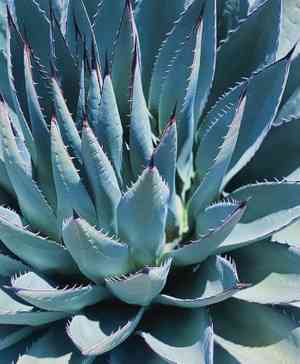
The Century plant, recognized for its striking spiky appearance, prospers in well-draining, sandy ground. These soil types mirror its natural desert home, ensuring adequate air flow and preventing root decay. Sandy soils are favored because they allow water to pass quickly, ensuring the Century plant's roots are not waterlogged, which can be fatal. Thus, if you're planting your Century plant outdoors, select sandy or coarse-textured earth. For those in less arid climates, consider using containers with cactus potting mixes, which are designed for superior drainage.
Soil pH Levels
The soil's pH level is vital for the Century plant. This resilient plant prefers a slightly acidic to neutral pH range, ideally between 6 and 7.5. Maintaining this pH level ensures the plant's roots can effectively absorb essential nutrients from the soil. If the pH deviates too far, the Century plant might suffer from nutrient deficiencies or toxicities, ultimately hindering its development. Regular testing and amending the soil can help maintain these optimal pH levels.
Drainage Requirements
Excellent drainage is absolutely essential for the Century plant. In its native environment, it grows in fast-draining desert soils that do not hold moisture for long periods. Excessive wetness around the plant's roots can lead to root rot, a frequent issue for many succulents, including the Century plant. Ensuring your soil or potting medium drains effectively is critical. If cultivating the plant in a pot, ensure the container has ample drainage holes and utilize a saucer to collect excess water. For garden plantings, raised beds can enhance drainage.
How to Prepare Soil for Planting Century plant
Selecting the Right Potting Mix
When getting ready to plant your Century plant, selecting the appropriate potting mix is crucial. Ideal potting mixes for Century plant include those formulated for cacti and succulents, as they provide the perfect combination of aeration and drainage. Look for a mix that contains sand, perlite, or pumice to ensure it doesn't retain too much moisture. These components help simulate the plant's natural habitat by allowing surplus water to drain quickly, averting root rot and other moisture-related problems.
Amending Garden Soil
If you plan to plant your Century plant directly in your garden, soil modification might be necessary. Begin by testing the soil's pH and drainage capabilities. Improve dense clay soils by incorporating coarse sand, perlite, or fine gravel to enhance drainage and ensure the soil remains loose. Organic materials like compost can also improve soil texture and fertility but should be used sparingly to prevent water retention. Amending garden soil creates a more favorable growing environment that supports the robust health and growth of your Century plant.
Sterilizing Soil
Sterilizing soil is a beneficial step when preparing to plant Century plant, particularly if you're reusing garden soil or potting mix. Sterilization helps eliminate pathogens and pests that could harm your plant. An easy method is solarization: spread the soil on a tarp, cover it with clear plastic, and leave it under direct sunlight for 4-6 weeks. For smaller quantities, you can sterilize soil by baking it in the oven at 180°F (82°C) for 30 minutes. Sterilized soil minimizes the risk of bacterial, fungal, and pest infestations, giving your Century plant a healthy start.
How Often Should You Test Soil for Century plant?
Testing Frequency
Consistent soil testing is a vital aspect of maintaining optimal conditions for Century plant growth. Ideally, you should test your soil at least once annually, especially before the growing season commences. This helps you understand current pH levels and nutrient availability, enabling timely adjustments. Regular testing ensures that the soil remains within the ideal pH range and nutrient levels stay sufficient for your Century plant's needs, promoting healthier and more vigorous growth.
DIY vs. Professional Testing
Soil analysis can be performed using do-it-yourself kits or through professional services. DIY soil test kits, available at most garden centers, offer a quick and economical way to check pH levels and nutrient content. However, for a more comprehensive analysis, consider utilizing a professional soil testing service. These services provide detailed reports on soil composition, pH, and nutrient levels, often with specific recommendations for amendments. Whether you choose DIY or professional testing depends on your budget and the level of detail required for your soil management.
Common Soil Problems Affecting Century plant
Soil Compaction
Soil compaction can be a serious issue for the Century plant, as compressed soil restricts root development and reduces soil aeration and water penetration. This can lead to poor plant vitality and stunted growth. To prevent compaction, avoid walking on or cultivating the soil when it's wet. Regularly aerate the soil by gently tilling or adding organic material to maintain a loose and porous structure, ensuring your Century plant can breathe and thrive effectively.
Nutrient Deficiencies
Insufficient nutrients are another frequent problem that can impact the health of your Century plant. Indicators of nutrient deficiencies include yellowing leaves, poor growth, and a weak structure. Ensure your soil contains essential nutrients such as nitrogen, phosphorus, and potassium. If deficiencies are detected through soil testing, amend the soil with appropriate fertilizers or compost to replenish these vital nutrients, supporting robust and healthy growth.
Fungal Infections
Fungal diseases can pose a threat to your Century plant, especially in poorly draining soils. Symptoms include discolored or rotting roots and wilted foliage. To prevent and treat fungal infections, maintain proper drainage and avoid overwatering. If an infection is suspected, remove affected plant parts and treat the soil with a fungicide. Good air circulation and sterilized soil can also help prevent fungal growth, ensuring your Century plant remains healthy.
How to Improve Soil for Better Century plant Growth
Adding Organic Matter
Incorporating organic material into your soil can significantly enhance the health of your Century plant. Organic matter improves soil structure, boosts nutrient availability, and encourages beneficial microbial activity. Use well-composted garden compost or aged manure sparingly to avoid excessive moisture retention. Mulching with organic materials like straw or bark can also help maintain soil moisture and temperature, creating a more stable growing environment for your Century plant.
Using Soil Conditioners
Soil conditioners can elevate soil quality, particularly in challenging conditions. For Century plant, perlite or coarse sand are excellent soil conditioners that enhance drainage and aeration. Gypsum is effective for breaking up heavy clay soils and can improve soil texture without altering pH levels. Applying these soil conditioners can create a more hospitable environment for Century plant, fostering healthier root development and overall growth.
Implementing Mulching Techniques
Mulching is a valuable method to improve soil health and promote superior growth for your Century plant. Organic mulches like wood chips, straw, or shredded bark help retain soil moisture, regulate temperature, and suppress weeds. Apply a 2-3 inch (5-7.5 cm) layer of mulch around the base of the plant, keeping it slightly away from the stem to prevent rot. Mulching also adds organic matter to the soil as it decomposes, enriching the soil over time.



