Optimal Soil for Growing Red buckeye: What You Need to Know
1
The ideal soil acidity for Red buckeye ranges from somewhat acidic to neutral, specifically 6.5 to 8.
2
Properly draining soil stops root decay in Red buckeye and supports robust development.
3
Adding organic materials, like compost or decomposed leaves, improves the soil, supplying vital nourishment for Red buckeye.
Optimal Ground Medium for Red buckeye
Consistency and Makeup
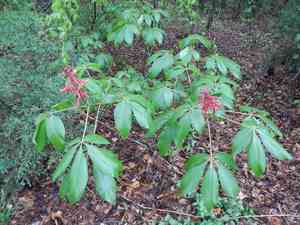
The Red buckeye, recognized for its vivid crimson blooms and resilient character, flourishes best in rich, loamy earth comprising a balanced mix of sand, silt, and clay. This particular soil texture ensures roots can readily penetrate and absorb the necessary nutrients for development. Loam also retains adequate moisture while allowing surplus water to escape, preventing saturation.
Drainage Requirements
Adequate drainage is vital for the Red buckeye. Its roots require aeration and must remain oxygenated, making well-draining soil indispensable. If the soil holds too much water, it can result in root decay and other fungal ailments. To enhance drainage, consider incorporating coarse sand or perlite into your garden soil.
Organic Material Content
Enriching the soil with organic substances such as compost, leaf mold, or aged manure benefits the Red buckeye. Organic matter improves soil structure, boosts moisture retention in sandy soils, and aids drainage in clay soils. Furthermore, it supplies vital nutrients and encourages beneficial microbial activity, fostering robust, healthy plants.
Soil pH for Red buckeye
Preferred pH Range
The ideal soil pH range for Red buckeye is between 6.5 and 8. This slightly acidic to neutral pH level enables the plant to absorb nutrients efficiently. If the pH deviates from this range, nutrient uptake can be hindered, impacting the plant's overall vitality and growth.
Testing Soil pH
Regularly assessing your soil pH helps ensure it remains within the desired range for Red buckeye. Soil testing kits are available at most garden centers and provide quick, accurate pH readings. Alternatively, you can submit a sample to a local extension service for a more thorough analysis.
Adjusting Soil pH
If your soil pH is too low (acidic), you can elevate it by adding lime (calcium carbonate). Conversely, if the pH is too high (alkaline), sulfur or peat moss can help reduce it. Adhere to the manufacturer's guidelines for application rates based on your soil test outcomes.
Nutrient Needs of Red buckeye
Essential Nutrients
Like all flora, the Red buckeye demands a balanced supply of crucial nutrients to thrive. Key nutrients include nitrogen (N), phosphorus (P), and potassium (K). Nitrogen supports leaf development, phosphorus is critical for root growth and flowering, and potassium enhances overall plant vigor.
Supplementing Nutrients
To ensure your Red buckeye receives all necessary nutrients, consider using a balanced, slow-release fertilizer in the spring. Organic options like compost or well-rotted manure also provide a consistent nutrient supply and improve soil health. Be mindful of specific nutrient requirements and adjust your fertilization regimen accordingly.
Soil Preparation for Planting Red buckeye
Site Selection
Choosing the correct location for planting Red buckeye is the initial step toward a thriving plant. Select a spot with partial shade to full sun and well-draining soil. Avoid low-lying areas prone to water accumulation, as excessive moisture can harm the roots.
Amending the Soil
Before planting, prepare the soil by incorporating organic matter. Digging in compost or other organic amendments helps improve soil structure, drainage, and nutrient content. Aim to amend the top 30 cm (12 inches) of soil to provide a rich growing environment for the roots.
Mulching Tips
Applying a layer of mulch around the base of Red buckeye helps retain soil moisture, regulate temperature, and suppress weeds. Use organic mulches like wood chips, bark, or straw and replenish them annually to maintain their effectiveness. Keep the mulch a few centimeters (inches) away from the trunk to prevent decay.
Common Soil Issues and Solutions for Red buckeye
Compacted Soil
Compacted soil restricts root growth and reduces air and water penetration. To remedy this, aerate the soil by loosening it with a garden fork or aerator. Adding organic matter can also improve soil structure and lessen compaction over time.
Poor Drainage Issues
Inadequate drainage can lead to waterlogged soil, which is detrimental to Red buckeye. To enhance drainage, incorporate coarse sand, perlite, or organic matter into the soil. Raised beds or mounds can also improve drainage in poorly drained areas.
Nutrient Deficiencies
Nutrient deficiencies manifest as yellowing leaves, stunted growth, or poor flowering. Conduct a soil test to identify any deficiencies and amend the soil with the appropriate fertilizers or organic amendments. Regularly monitoring and maintaining soil health can prevent these issues.



