Optimal Soil for Growing Bottlebrush buckeye: What You Need to Know
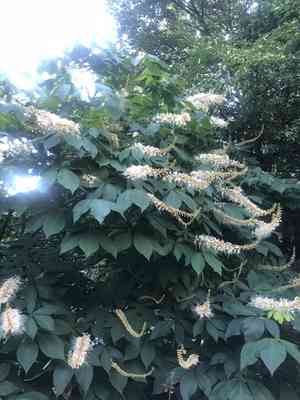
1
Bottlebrush buckeye flourishes optimally in soil that is mildly acidic to neutral, with a pH between 6.5 and 7.5.
2
Consistently add organic material to enhance the soil's composition and nutrient content for your Bottlebrush buckeye.
3
Guarantee superior soil drainage to avert root decay, a frequent problem for Bottlebrush buckeye situated in overly wet environments.
Optimal Soil for Bottlebrush Buckeye
Best Soil Makeup
The Bottlebrush buckeye thrives in soil rich in organic matter and with good drainage. A loamy soil, a balanced mix of sand, silt, and clay, works exceptionally well. This soil type holds moisture without becoming waterlogged, reducing the risk of root rot.
Ideal pH Range
For peak growth, the Bottlebrush buckeye needs slightly acidic to neutral soil, with a pH between 6.5 and 7.5. Maintaining this pH ensures efficient nutrient absorption. Use a soil pH test kit, available at garden centers, to check and manage soil acidity.
Drainage Needs
Excellent drainage is vital for Bottlebrush buckeye. Poorly drained soil can lead to waterlogging, increasing the chance of root diseases. To enhance drainage, consider adding materials like coarse sand or fine gravel. Also, ensure the planting site isn't prone to standing water.
Improving Soil for Bottlebrush Buckeye
Organic Material
Adding organic matter to the soil is crucial for the health of Bottlebrush buckeye. Materials such as compost, leaf mold, and well-rotted manure boost soil fertility, improve structure, and encourage beneficial microbes. Aim to add 2-3 inches (5-7.5 cm) of organic matter to the topsoil annually.
Soil Ventilation
Aerating the soil greatly benefits your Bottlebrush buckeye by improving airflow to the roots. This can be done by regularly turning the soil and adding coarse sand or perlite. These practices prevent soil compaction and promote a healthy root system.
Mulching Practices
Applying mulch around your Bottlebrush buckeye helps retain soil moisture, regulate temperature, and suppress weeds. Use organic mulches like wood chips, pine straw, or shredded bark, spreading a 2-3 inch (5-7.5 cm) layer around the plant's base, keeping it clear of the trunk.
Soil Analysis and Monitoring
How to Check Soil pH
Testing soil pH is a simple process using a home test kit or by sending a sample to a local extension service. These kits typically involve mixing soil with a solution and comparing the color change to a pH scale. Regular testing ensures the soil stays within the ideal pH range for Bottlebrush buckeye.
Monitoring Soil Dampness
Maintaining proper soil moisture is key for Bottlebrush buckeye health. Use a moisture meter to regularly check soil dampness. The soil should be consistently moist but not waterlogged. Water deeply and less often to encourage deep root growth.
Understanding Soil Nutrient Levels
To assess soil fertility, conduct a nutrient test every few years. These tests measure levels of essential nutrients like nitrogen, phosphorus, and potassium. Based on results, you can amend the soil with appropriate fertilizers to meet the Bottlebrush buckeye's nutritional needs.
Common Soil Issues and Fixes
Addressing Poor Drainage
If you encounter poor drainage, consider building raised beds for your Bottlebrush buckeye or amending the planting area with coarse sand or perlite to improve soil structure. Also, ensure gutters and downspouts direct water away from the planting area to prevent excess water buildup.
Correcting Soil pH Imbalances
Soil pH imbalances can negatively affect nutrient uptake in Bottlebrush buckeye. To raise soil pH, add lime; to lower it, incorporate sulfur or aluminum sulfate. Always follow recommended application rates and retest soil pH after amendments.
Managing Soil Compaction
Soil compaction hinders root growth and limits water and air penetration. To alleviate compaction, regularly till the soil and use organic mulch to improve its structure. Avoid walking or placing heavy objects on the soil around your Bottlebrush buckeye, as this can worsen compaction.



