Optimal Soil for Growing Bear's breech: What You Need to Know
1
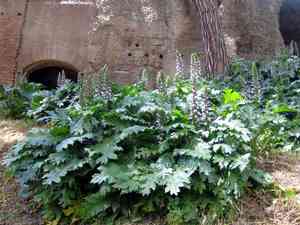
Acanthus mollis flourishes in fertile, well-drained soil with a neutral pH between 6.5 and 7.5.
2
Improve soil drainage by adding sand or organic materials such as compost or well-rotted manure.
3
Check your soil's pH yearly to confirm it stays within the ideal range for peak development.
Optimal Ground Qualities for Bear's breech
Good Drainage
For robust Bear's breech development, soil that drains effectively is essential. This plant dislikes standing water, and prolonged exposure to saturated conditions can lead to root decay. To assess soil drainage, excavate a hole approximately 30 cm (12 inches) deep, fill it with water, and observe how quickly the water recedes. Ideally, the hole should empty within a few hours. If water persists, consider amending your soil to enhance drainage.
Loamy Soil Makeup
The most suitable soil type for Bear's breech is loamy soil, which provides an ideal mix of sand, silt, and clay. Loam holds moisture and nutrients without becoming waterlogged, supporting a strong root system. You can identify loamy soil by its crumbly texture, which is neither too sticky (clay) nor too loose (sand). If your garden soil isn't loamy, blend it with organic matter like compost or well-decomposed manure to improve its structure.
pH Level Preferences
Bear's breech thrives in soil with a pH between 6.5 and 7.5. This neutral pH range ensures maximum nutrient availability. You can test your soil using a home pH kit or submit a sample to a local agricultural extension for analysis. If your soil's pH falls outside the desired range, you might need to adjust it by adding lime to increase the pH or sulfur to decrease it. Consistent testing helps maintain optimal growing conditions annually.
Ground Preparation for Planting Bear's breech
Amending Soil for Drainage
To ensure proper drainage, modify your planting area by incorporating coarse sand or fine gravel. Organic materials such as compost, aged manure, or peat moss can also improve soil structure. Aim for a mixture that allows excess water to filter through while retaining necessary moisture. Poor drainage can cause root diseases, so investing time in proper soil preparation is beneficial.
Boosting Soil Fertility
Bear's breech benefits from nutrient-rich soil. Before planting, enrich the soil with organic matter. Compost is excellent for this, as it gradually releases nutrients and enhances soil texture. Additionally, you can apply a balanced slow-release fertilizer, ensuring your plant has access to essential nutrients throughout the growing season. Incorporate these materials into the soil to a depth of about 15-20 cm (6-8 inches) for best results.
Testing Soil pH
Regular soil pH testing can help you maintain the perfect environment for Bear's breech. Use a pH test kit or meter to check your soil's acidity or alkalinity. If adjustments are necessary, apply appropriate amendments carefully and retest after a few weeks. Keeping your soil within the pH range of 6.5 to 7.5 ensures that nutrients are available for absorption, promoting vigorous growth and vibrant foliage.
Common Soil-Related Issues and Solutions
Addressing Poor Drainage
If your soil doesn't drain effectively, consider constructing raised beds or enhancing it with organic matter and coarse sand. Applying a layer of mulch around Bear's breech can also help regulate moisture levels. Ensure that any amendments are thoroughly mixed into the soil, and periodically monitor drainage to identify and resolve problems early.
Correcting Soil pH Imbalances
Should your soil test reveal an imbalanced pH, rectify it gradually. Add lime to increase pH in overly acidic soils, and sulfur to decrease pH in alkaline conditions. These adjustments should be made over time to avoid stressing the plants. Regular testing will guide these amendments effectively, ensuring a supportive environment for Bear's breech.
Managing Soil Nutrients
Over-fertilizing can be as detrimental as under-fertilizing. Use a balanced fertilizer, ideally a slow-release type, to provide a consistent nutrient supply without overwhelming your plants. Organic options like compost and well-rotted manure also contribute valuable nutrients and improve overall soil health, fostering strong growth in Bear's breech.
Seasonal Soil Care Advice for Bear's breech
Spring Soil Preparation
In spring, revitalize your soil by adding compost or well-decomposed manure. This not only boosts fertility but also improves soil structure. Additionally, re-test your soil pH to confirm it's within the optimal range of 6.5 to 7.5. Preparing your soil well in spring sets the foundation for a healthy growing season.
Summer Maintenance
During summer, maintain moisture levels by mulching around Bear's breech. This helps retain soil moisture and suppress weeds. Avoid excessive watering; instead, water deeply and less frequently to encourage deep root development. Regularly check the soil to ensure it remains well-drained.
Fall Soil Conditioning
In the fall, focus on adding compost or leaf mulch to enrich the soil. This practice replenishes nutrients depleted during the growing season, preparing your soil for winter dormancy. Fall is also an excellent time to test soil pH and make any necessary adjustments.
Winter Soil Protection
Protect your soil in winter by applying a thick layer of organic mulch, such as straw or shredded leaves. This helps insulate the soil, preventing erosion and maintaining a healthier structure. Keep an eye on wet conditions; well-drained soil is still crucial, even in the dormant season.



