Boost Growth: How and When to Repot Your Common periwinkle Plant
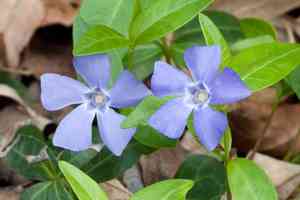
1
The optimal period to transplant Common periwinkle is in early spring.
2
Look for indications of root bound conditions or inadequate soil drainage as signals for repotting.
3
Employing a soil blend that drains effectively is vital for the well-being of Common periwinkle.
Grasping the Optimal Period to Replant Common periwinkle
Recognizing indicators that your Common periwinkle requires a new container
A primary indicator that your Common periwinkle might need transplanting is the appearance of roots from the drainage openings. This signifies the plant is becoming pot-bound and requires more room to expand. Furthermore, if you observe the soil no longer retains moisture effectively, or if the plant seems to have outgrown its container, a change may be due.
Seasonal considerations for transplanting: What is the ideal timing?
For peak development and minimal strain, the prime time to replant your Common periwinkle is in early spring. During this phase, the plant is preparing for a period of vigorous growth, which aids its recovery and quicker adjustment to the new surroundings. Replanting in early spring also guarantees the plant can fully benefit from the warmer temperatures and increased sunlight of the forthcoming growing season.
Choosing the Appropriate Container and Substrate for Common periwinkle
Selecting a pot size and type that fosters development
When choosing a new container for your Common periwinkle, it's crucial to pick one only slightly larger than the current one, typically 2-5 cm (1-2 inches) wider in diameter. This ensures the plant has ample room to grow without sitting in excess water, which can lead to root decay. Terracotta pots are an excellent option as they offer good air circulation and drainage.
The best soil blend for robust roots and efficient drainage
A well-draining soil mixture is vital for the health of your Common periwinkle. A blend of potting soil, perlite, and peat moss works effectively, ensuring the roots have access to water and nutrients without becoming waterlogged. Aim for a mix that holds moisture but also allows surplus water to escape.
Detailed Procedure for Replanting Common periwinkle
Preparing your work area and gathering necessary implements
Before you start replanting, prepare your workspace by covering the surface with newspaper or a plastic sheet to catch any spills. Collect all the essential tools, including gloves, a small shovel, the new pot, fresh soil mix, and a watering can. Having everything ready will make the process smoother and less stressful for both you and your plant.
Carefully extracting your plant from its current container
Gently tap the sides of the existing pot to loosen the soil and roots. Carefully hold the plant's base and tilt the pot sideways to slide the Common periwinkle out. Avoid pulling on the stem as this can cause harm. If necessary, use a trowel to gently separate the soil edges from the pot.
Placing Common periwinkle in the new pot: Effective methods
Place a layer of fresh soil mix at the bottom of the new pot. Position the Common periwinkle in the center, ensuring the roots are spread out evenly. Fill in around the plant with more soil mix, pressing gently to remove air pockets. The plant's base should be at the same level as it was in the old pot.
Watering and post-transplanting care recommendations
After replanting, water the plant thoroughly until water flows from the bottom holes. Place the pot in a location with bright, indirect light to help the plant adjust. Over the next few weeks, monitor the soil moisture and ensure it remains consistent but not waterlogged. Avoid fertilizing immediately after replanting to allow the roots time to settle.
Frequent Issues and Solutions When Replanting Common periwinkle
Addressing root decay and preventing damage during transplanting
To prevent root rot, ensure the new pot has sufficient drainage holes and avoid overwatering. If you notice any soft or discolored roots during replanting, trim them with sterilized scissors. Use a well-draining soil mix to maintain healthy roots.
Managing plant shock and promoting rapid adjustment
Replanting can be stressful for Common periwinkle. Minimize stress by handling the plant gently and keeping it in optimal conditions after replanting. Maintain consistent moisture and light and avoid moving the plant excessively. If needed, use a diluted solution of seaweed extract to help boost the plant's recovery.



