Boost Growth: How and When to Repot Your Japanese snowball Plant
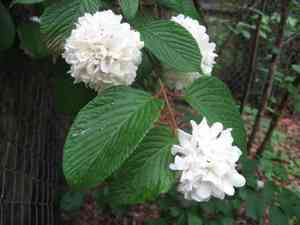
1
Repotting the Japanese snowball is most effective in spring or winter for peak development.
2
Confirm the fresh container is 1 to 2 inches (2.5 cm to 5 cm) wider in diameter than its predecessor.
3
Refrain from utilizing garden soil for repotting, as it tends to compact and impede root expansion.
Why Replant Your Japanese snowball?
Promoting Robust Development: Advantages of providing your plant with fresh substrate and room to expand.
Replanting your Japanese snowball is vital for fostering strong and healthy development. As plants mature, their root systems enlarge and need more space to absorb nutrients and water effectively. By replanting, you supply your plant with new soil rich in essential nutrients, encouraging vigorous growth. Furthermore, a larger container offers more room for the roots to spread, reducing the risk of root congestion and enabling the plant to flourish.
Preventing Root Congestion: Understanding how space impacts root vitality and plant well-being.
Root congestion is a frequent problem as plants grow, leading to stressed roots which can impede the overall health of your Japanese snowball. When roots are confined, they compete for limited resources, which can slow the plant's development or even cause root diseases. Replanting prevents these issues by giving the roots ample room to expand, ensuring they continue to provide adequate support and nourishment to the plant.
When Is the Optimal Time to Replant Your Japanese snowball?
Seasonal Advice: Best seasons and growth cycles for replanting.
The ideal period to replant your Japanese snowball is during the spring or winter months. Spring is a perfect time because it marks the start of the growing season, allowing the plant sufficient time to recover and establish itself in its new container. Meanwhile, replanting in winter can also be advantageous as the plant is typically in a dormant state, making it less susceptible to root disturbance.
Indicators It's Time: How to recognize when your Japanese snowball needs replanting.
There are several clear signs that suggest it's time to replant your Japanese snowball. If you observe roots emerging from the drainage holes, it indicates the plant has outgrown its current pot. Similarly, if the plant's growth has stalled despite proper care, or if the soil no longer retains moisture effectively, these are strong signals that replanting is necessary.
Selecting the Appropriate Pot and Substrate for Your Japanese snowball
Choosing the Correct Pot Size and Material: Factors to consider for ensuring proper development.
Selecting the right pot is crucial for the well-being of your Japanese snowball. Aim for a container that is 2.5 cm to 5 cm (1 to 2 inches) larger in diameter than the current one. This size allows for growth without overwhelming the plant. Additionally, ensure the pot has sufficient drainage holes to prevent waterlogging. Regarding material, clay pots offer good aeration while plastic pots are lightweight and retain moisture well. Your choice should align with your plant's requirements and your environmental conditions.
The Best Soil Blend: Recommendations for nutrient-rich substrate mixtures.
For the Japanese snowball, a well-draining, nutrient-rich soil blend is essential. You can use a standard potting mix but consider incorporating components such as perlite or sand to improve drainage. Compost or organic matter can enhance the soil's nutrient profile. Avoid using garden soil as it tends to compact and hold too much water, which can impede root growth.
Step-by-Step Guide to Replanting Your Japanese snowball
Preparation: Tools and supplies you will require.
Before you begin, gather all the necessary tools and supplies. You'll need a new pot, fresh potting soil, a small trowel, pruning shears, and water. Having everything ready will make the process smoother and more efficient.
Step 1: Gently Removing Your Plant
To extract your Japanese snowball from its current pot, lightly tap the sides of the container to loosen the soil. Carefully hold the plant at the base of the stem and tilt the pot. Avoid pulling the plant by the stem as this can cause damage. If the plant is resistant, you can use a knife to gently separate the soil from the pot's edges.
Step 2: Preparing the New Container
Ensure the new pot is clean and fill the bottom with a layer of fresh potting soil. This layer prepares the pot to receive the plant and provides an initial foundation of nutrients. Make sure the soil layer is even and not too compressed.
Step 3: Transferring and Positioning Your Plant
Place the Japanese snowball in the new pot, ensuring it is centered. Adjust the height so that the plant sits at the same level it did in the old pot. Fill in around the roots with fresh soil, firming it gently to eliminate air pockets. Be careful not to over-fill or compact the soil too much as this can hinder root growth.
Step 4: Post-Care: Ensuring a successful transition.
Once replanted, water the plant thoroughly to help settle the soil around the roots. Place your Japanese snowball in a location with appropriate light conditions and observe it closely over the next few weeks. Avoid overwatering; allow the top layer of soil to dry out between watering sessions to prevent root rot. Watch for any signs of stress and address them promptly.
Common Errors to Avoid When Replanting Japanese snowball
Excessive Watering After Replanting: Balancing moisture levels to prevent root decay.
A common error is overwatering the Japanese snowball after replanting. While it is crucial to water thoroughly immediately after the process, subsequent irrigation should be measured. Ensure the topsoil has dried before watering again to prevent root rot and other moisture-related issues.
Using Incorrect Soil Type: How this can impede plant health.
Another frequent error is using the wrong type of soil. Garden soil or heavy, compacting soils can restrict root growth and drainage, leading to poor plant health. Always use a well-draining, light potting mix suited to the needs of your Japanese snowball.



