Boost Growth: How and When to Repot Your Silver inch plant Plant
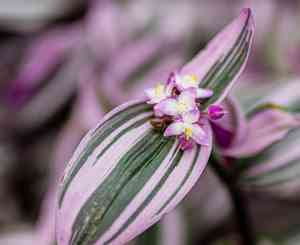
1
Optimal time for transplanting Silver inch plant: Beginning of Spring.
2
Select a container that is incrementally larger, specifically 2.5 to 5 centimeters (1 to 2 inches) wider, than its current dwelling.
3
Employ a potting substrate with excellent drainage, formulated for the Silver inch plant.
Why Replant Your Silver Inch Plant?
Encouraging robust growth by refreshing the substrate
Replanting your Silver inch plant supplies new soil that restores vital nutrients. Over time, the growing medium in containers loses crucial minerals and becomes dense, impeding development. By replacing the soil with a fresh, nutrient-rich mixture, your plant can take up essential elements that foster healthy development and strong foliage.
Fostering root development in an expanded container
Another significant reason to replant is to provide your Silver inch plant with more space to flourish. As the plant matures, its root system requires additional room to spread and absorb moisture and nutrients effectively. A larger container facilitates better root expansion, which supports both the immediate health of the plant and its long-term stability and growth.
Enhancing the plant's overall vitality and appearance
Regular replanting can markedly improve the overall health and look of your Silver inch plant. A thriving root system results in lush, vibrant leaves and an attractive plant. Furthermore, repotting allows for the inspection and removal of any damaged or diseased roots, preventing potential problems that could impact the plant's vigor.
When Is the Optimal Time for Repotting?
Detecting indicators of root congestion
The best method to determine if your Silver inch plant requires repotting is to examine its roots. If you observe roots emerging from drainage holes or encircling the pot's inner surface, it's a clear indication your plant has outgrown its current vessel. Root crowding can hinder water and nutrient uptake, making repotting essential for continued growth.
Noticing seasonal growth patterns
Early Spring is the ideal period for repotting your Silver inch plant. This season coincides with the plant's active growth phase, enabling it to adapt and recover more swiftly. Repotting during this time ensures the plant has sufficient resources to support new root growth and overall development.
Verifying the duration since the previous repot
As a general guideline, consider repotting your Silver inch plant every 1 to 2 years. However, this can fluctuate based on the plant's growth rate and overall condition. Keeping a log of repotting dates can help you anticipate when the next refresh is due, ensuring your plant never goes too long without new soil and additional space.
Choosing the Appropriate Pot and Growing Medium
Selecting container size and composition
When picking a new container for your Silver inch plant, choose one that is 2.5 cm to 5 cm (1 to 2 inches) wider in diameter than the existing pot. This size increase offers ample room for root expansion without overwhelming the plant. Consider materials like terracotta, which provides good air circulation, or plastic pots, which are lightweight and retain moisture effectively.
Utilizing the correct soil mixture for Silver inch plant
A well-draining potting mix is vital for the health of your Silver inch plant. Search for a mix formulated for houseplants, or prepare your own blend with equal parts peat moss, perlite, and pine bark. This combination guarantees proper aeration, drainage, and moisture retention, fostering optimal root health.
Step-by-Step Transplanting Procedure
Carefully extracting the plant from its original container
Begin by gently turning your Silver inch plant on its side and lightly tapping the pot to loosen the root ball. If necessary, use a knife to trace around the rim of the pot to dislodge the soil. Support the plant's base and slowly slide it out of the container, taking care not to harm the roots.
Cleaning and assessing the root system
Once the plant is removed from its pot, shake off excess soil to expose the roots. Examine the root system for any indications of rot, damage, or disease. Trim away any unhealthy roots with sanitized shears. Healthy roots should be white or light brown in color and feel firm to the touch.
Placing the plant in the new container and adding soil
Add a layer of soil to the bottom of the new pot and position the Silver inch plant in the center. Fill in around the root ball with more soil, ensuring the plant is at the same depth as it was in its previous pot. Gently compress the soil to remove air pockets and provide support for the plant.
Appropriate aftercare methods for adaptation
After repotting, thoroughly water the plant to settle the soil and assist the roots in adjusting to their new environment. Place the Silver inch plant in a location with bright, indirect light, and maintain a consistent watering schedule. Refrain from fertilizing for the initial few weeks to allow the plant to acclimate without added stress.
Resolving Common Issues After Transplanting
Addressing wilted or drooping foliage
It's normal for your Silver inch plant to experience some shock after repotting. If you observe wilted or drooping leaves, ensure the plant is adequately watered and receiving suitable light. Avoid direct sunlight, as it can worsen the stress. The plant should recover within a few days with proper care.
Managing hydration stress and adaptation
Overwatering or underwatering can cause problems after repotting. Check the soil moisture regularly, keeping it consistently moist but not saturated. Adjust your watering routine based on the plant's reaction to ensure it remains hydrated but not stressed by excess water.
Handling potential pest infestations
Repotting can occasionally attract pests due to exposed roots and fresh soil. Inspect your Silver inch plant for common pests like aphids, spider mites, or fungus gnats. If you notice any infestations, treat them promptly with appropriate insecticidal soap or neem oil to prevent further harm.



