Boost Growth: How and When to Repot Your Small-leaf spiderwort Plant
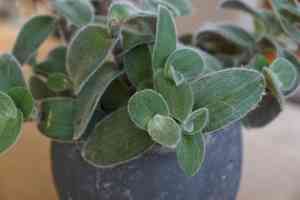
1
Transplanting your Small-leaf spiderwort in early spring allows it the full growing period to settle in.
2
Selecting the appropriate container size aids in preventing excessive moisture and promotes healthy root development.
3
An adequately draining soil blend is essential to avert root decay and other plant ailments.
The Importance of Repotting Your Small-leaf Spiderwort
Understanding the benefits of repotting for growth and vitality
Repotting your Small-leaf spiderwort is vital for its overall well-being and to stimulate vigorous development. By introducing fresh growing medium, you replenish the essential nutrients the plant needs to flourish. Furthermore, repotting provides an opportunity to prune and revitalize the root system, fostering healthier and more robust growth during its active period.
Recognizing indicators that your plant requires a new container
Several signs suggest your Small-leaf spiderwort might need to be repotted. Observe if roots are emerging from the drainage holes, if the root mass is dense, or if the soil dries out too quickly. If your plant seems stunted or shows signs of stress, these also indicate it might be time for a larger pot.
Selecting the Appropriate Pot and Growing Medium
Choosing a container that suits your plantâs size and type
When picking a new container for your Small-leaf spiderwort, ensure its dimensions are suitable for the plant's current size. Select a pot that is 2-5 cm (1-2 inches) wider in diameter than its present one. Confirm the new pot has adequate drainage openings to prevent water accumulation and subsequent root rot.
Ideal soil mixtures for the health of Small-leaf spiderwort
The perfect soil blend for your Small-leaf spiderwort allows for good drainage while retaining enough moisture to keep roots hydrated. A commercial potting mix enhanced with perlite or coarse sand is effective. This composition ensures proper aeration and prevents overly wet conditions, which can lead to root decay.
Steps for Repotting Small-leaf Spiderwort
Prepare your work area and gather necessary implements
Before commencing repotting, set up a clean workspace and collect all required tools, including your new pot, fresh soil mix, protective gloves, a small hand trowel, and pruning shears. Having everything prepared will streamline the process and enhance efficiency.
Gently remove the plant from its current container
To prevent root damage, lightly tap the sides of the existing pot and carefully extract the Small-leaf spiderwort from its vessel. If the plant is resistant, you can run a knife along the potâs rim to loosen the root ball. Handle the plant with care to minimize stress.
Inspect the root system for any health concerns
Once the plant is out, examine its roots for indications of health or distress. Healthy roots are typically pale or light brown and firm. Trim any dark, soft, or excessively long roots with clean pruning shears. This step helps prevent disease spread and encourages new, healthy growth.
Positioning and securing your plant in its new container
Place a layer of fresh soil at the bottom of the new pot. Center your Small-leaf spiderwort and fill in around the roots with the soil mix. Gently press the soil to eliminate air pockets, ensuring the plant is stable but not buried too deeply. The plant's base should sit just below the pot's edge.
Guidance for post-repotting care
Water your Small-leaf spiderwort sparingly immediately after repotting to help settle the soil. Position the plant in a spot with bright, indirect light and avoid direct sun exposure until it has adjusted. Keep the soil moist but not saturated, and refrain from fertilizing for at least a month to allow the plant time to recover.
Common Repotting Challenges
Managing severely root-bound conditions
If your Small-leaf spiderwort is significantly root-bound, you might observe a dense network of roots encircling the pot's interior. Carefully untangle the roots to promote outward growth. You may trim some of the excess roots if necessary, but exercise caution to avoid excessive damage.
Addressing and recovering from transplant shock
Transplant shock is a frequent occurrence after repotting, where your Small-leaf spiderwort may appear droopy or stressed. This is usually temporary as the plant adapts to its new surroundings. To aid recovery, maintain a stable environment for the plant and resist the urge to overwater. With proper care, it will rebound within a few weeks.



