Boost Growth: How and When to Repot Your Windmill palm Plant
1
The ideal period to transfer your Windmill palm to a new container for peak development is spring.
2
Select a container with a diameter 25-50% greater than its present one to allow for sufficient root spread.
3
Handle the roots with care to prevent stress and facilitate an easy adjustment.
Why Replant Your Windmill Palm?
Understanding the Growth Characteristics of Windmill Palm
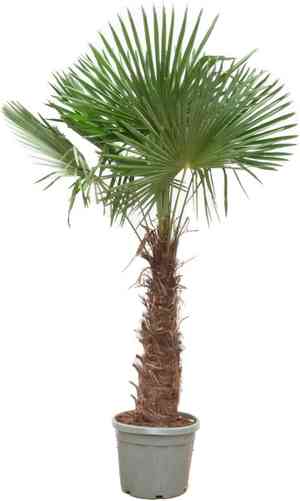
The Windmill palm (Trachycarpus fortunei) features a sturdy trunk and fan-shaped fronds. Typically, this palm can reach heights of 3-4 meters (10-13 feet) in a container, and its root system requires ample room to expand. Providing an appropriate pot size helps it flourish and maintain its impressive stature.
Indicators Suggesting the Need for Replanting
You might observe specific signs that your Windmill palm needs replanting. These include roots emerging from the drainage openings, slowed development, and the soil drying out rapidly after watering. Additionally, the presence of unhealthy yellowing fronds can be a clear signal.
Advantages of Replanting for Plant Vitality
Replanting offers numerous benefits for the Windmill palm. It supplies fresh soil rich in nutrients, facilitates improved water drainage, and grants the roots more room. These elements contribute to a healthier plant with more vigorous development and vibrant foliage.
When Is the Optimal Time to Replant?
Ideal Seasons for Replanting Windmill Palm
Spring is an excellent period to replant your Windmill palm. During this season, the plant enters its active growth phase, which aids in its swift recovery from any stress caused by replanting. The moderate temperatures and increased daylight hours promote optimal growth conditions.
Identifying Periods of Active Growth
Recognizing when your Windmill palm is in its active growth phase is crucial. You might notice new fronds appearing and a general surge in development. Choosing to replant during these phases ensures the plant can quickly adapt and benefit from the new soil and larger container.
Selecting the Appropriate Pot and Soil
Requirements for an Ideal Container
When choosing a container for your Windmill palm, ensure it is 25-50% larger in diameter than the current one. This allows for sufficient root expansion. The pot should also have drainage holes to prevent water accumulation, which can lead to root rot. Materials like terracotta or ceramic are preferred due to their breathability.
Best Soil Mixture for Windmill Palm
The Windmill palm thrives in a well-draining soil mixture. A blend of sandy soil, peat, and perlite is perfect. This mix ensures proper aeration and prevents water from collecting around the roots. Incorporating organic matter such as compost can boost nutrient content, fostering robust growth.
Step-by-Step Guide to Replanting
Preparation: Supplies and Arrangement
Begin by gathering all necessary supplies. You'll need a new pot, fresh potting mix, a trowel, and gloves. Place a layer of soil at the bottom of the new pot, ensuring the bottom drainage holes are not obstructed. Have everything prepared nearby to make the process smooth and efficient.
Removing the Windmill Palm From Its Current Container
Gently extract your Windmill palm from its current pot. Tilt the pot slightly and tap the sides to loosen the root ball. Carefully slide the plant out, supporting the base of the trunk. Avoid pulling the plant forcefully to minimize stress on the roots.
Transplanting into the New Container
Position your Windmill palm in the center of the new pot, placing the root ball on the layer of soil. Gradually add more soil around the sides, ensuring the trunk remains upright and centered. Gently press the soil to eliminate air pockets, but avoid compacting it too tightly.
Post-Replanting Care Advice
After replanting, water your Windmill palm thoroughly until water drains from the bottom. Place the plant in a location with bright, indirect light. Monitor the soil moisture levels closely, ensuring it stays lightly moist but not waterlogged. Within a few weeks, you'll observe the plant adjusting well and continuing its growth.



