Boost Growth: How and When to Repot Your Creeping thyme Plant
1
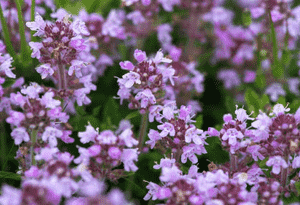
Creeping thyme flourishes in soil that drains effectively and receives abundant sun.
2
Transplant Creeping thyme during early spring or winter to encourage best development.
3
Confirm the fresh container is 2-3 inches (5-7 cm) wider across than its previous one.
Understanding the Optimal Time to Replant Creeping Thyme
Recognize indicators that your Creeping thyme requires transplanting
Transplanting Creeping thyme is crucial for its continued health and vigor. A primary sign your plant needs a new container is when roots emerge from the drainage holes. Another clue is if the plant appears waterlogged or dries out too quickly, suggesting the root system has filled most of the available space. Furthermore, if your Creeping thyme exhibits stunted development or yellowing foliage, these may indicate a need for more room and fresh substrate to supply nutrients.
Discuss the best periods for transplanting to ensure successful growth
For Creeping thyme, the ideal times to transplant are early spring and winter. Replanting in early spring allows the plant to benefit from the upcoming growth period, ensuring ample time and resources to establish itself in its new environment. Winter transplanting is also advantageous as it permits the plant to recover during its dormant phase, preparing it for robust growth in the spring. Avoid transplanting during the summer heat, as this can stress the plant and impede its recovery. Ensure the process is performed gently to prevent root damage and always water thoroughly after transplanting.
Choosing the Appropriate Container and Substrate for Creeping Thyme
Selecting the perfect pot size and material for replanting
When choosing a new container for your Creeping thyme, it's vital to pick one that is 2-3 inches (5-7 cm) wider in diameter than the current pot. This size provides sufficient room for root expansion without being excessively large, which can lead to overwatering and root rot. Terracotta pots are a good choice as they offer excellent drainage and air circulation, but any pot with adequate drainage holes will work. Ensure the new container complements your plant's aesthetic and your home's decor while meeting the practical needs of Creeping thyme.
Recommended soil mixtures and amendments for Creeping thyme
Creeping thyme thrives in well-draining, sandy or loamy soil. A suitable soil mix for transplanting could include a standard potting blend combined with perlite or sand to improve drainage. Incorporating organic matter like compost can boost soil fertility, providing essential nutrients for healthy development. Avoid heavy or clayey soils as these can retain too much moisture, leading to root rot. You might also consider adding a slow-release fertilizer to the mix, which can consistently deliver nutrients over an extended period.
Steps for Replanting Your Creeping Thyme
Preparing your Creeping thyme for transplanting
Before replanting, thoroughly water your Creeping thyme a day in advance to make the roots easier to manage. Gather all necessary tools, including the new pot, fresh soil mix, gloves, and a small trowel. Ensure your workspace is clean and well-lit, providing ample room to maneuver the plant without causing harm. Gently remove the plant from its current pot by tilting it sideways and tapping the pot's edges to loosen the root ball. Carefully inspect the roots and trim any that appear dead or decayed to encourage healthy growth.
Step-by-step procedure for moving to a new container
Place a layer of fresh soil mix at the bottom of the new pot.Position your Creeping thyme in the center of the new pot, ensuring it's at the same depth as it was in the old pot.Fill in around the root ball with additional soil mix, gently pressing down to eliminate air pockets but not compacting the soil too tightly.Water the plant thoroughly to help settle the soil and remove any remaining air pockets.Place the replanted specimen in a location with sufficient light and ensure it's protected from extreme temperature fluctuations.
Post-transplanting care advice for Creeping thyme
After replanting, your Creeping thyme will require extra attention to adapt to its new environment. Water the plant regularly, but ensure the soil does not remain saturated. Allow the top layer of soil to dry out between watering sessions. Position the plant in a sunny spot, ideally where it can receive at least 6 hours of sunlight daily. Monitor the plant for any signs of stress, such as wilting or discoloration of leaves, and adjust care as needed. Adding a thin layer of mulch on top of the soil can help retain moisture and regulate soil temperature. Lastly, avoid fertilizing immediately after replanting to prevent root burn; instead, wait a few weeks before applying a balanced fertilizer.



