Boost Growth: How and When to Repot Your Black bat flower Plant
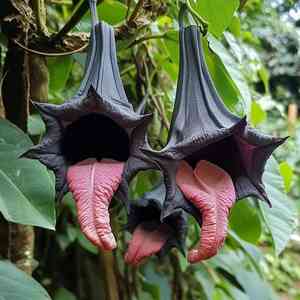
1
Black bat flowers are best repotted during spring and winter.
2
A slightly larger container aids in fostering robust development.
3
Root pruning during repotting can stimulate fresh root development.
Why Replant Your Black Bat Flower?
Understanding the growth pattern and root structure of the Black bat flower
The Black bat flower, recognized for its distinctive bat-shaped blossoms, exhibits a unique growth habit and root system. Grasping these traits is vital for successful replanting. This plant typically develops slowly but can form an extensive root network that requires ample room. Regular replanting helps accommodate this expansion, ensuring the plant has sufficient space to thrive.
Identifying indicators that suggest the need for replanting
Recognizing when your Black bat flower requires replanting is crucial for its well-being. Look for signs such as roots emerging from drainage holes, soil that dries out rapidly, and a reduced growth rate. These signals imply the plant has outgrown its container and needs more space to develop.
Advantages of consistent replanting for plant vitality and flowering
Consistently replanting your Black bat flower offers numerous benefits. It revitalizes the soil, supplying essential nutrients for robust growth and vibrant blooms. Furthermore, a larger container allows roots to spread, fostering overall plant vigor and preventing root-bound conditions, where roots tightly encircle the pot's interior.
Selecting the Right Supplies for Replanting
Choosing the appropriate container size and material
Selecting the correct container is vital for your Black bat flower's health. Opt for a pot one size larger than its current oneâapproximately 2.5 cm (1 inch) wider in diameter. Consider materials like terracotta or ceramic for good aeration, or plastic for better moisture retention.
Optimal soil mixture for Black bat flower
The ideal soil blend for the Black bat flower should drain well yet retain some moisture. A combination of standard potting mix with added perlite or orchid bark works effectively. This blend ensures roots aren't waterlogged, which can cause root rot, while still providing adequate hydration.
Essential tools for the replanting procedure
Prepare necessary tools before you begin replanting. You'll need gardening gloves, a hand trowel, pruning shears, and your chosen pot and soil mix. Having all equipment ready makes the process smoother and more efficient, allowing you to focus on handling your Black bat flower with care.
How to Replant the Black Bat Flower Step by Step
Preparing your workspace and materials
Begin by setting up a clean and spacious work area. Lay down newspaper or a plastic sheet to catch any spilled soil. Gather your suppliesâgloves, trowel, shears, new pot, and soil mixâso everything is easily accessible.
Gently removing the plant from its current container
Carefully turn the plant on its side and gently tap the pot to loosen the soil. Hold the plant's base and slowly ease it out. If roots are stuck, use a trowel to carefully separate them from the pot walls, taking care not to harm them.
Inspecting and trimming roots if necessary
Once the plant is out, examine the roots. Healthy roots are pale and firm. If you find any dark, soft sections, trim them away with clean pruning shears. Root trimming can encourage new growth, but be cautious not to remove too much.
Placing the plant in the new pot and adding growing medium
Position the plant in the new pot, ensuring it sits at the same depth as in the previous container. Add the soil mix around the roots, filling the pot to about 2.5 cm (1 inch) below the rim. Lightly press the soil to remove air pockets but avoid over-compacting it.
Final steps: Watering and post-replant care advice
After replanting, thoroughly water your Black bat flower to settle the soil. Place the plant in a spot with bright, indirect light. Avoid fertilizing immediately after replanting to prevent stressing the plant. Allow it to adjust to its new environment first.
Aftercare: Ensuring a Smooth Adjustment
Watering routines and light requirements following replanting
After replanting, modify your watering schedule. Keep the soil consistently moist but not saturated. Typically, watering once a week is sufficient, but this can vary based on the local climate. Ensure the plant receives bright, indirect light to aid its recovery and development.
Monitoring plant health for indications of stress
Closely observe your Black bat flower for signs of stress, such as yellowing foliage or wilting. These symptoms can point to issues like overwatering, insufficient light, or root shock. Address any problems promptly to ensure the plant adapts smoothly.
When to fertilize after replanting the Black bat flower
Wait approximately one month after replanting before resuming fertilization. Use a balanced, water-soluble fertilizer diluted to half strength. Fertilize every two to four weeks during the active growing season to promote healthy growth and flowering.



