Boost Growth: How and When to Repot Your Bird of paradise Plant
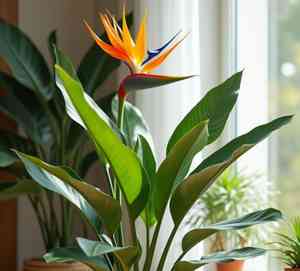
1
Replanting your Strelitzia is crucial every two to three years.
2
The best periods for transplanting are spring and winter.
3
Select a container that is 5-10 cm (2-4 inches) wider in diameter than its present one.
Why Replant Your Bird of Paradise?
Understanding the growth characteristics of Bird of Paradise
The Bird of Paradise is a striking plant known for its distinct, vibrant blooms resembling a bird in flight. This species can grow quite large, with foliage reaching up to 2 meters (6 feet) tall. Over time, the root system can become constricted and pot-bound, which can hinder development and reduce overall vitality. By comprehending its growth habits, you can better meet its requirements and ensure it flourishes in your home or garden.
Recognizing indicators that suggest it's time for a new pot
Several signs indicate it's time to replant your Bird of Paradise. If you observe roots emerging from drainage holes, the plant becoming top-heavy, or a decrease in growth despite consistent care, a new container is needed. Additionally, you might notice the soil drying out more rapidly than usual, which further suggests the roots require more room to expand.
Advantages of replanting for plant health and visual appeal
Replanting offers numerous benefits. It revitalizes the soil, providing roots access to fresh nutrients, and helps prevent root diseases linked to old, compacted substrate. Furthermore, replanting allows you to trim any damaged or diseased roots, thereby enhancing plant health. Aesthetic advantages are also significant; a new container can offer a cleaner, more attractive appearance to complement your interior decor.
When Is the Optimal Time to Replant Bird of Paradise?
Understanding seasonal impacts on replanting
Replanting is best performed during specific seasons to minimize plant stress and ensure ideal growth conditions. For the Bird of Paradise, both spring and winter are suitable periods. During these times, the plant is either in its active growth phase (spring) or in a dormant state (winter), making it easier for the plant to recover from the disruption caused by replanting.
The ideal periods of the year for replanting activities
While spring and winter are generally the best times to replant, it's crucial to balance timing with your plant's specific needs. A good guideline is to replant every 2-3 years. Ensure you avoid replanting during extreme temperature fluctuations or when the plant is blooming, as this can add unnecessary stress.
Selecting the Appropriate Pot and Soil for Bird of Paradise
Choosing a container that accommodates root development
Selecting the correct pot is vital for your Bird of Paradise's well-being. Look for a container that is 5-10 cm (2-4 inches) larger in diameter than the current one to allow for root expansion. Ensure the new pot has ample drainage holes to prevent waterlogging, which can lead to root rot.
The best soil blend for robust roots
Opt for a well-draining soil mixture to maintain your Bird of Paradise's health. A good blend might include standard potting soil combined with sand and perlite to enhance aeration and drainage. Avoid heavy or clay-based soils that can retain excessive moisture. Providing the right soil mix ensures the roots receive sufficient air and do not become waterlogged.
Step-by-Step Guide to Replanting Bird of Paradise
Preparing your work area and implements
Begin by preparing a workspace that can tolerate some mess, such as an outdoor spot or a surface covered with newspapers. Gather all necessary tools, including a new pot, fresh soil mix, gloves, a watering can, and any implements for loosening soil and pruning roots.
Safely extracting the plant from its old container
Carefully turn the pot on its side and gently tap the edges to loosen the soil. Hold the plant's base and gently pull it out. If the plant is stuck, you may need to use a tool to carefully dislodge it without harming the roots.
Inspecting and trimming the roots if required
Once the plant is out, examine the roots and trim any that are dead, damaged, or excessively long using clean scissors or pruning shears. Healthy roots should be white and firm. This step helps prevent disease and encourages new growth.
Positioning the plant in the new container
Place a layer of fresh soil at the bottom of the new pot. Position the Bird of Paradise in the center, then fill in around the roots with more soil mix, pressing lightly to eliminate air pockets. Ensure the plant is at the same soil level as it was in the old pot.
Post-replanting care recommendations
After replanting, water the plant thoroughly. Keep the plant in a shaded location for a few days to aid its recovery from the move. Resume your regular care routine, watering only when the top 2-3 cm (1 inch) of soil is dry. Monitor the plant for any signs of stress or shock.
Addressing Common Issues After Replanting
Managing watering problems and signs of distress
After replanting, you might observe some signs of stress such as wilting or yellowing leaves. Ensure you are not over-watering, as this can lead to root rot. Adjust your watering schedule to prevent waterlogging the roots.
How to identify and alleviate potential root shock
Root shock can occur after replanting, characterized by stunted growth or leaf drop. To lessen root shock, minimize root disturbance during replanting and place the plant in a stable environment with consistent humidity and temperature levels. Using a root stimulator can also help promote new root development.



