Boost Growth: How and When to Repot Your Stringy stonecrop Plant
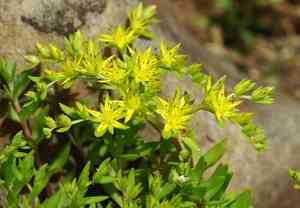
1
The best times to transplant Stringy stonecrop are during the spring and winter months.
2
Stringy stonecrop flourishes in soil blends that are gritty and drain effectively.
3
Select a container with a diameter 2-5 cm (1-2 inches) wider than its present one.
Why Replant Your Stringy stonecrop?
Understanding the Growth Cycle: When and Why Replanting Becomes Essential
Replanting your Stringy stonecrop is a vital step for its continued prosperity. This plant experiences significant growth periods during specific times of the year, especially in spring and winter. By replanting during these optimal periods, you provide your plant with a fresh environment for root expansion, thus promoting healthier development and reducing disease risk from old, compacted soil.
Indicators That Your Stringy stonecrop Requires a New Container
Several signs suggest your Stringy stonecrop might need replanting. Look for roots emerging from drainage holes, or if the plant appears to have outgrown its current pot. Other indicators include stunted development or water that pools on the surface during irrigation and takes a long time to absorb.
Selecting the Appropriate Container and Growing Medium
Choosing the Ideal Pot Size and Material for Stringy stonecrop
Selecting the correct pot for your Stringy stonecrop is crucial. Choose a pot that is 2-5 cm (1-2 inches) larger in diameter than its current one. Terracotta pots are excellent due to their good air circulation through the soil. However, plastic pots can also be effective if they have sufficient drainage holes.
Optimal Soil Mixtures for Robust Growth
For Stringy stonecrop, a well-draining soil mix is imperative. An ideal blend includes a combination of cactus soil and perlite or sand. This gritty mixture ensures that excess water drains quickly, preventing root rot and allowing the plant to flourish.
Step-by-Step Guide to Replanting Stringy stonecrop
Preparing the Work Area and Necessary Implements
Before you begin, gather all required tools such as a new pot, fresh soil mix, a small trowel, and gloves. Ensure your workspace is clean and offers ample room to easily manage the plant and soil.
How to Safely Remove Stringy stonecrop From Its Current Container
To remove your Stringy stonecrop from its current pot, gently squeeze the sides to loosen the soil. Carefully invert the pot while supporting the plant with your hand to allow it to slide out. Avoid pulling the plant by its stems to prevent damage.
Placement and Planting: Ensuring a Smooth Transition
Place a layer of fresh soil mix at the bottom of the new pot. Position the Stringy stonecrop in the center, ensuring the root ball sits just below the rim of the new pot. Fill in around the roots with more soil mix, gently pressing down to eliminate air pockets but not compacting the soil excessively.
Post-Care: Watering and Initial Upkeep After Replanting
Water the plant lightly after replanting to help settle the soil around the roots. Place the Stringy stonecrop in a bright but shaded area for the first few weeks to help it acclimate. Monitor the soil moisture and water as needed, but be careful to avoid overwatering during this critical adjustment period.
Common Difficulties in Replanting and How to Resolve Them
Addressing Root Rot, Pests, or Damaged Roots
One of the common difficulties in replanting is dealing with root rot or pests. If you encounter damaged roots, trim them with sterile scissors or a knife. For pests, rinsing the roots with water may help. If root rot is severe, consider applying a fungicide before replanting.
Advice for Minimizing Plant Stress During the Transition
To minimize stress on your Stringy stonecrop during the replanting process, handle the plant gently and avoid excessive root disturbance. Keep it in a stable environment regarding temperature and light during the initial recovery phase. Gradually reintroduce it to brighter light conditions to ensure it adapts smoothly.



