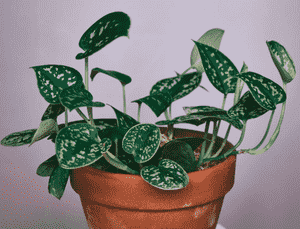
Boost Growth: How and When to Repot Your Satin pothos Plant
1
The best times to transfer Satin pothos to a new container are during spring and fall.
2
For robust development, a bigger container with effective drainage is crucial.
3
After transplanting, ensure correct irrigation and observe for any signs of distress.
Recognizing When Your Satin Pothos Needs a New Home
Indicators Your Satin Pothos Has Outgrown Its Container
Knowing when your Satin Pothos has exceeded the capacity of its current container is vital for its ongoing health and vigor. Key signals to observe include roots emerging from the drainage holes, the plant appearing top-heavy or leaning, and roots visibly crowding the soil surface. These signs suggest it's time for a more spacious dwelling for your plant.
Evaluating Your Plant's Condition
Prior to repotting, take a moment to assess the general well-being of your Satin Pothos. Healthy foliage should be vibrant and free from discoloration or drooping. Additionally, check for any pests or diseases that could complicate the repotting process. Ensuring your plant is in good health before transferring it to a new pot can minimize the stress typically associated with relocation.
Selecting the Appropriate Pot and Growing Medium for Satin Pothos
Choosing the Optimal Pot Dimensions and Material
The choice of pot can significantly influence the growth of your Satin Pothos. Select a container that is 2-5 cm (1-2 inches) larger in diameter than its current one to provide ample space for root expansion. Consider materials such as terracotta or plastic pots with sufficient drainage holes to prevent waterlogging.
Picking the Best Soil Blend
For prime growth, Satin Pothos thrives in a well-draining soil mixture. A combination of peat, perlite, and pine bark will provide the essential drainage and aeration. Additionally, consider utilizing a potting mix that incorporates organic matter to retain moisture without becoming oversaturated.
Repotting Your Satin Pothos: A Step-by-Step Procedure
Preparing Your Work Area and Tools
Begin by gathering all necessary items: a new pot, fresh potting mix, gardening gloves, a trowel, and a watering can. Select a workspace that can tolerate some mess and protect the surface with newspaper or a plastic sheet. Confirm your new pot has adequate drainage holes, as this is critical to prevent root rot.
Detailed Repotting Instructions
Start by gently extracting the Satin Pothos from its current pot. If there's resistance, tap the sides of the pot or try loosening the soil with a trowel. Once freed, inspect the root ball, trimming any dead or decaying roots. Place a layer of fresh soil in the new pot, center the plant, and fill the surrounding areas with soil. Pat down gently and ensure the plant rests at the same depth as in its previous container. Water the plant thoroughly to aid in settling the soil.
Post-Repotting Care Advice
Following repotting, position your Satin Pothos in a spot with bright, indirect illumination. Avoid exposing it to direct sunlight, which can scorch its leaves. Water your plant when the upper 2-3 cm (1 inch) of soil feels dry, and be careful not to overwater. Observe the plant for any indicators of stress such as wilting or yellowing leaves and adjust care as necessary.
Common Challenges After Repotting Satin Pothos
Identifying and Resolving Watering Problems
After repotting, your Satin Pothos may experience altered watering requirements. Excessive watering can lead to root rot, while insufficient watering might cause the leaves to droop. Ensure the top layer of soil dries out between watering sessions and reduce frequency if the plant exhibits signs of water stress.
Recognizing Stress Signals and Recovery Strategies
Repotting can sometimes stress your Satin Pothos, potentially causing leaf drop or yellowing. Keep the plant in a stable environment, maintain consistent watering, and consider using a diluted fertilizer to aid recovery. Allow your plant time to acclimatize to its new surroundings; with appropriate care, it will soon flourish.



