Boost Growth: How and When to Repot Your False christmas cactus Plant
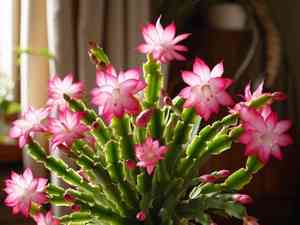
1
Optimal periods for transplanting your False Christmas Cactus are during spring and fall.
2
Refrain from excessive watering immediately post-repotting to protect against root decay.
3
Select a new container that is only slightly larger than its predecessor to encourage robust development.
The Importance of Repotting Your False Christmas Cactus
Understanding the False Christmas Cactus's growth cycle
The False Christmas Cactus, celebrated for its vibrant holiday blooms, possesses a distinct growth pattern. Unlike many plants, it doesn't adhere to a typical summer growth schedule. Instead, it thrives in cooler, dim conditions and often experiences active growth in spring and autumn. Recognizing this cycle is crucial for determining the ideal repotting times.
Recognizing indicators for repotting
Several cues signal that your False Christmas Cactus requires a new pot. These include roots emerging from drainage apertures, rapidly drying soil, or a general lack of development despite proper care. If these signs appear, it's wise to prepare for repotting.
Advantages of timely repotting for plant vitality
Repotting at the right time offers various benefits. It guarantees sufficient space for the plant's expansion, provides fresh growing medium with vital nutrients, and minimizes the risk of becoming root-bound. By repotting promptly, you encourage healthier growth and prolific blossoms.
Optimal Timing for Repotting
Seasonal considerations for repotting the False Christmas Cactus
The best periods to repot your False Christmas Cactus are during spring and autumn. In these seasons, the plant is either entering or exiting its active growth phases, which facilitates a smoother transition into a new container.
Ideal environmental conditions for repotting
Select a day with mild, not excessively humid, weather. Extreme temperatures can stress the plant, making it harder for the False Christmas Cactus to adjust to its new surroundings. A cloudy day is often preferred as it lessens the chance of sun exposure stressing the plant.
Selecting the Appropriate Pot and Growing Medium
Choosing an appropriate pot size and material
Opt for a pot that is only one size larger than its current container. For instance, if you are using a 15 cm (6 inches) pot, upgrade to a 20 cm (8 inches) pot. The pot's material also matters; terracotta pots offer excellent aeration, while plastic pots retain moisture for longer periods.
Recommended soil blends for False Christmas Cactus
A well-draining soil mix is vital for the False Christmas Cactus. An ideal blend would consist of one part potting soil, one part orchid bark, and one part perlite. This combination ensures good drainage while retaining necessary moisture.
The role of effective drainage in preventing root decay
Proper drainage is crucial to prevent root rot. Always ensure the pot has adequate drainage holes at the bottom. You can enhance drainage by placing small stones or broken pottery shards at the base before adding the soil mixture.
A Step-by-Step Repotting Guide for False Christmas Cactus
Carefully removing the plant from its current container
To extract the False Christmas Cactus from its pot, gently tip the pot sideways and tap its base. If needed, loosen the soil around the edges with a stick or spoon. Carefully slide the plant out, holding it by its base to prevent stem damage.
Inspecting and trimming roots as needed
Once the plant is removed, examine the roots for any indications of rot or disease. Use sterile scissors to prune any unhealthy roots. This is also an opportune moment to remove old or compressed soil clinging to the roots.
Positioning the plant in the new pot with fresh substrate
Fill the new pot with a layer of the soil mixture. Center the False Christmas Cactus and fill around it with more soil, ensuring the base of the stems remains at the same level as before. Gently press down the soil to eliminate any air pockets.
Post-repotting care tips for a smooth adjustment
After repotting, water the plant lightly to help settle the soil, but avoid saturating it. Place the False Christmas Cactus in a shaded spot for a few days to allow it to adjust. Gradually reintroduce it to its usual location, watching for any stress signals.
Common Errors to Avoid During Repotting
Excessive watering immediately after repotting
Overwatering is a frequent error that can lead to root rot. Following repotting, water sparingly until the plant has become established in its new container.
Utilizing an unsuitable soil blend for the False Christmas Cactus
Employing a soil mixture that retains too much moisture can be detrimental to the False Christmas Cactus. Ensure you use a well-draining mix to prevent waterlogged roots.
Disregarding root health during the repotting process
Failing to inspect and trim the roots during repotting can lead to persistent problems. Always dedicate time to examine the root system for rot or diseases.



