Boost Growth: How and When to Repot Your Black-eyed susan Plant
1
The best periods to repot Black-eyed Susans are during spring and winter.
2
Indications your Black-eyed Susan requires repotting are roots circling the pot and inhibited development.
3
Utilize a soil blend that drains effectively for optimal outcomes.
Why Is Transplanting Black-eyed Susan Essential?
Grasping the life cycle of Black-eyed Susan
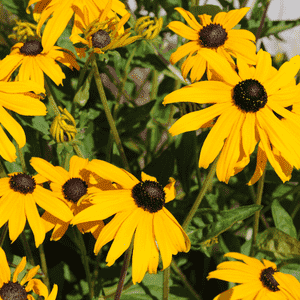
The Black-eyed Susan is a robust perennial recognized for its vibrant yellow petals and dark central disks. Throughout its life cycle, this plant expands, frequently outgrowing its pot. Transplanting facilitates this expansion, offering the roots the necessary room to extend, absorb nutrients, and flourish. Its most active growth phase occurs in spring, decelerating as the plant readies for winter dormancy.
Recognizing indicators that your plant requires a larger container
It's vital to identify when your Black-eyed Susan needs to be repotted. Primary signs include roots emerging from drainage openings, the plant drying out rapidly post-watering, and inhibited development. If your plant appears unbalanced or is toppling, it's a clear indication it requires more space to develop.
Selecting the Appropriate Container and Substrate for Black-eyed Susan
Elements to consider when picking a new container
When choosing a new container for your Black-eyed Susan, evaluate its dimensions and composition. The new pot should be 2-5 cm (1-2 inches) wider in diameter than the current one to allow ample growth. Materials such as ceramic and terracotta are excellent as they offer good absorption and air circulation. Confirm the pot has drainage holes to avert waterlogging, which can damage your plant's root system.
The optimal growing medium for flourishing Black-eyed Susans
For peak development, employ a soil mixture that drains effectively. A combination of garden soil, peat, and a small amount of perlite or sand is suitable. This blend guarantees that surplus water can escape while retaining sufficient moisture and nutrients for the plant. Incorporating compost can also enrich the soil, supplying extra nourishment.



