Boost Growth: How and When to Repot Your Evergreen azalea Plant
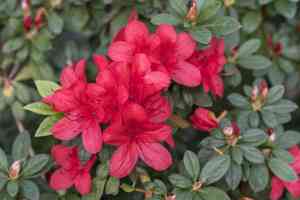
1
Your Evergreen azalea typically requires repotting every two to three years.
2
The best period to transplant your Evergreen azalea is in the spring or winter.
3
Select a container that is at least 2 inches (5 cm) larger in diameter than its present one.
Why Repot Your Evergreen azalea?
Understanding the advantages of transplanting for plant vitality and development.
Transplanting your Evergreen azalea can greatly enhance its overall health and growth. Over time, the potting medium loses vital nutrients, and the root system can become constricted, hindering the plant's capacity to absorb moisture and nourishment effectively. Repotting provides fresh, nutrient-rich soil and offers roots more space to expand, fostering healthier and more robust development. By repotting, you also get the chance to inspect and trim any damaged or diseased roots, ensuring your plant remains strong and flourishing.
Recognizing the indicators that your Evergreen azalea requires a new container.
Certain signs suggest it's time to consider transplanting your Evergreen azalea. If you observe roots emerging from the drainage holes, it signifies the plant is becoming root-bound. Another indicator is if water drains too rapidly or pools on the soil surface, implying the potting mix is no longer absorbing efficiently. Additionally, if the plant appears stressed, with yellowing foliage or reduced growth, it might be struggling in its current pot and could benefit from a fresh start.
Choosing the Right Pot and Soil
Selecting a container that complements the dimensions and aesthetic of your Evergreen azalea.
When choosing a new container for your Evergreen azalea, select one approximately 2 inches (5 cm) larger in diameter than the current pot. This provides ample room for root expansion without making the pot excessively large, which can lead to moisture retention problems. Terracotta pots are an excellent option due to their porous nature, allowing for improved aeration. However, any pot with adequate drainage holes will suffice. Ensure the pot enhances the visual appeal of your plant and your home or garden environment.
Identifying the optimal soil blend for ensuring vigorous development.
The soil mixture for your Evergreen azalea should be well-draining yet capable of retaining moisture to maintain proper hydration without becoming waterlogged. A blend of 50% peat moss, 25% pine bark, and 25% coarse sand or perlite works well for these acid-loving plants. This combination guarantees excellent aeration while providing the necessary acidity, as Evergreen azaleas thrive in soil with a pH range of 4.5 to 6.0. Avoid using standard garden soil, as it may be too dense and poorly draining for your plant.
Preparing for Repotting
Gathering the essential implements and supplies.
Before you begin repotting, collect all the tools and materials you'll need. You'll require the new pot, soil mix, gloves, a trowel, pruning shears, and a watering can. Having everything prepared beforehand streamlines the process and ensures you won't have to pause midway to retrieve missing items. Additionally, consider laying down a tarp or newspaper to catch any spilled soil and protect your work surface.
Steps to safely extract your Evergreen azalea from its current container.
To safely remove your Evergreen azalea from its current pot, start by gently tilting the pot on its side and tapping the edges to loosen the soil. Carefully grasp the plant's base and gently ease it out. If the plant is stuck, use a trowel to loosen the perimeter. Be careful not to pull too forcefully on the stem, as this can harm the plant. Once removed, gently shake off the old soil and trim any damaged or overgrown roots with pruning shears.
Repotting Your Evergreen azalea
How to position the plant and arrange the roots for optimal growth.
Place a layer of soil mix at the bottom of the new pot, ensuring it’s deep enough to position your Evergreen azalea at the same depth it was growing previously. Center the plant in the pot and gently spread out its roots to encourage outward growth. Fill in around the roots with the soil mix, pressing down lightly but firmly to eliminate air pockets. This helps to provide stability and support for the plant.
Filling the container and the correct method for watering after transplanting.
Continue to fill the pot with soil mix, leaving approximately 1 inch (2.5 cm) from the rim of the pot to allow for watering. After filling, thoroughly water the plant until water drains from the drainage holes. This initial watering helps to settle the soil around the roots and reduces transplant shock. Ensure the water drains well, and avoid leaving the pot in standing water, as Evergreen azaleas dislike soggy conditions.
Aftercare: Ensuring a Smooth Transition
Key advice on placement, irrigation, and fertilizing your newly repotted Evergreen azalea.
Place your repotted Evergreen azalea in a location that receives bright, indirect sunlight. Excessive direct sunlight can scorch the leaves, while insufficient light can impede leaf development. Water the plant moderately, keeping the soil consistently moist but not waterlogged. Use rainwater or distilled water if possible, as Evergreen azaleas are sensitive to tap water with high mineral content. Begin feeding with a diluted, balanced fertilizer after a few weeks to promote new growth.
Observing your plant for signs of stress and growth adjustments.
After repotting, closely monitor your Evergreen azalea for indications of stress or distress, such as wilting foliage or slowed development. It's normal for the plant to experience some adjustment period, but significant changes may point to issues with the new pot or soil. Keep an eye out for pests and diseases, and address any problems promptly. Regularly inspect the plant and modify care as needed to foster a smooth transition and encourage healthy growth.



