Boost Growth: How and When to Repot Your Mistletoe cactus Plant
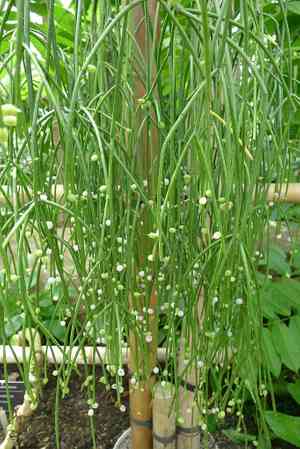
1
The optimal periods for transplanting your Mistletoe cactus are during the Spring and Fall seasons.
2
Mistletoe cactus thrives in a soil blend that drains effectively, which helps avoid root decay.
3
Select a container that is just a bit bigger than its present one to support robust development.
Why Replant Your Mistletoe cactus?
Understanding the Advantages: Improved Development and Vitality
Replanting your Mistletoe cactus is vital for its overall health. It enables the plant to access fresh nutrients and offers more room for root expansion, fostering healthier and more robust growth. Furthermore, replanting helps prevent root-bound conditions and potential diseases that can arise from old, depleted substrate.
Recognizing the Indicators That Itâs Time for a New Pot
Knowing when to re-pot your Mistletoe cactus is crucial for maintaining its well-being. Look for signs such as roots emerging from the drainage holes, soil that dries out faster than usual, and stunted development. These signals suggest that the plant has outgrown its current container and requires a new home.
Choosing the Right Time and Materials
Selecting the Optimal Season for Replanting
The best time to re-pot your Mistletoe cactus is during Spring or Autumn. These periods offer moderate temperatures and encourage new growth, making it simpler for the plant to adapt to its new surroundings. Avoid replanting during extreme weather, such as peak summer or winter, to minimize plant stress.
Essential Supplies Required for Replanting
To successfully re-pot your Mistletoe cactus, gather the following items: a pot slightly larger than the current one with drainage holes, a well-draining cactus or succulent potting mix, gloves to protect your hands, and a small trowel. Having these materials ready will ensure a smooth and efficient re-potting process.
Step-by-Step Guide to Replanting Your Mistletoe cactus
Step 1: Preparing the New Container and Soil Blend
Begin by choosing a pot that is approximately 2-5 centimeters (1-2 inches) wider in diameter than the current one. Fill it with a well-draining soil mixture, such as a blend of potting soil, perlite, and sand, ensuring it meets the cactusâs specific drainage requirements.
Step 2: Gently Removing the Plant from Its Current Vessel
Carefully extract the Mistletoe cactus from its current pot by gently tilting the pot and easing the plant out. If the plant is stuck, gently loosen the soil around the edges with a trowel or your fingers.
Step 3: Inspecting and Trimming the Root System
Once removed, examine the root system for any signs of decay or damage. Trim away any unhealthy or excessively long roots using clean, sharp scissors. This promotes healthy root development and prevents potential issues in the new pot.
Step 4: Positioning the Plant in the New Container
Place the Mistletoe cactus in the center of the new pot and fill in around the roots with the prepared soil mix. Ensure the plant is upright and stable, pressing the soil gently but firmly around the base to eliminate air pockets.
Step 5: Aftercare to Ensure Successful Adjustment
After replanting, give the Mistletoe cactus a light watering to settle the soil. Place it in a location with bright, indirect light, and avoid watering again until the topsoil is dry to the touch. This minimizes the risk of root rot and helps the plant adapt to its new environment.
Common Errors to Avoid When Replanting
Avoid Excessive Watering Immediately After Replanting
One of the most frequent errors after replanting is overwatering. The Mistletoe cactus needs time to adjust to its new pot and soil blend. Overwatering can cause root rot, so allow the soil to dry out between watering sessions to give the roots time to settle.
Choosing a Pot Thatâs Too Large or Too Small
Another critical aspect to consider is the size of the new pot. A pot that is too large retains excess moisture, leading to root rot, while a pot that is too small can restrict root growth. Aim for a pot that is only slightly larger than the current one to provide enough space for growth without overwhelming the plant.
Using an Inappropriate Soil Type That Doesnât Drain Well
It's essential to use a well-draining soil mix suitable for cacti and succulents. Regular potting soil retains too much moisture, which can be detrimental to the Mistletoe cactus. Opt for a specialized cactus or succulent mix that allows for proper drainage and prevents water-logged roots.



