Boost Growth: How and When to Repot Your Needle palm Plant
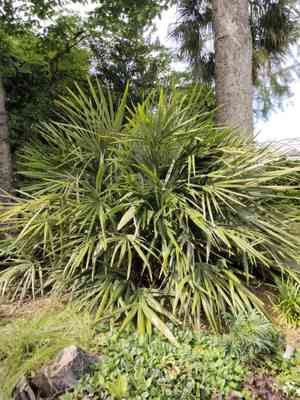
1
Transplanting in springtime enables your Needle palm to settle into its new container prior to its active growth period.
2
Select a container that is 2-3 inches (5-7 cm) wider than the existing one to provide ample space for root development.
3
Fresh potting mix ought to be fertile and drain effectively to sustain the plant's vitality.
Why Replant Your Needle Palm?
Promotes robust root development and prevents root constriction.
Replanting your Needle palm is vital for its well-being. When the plant outgrows its container, its roots can become constricted, hindering their expansion and nutrient absorption. A larger pot allows roots to spread freely, fostering a stronger, healthier plant.
Replenishes soil nutrient levels, boosting plant vigor.
Over time, the potting medium loses essential nutrients required for plant growth. Replanting offers a chance to refresh the soil, ensuring your Needle palm has access to the nourishment it needs to flourish. Fresh soil also enhances aeration and moisture retention.
Enables examination and treatment of root ailments.
Replanting provides an opportunity to assess root health. You can check for signs of root rot, pests, or diseases. Early detection allows for timely intervention, such as trimming affected roots or applying treatments, to maintain your Needle palm's overall health.
When Is the Ideal Time to Replant a Needle Palm?
In early spring, prior to the growth period.
The best time to replant your Needle palm is in early spring, just before its active growing season begins. Replanting at this time allows the plant to establish itself in the new container and fully benefit from the upcoming growth phase.
Indicators that your plant requires replanting: stunted growth, roots emerging.
Unsure if it's time to replant? Look for signs like slowed growth, roots protruding from drainage holes, or the plant becoming top-heavy and unstable in its current pot. These are clear signals your Needle palm needs more room to grow.
Selecting the Appropriate Pot for Your Needle Palm
Choosing a pot 2-3 inches larger than the current one.
When choosing a new pot, select one that is 2-3 inches (5-7 cm) wider in diameter than the existing pot. This size ensures ample root space without being excessively large, which could lead to overwatering and root rot.
Material considerations: benefits of terracotta and ceramic pots.
The pot's material is also important. Terracotta and ceramic pots are excellent choices for Needle palms due to their good breathability, which helps prevent root rot. They are also typically heavier, providing better stability for taller plants.
How to Replant a Needle Palm: Step-by-Step Guide
Preparing the new container and fresh potting mix.
Begin by preparing the new pot with a layer of fresh, well-draining potting mix at the bottom. Ensure the pot has adequate drainage holes to prevent water accumulation around the roots.
Carefully extracting the plant from its current container.
Gently remove your Needle palm from its current pot. You may need to tap the pot's sides or carefully slide a knife around the rim to loosen it if the roots are tightly bound.
Inspecting and pruning the roots as needed.
Once removed, examine the roots for any signs of disease or decay. Trim away any damaged or excessively long roots using clean, sharp shears. This will encourage healthier root development.
Positioning the plant in the new pot and filling with soil.
Place your Needle palm in the center of the new pot. Gradually fill around the roots with fresh soil, ensuring the plant is stable and upright. Gently firm the soil, but avoid over-compacting it, to maintain aeration.
Proper irrigation and location adjustment after replanting.
After replanting, water the plant thoroughly to settle the soil around the roots. Place your Needle palm in a location with suitable light and temperature conditions to help it adapt to its new pot.
Post-Replanting Care Tips for Your Newly Replanted Needle Palm
Watering routines and the initial watering after replanting.
Watering is critical after replanting. Water thoroughly immediately after replanting, then follow a consistent watering schedule, allowing the soil to dry out slightly between waterings to prevent root rot and overwatering.
Monitoring light and temperature conditions for optimal growth.
Closely observe the environmental conditions. Position your Needle palm in bright, indirect light and maintain a stable temperature. Avoid sudden temperature shifts or drafts, which can stress the plant.
When to resume regular fertilization.
Wait a few weeks before restarting a regular feeding schedule with a balanced fertilizer. This allows the plant time to adjust to its new pot and reduces the risk of fertilizer burn on the new roots.



