Boost Growth: How and When to Repot Your Emerald tree Plant
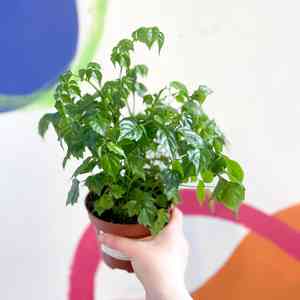
1
Repotting an Emerald tree is best done in Spring or Winter.
2
Select a pot with adequate drainage to avoid root rot.
3
A balanced soil mix can enhance your Emerald tree's health and development.
The Importance of Repotting Your Emerald Tree
Understanding the advantages of transplanting for root vitality and development
Transplanting your Emerald tree is crucial for its overall well-being and to ensure optimal development. When you move the tree to a new container, it provides the roots with additional space to expand. This is vital because roots that have outgrown their pot can become congested and intertwined, leading to stunted growth. Repotting introduces fresh soil, supplying new nutrients that the plant can absorb, enhancing its strength and vigor.
Indicators suggesting it's time for a new pot
How do you determine when your Emerald tree needs repotting? Several signs warrant attention. If you observe a significant slowdown in your tree's growth or if roots begin to emerge from the drainage holes, these are clear signals. Furthermore, if the soil dries out more rapidly than usual, it indicates that the roots have occupied most of the space, leaving little soil to retain moisture.
Selecting the Appropriate Container and Growing Medium
Considerations for choosing a new container
Choosing the correct pot is essential for your Emerald tree's health. Always pick a container that is 2-3 cm (1-1.5 inches) wider in diameter than the current one. This will provide ample room for root expansion without overwhelming the plant. Ensure the new pot has adequate drainage holes to prevent waterlogging, which can cause root decay. Regarding material, terracotta or ceramic pots are ideal as they allow better air circulation compared to plastic containers.
Optimal soil blends for Emerald trees
The Emerald tree thrives best in well-draining soil mixtures. A combination of peat, perlite, and a small amount of sand creates an ideal environment for root development. This blend ensures the tree receives necessary aeration while preventing water retention that can lead to root rot. If possible, look for a balanced houseplant soil mix that includes slow-release fertilizers to provide continuous nutrients to your tree.
Detailed Instructions for Repotting Your Emerald Tree
Preparing your work area and gathering necessary equipment
Before you begin, collect all required tools: a new pot, fresh soil mix, gloves, a small garden trowel, and water. Select a workspace with sufficient room to maneuver, and spread out newspapers or a plastic sheet to catch any spilled soil. Having everything prepared in advance ensures a smooth and efficient repotting process.
Safely extracting the plant from its previous container
Gently lay the Emerald tree on its side and carefully tap the pot's sides to loosen the soil. Support the plant's base and gently pull it out, taking care not to harm the roots. If the plant resists, try running a knife around the pot's edge to help break the pot-to-root adhesion.
Trimming roots and applying root enhancers, if needed
Before placing the tree in a new pot, thoroughly inspect the roots. Trim any dead or decaying roots with sterilized shears. If the roots are tightly coiled, gently untangle them to encourage better growth. You can also apply root stimulant or hormone powder to boost root development. This step ensures your plant will absorb nutrients more effectively.
Positioning the plant in its new container
Add a layer of soil to the bottom of the new pot. Center the Emerald tree and fill around the sides with soil, pressing gently to secure the plant upright. Ensure the tree's base is level. Lightly water the plant to help settle the soil and eliminate air pockets, but avoid saturating it.
Appropriate aftercare to promote growth following repotting
After repotting, place the Emerald tree in a location with ample indirect sunlight. Water it sparingly for the initial few weeks to allow the roots to acclimate to their new surroundings. Resume regular watering and feeding schedules once you observe new growth, typically after a few weeks. Monitor for pests and ensure there is no waterlogging.
Common Errors to Avoid During Repotting
Excessive watering immediately after transplanting
A frequent error is to overwater the Emerald tree right after repotting. Overwatering can lead to root rot as the new soil may still absorb water unevenly. Instead, water lightly and gradually increase as the plant adjusts.
Utilizing an unsuitable growing medium
Avoid using garden soil or overly dense soils that do not provide adequate drainage. A good soil mix should be well-draining to prevent root rot and supply appropriate nutrients.
Choosing a container that is either too large or too small
Selecting an appropriately sized pot is critical. A pot that is too large can lead to waterlogging as the soil retains excessive water. Conversely, a pot that is too small will restrict root growth and result in diminished plant health.



