Boost Growth: How and When to Repot Your Pomegranate Plant
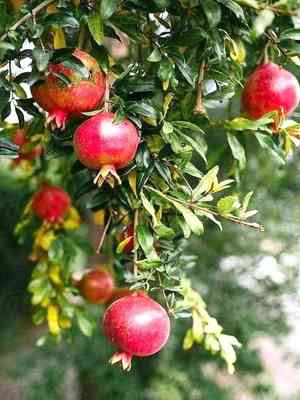
1
The optimal time to transplant a Pomegranate tree is typically in late winter or early spring.
2
A soil blend that drains effectively is vital for Pomegranate trees to avoid root decay.
3
Selecting a container that is a single size bigger than its present one is important to allow for root expansion.
Optimal Times for Pomegranate Repotting
Seasonal Guidance for Repotting
The ideal period for transplanting a Pomegranate tree is during late winter or early spring. These times are best because the tree is either dormant or just beginning new growth, which minimizes the stress and shock of relocation. Avoid repotting during peak summer heat or the coldest winter days, as extreme temperatures can hinder successful establishment.
Indicators Your Pomegranate Needs a Larger Container
Typical signs that your Pomegranate tree requires repotting include roots emerging from drainage openings, stunted development, and the shedding of older leaves. The plant might also appear top-heavy or become difficult to irrigate without spillage. If these indicators are present, it's a clear signal to provide your Pomegranate with a more spacious and refreshed environment.
Selecting the Right Container and Growing Medium for Your Pomegranate
Choosing the Correct Pot Size and Material
Opt for a container one size larger than its current one, ideally with a diameter 2.5 to 5 centimeters (1 to 2 inches) wider. This offers ample space for root expansion without overwhelming the plant. Ensure the pot has drainage holes to prevent water accumulation. Terracotta pots are an excellent choice as they promote better root aeration.
Ideal Soil Blend for Pomegranate Trees
A well-draining soil mixture is vital for Pomegranate trees to prevent root decay. A good blend consists of equal parts potting soil, coarse sand, and perlite or pumice. This combination ensures proper drainage while retaining sufficient moisture for the tree. You can also incorporate organic matter like compost to enrich the soil and supply necessary nutrients.
Detailed Instructions for Repotting Pomegranate
Preparing the Plant and New Container
Begin by watering your Pomegranate tree the day before repotting to lessen shock and facilitate removal. Prepare the new pot by filling it halfway with the chosen soil mix. Ensure all your tools, such as a trowel and pruning shears, are disinfected to prevent disease spread.
Safely Moving Your Pomegranate
Gently extract the Pomegranate tree from its current pot by tilting it sideways and sliding the tree out, supporting its base. If the roots are tightly coiled, you can carefully untangle them with your fingers. Position the tree in the new pot and backfill with soil, ensuring the tree is upright and at the same soil level as before.
Post-Repotting Care for Successful Adaptation
After repotting, thoroughly water the tree until water exits the drainage holes. Place the tree in a protected spot away from direct sunlight for a few days to help it adjust. Gradually reintroduce it to its usual light conditions. Monitor soil moisture and only water when the top 2.5 centimeters (1 inch) of soil feels dry.
Common Errors to Avoid When Repotting Pomegranate
Excessive Watering After Repotting
It's crucial to avoid overwatering your Pomegranate tree immediately after repotting. The roots are more vulnerable to rot during this period. Instead, maintain moderate moisture levels and ensure the pot has adequate drainage.
Using Unsuitable Soil or Container
Refrain from using heavy or poorly-draining soil, as well as pots lacking drainage holes. Both can lead to waterlogged roots and insufficient aeration, severely impacting your Pomegranate tree's health. Always use an appropriate soil mix and a pot with proper drainage.
Ignoring Root Trimming
When repotting, it's beneficial to trim tangled or overly long roots. Neglecting root pruning can hinder the tree's establishment in its new environment and may restrict nutrient absorption. Trim the roots lightly but avoid excessive cutting.



