Boost Growth: How and When to Repot Your Elephant bush Plant
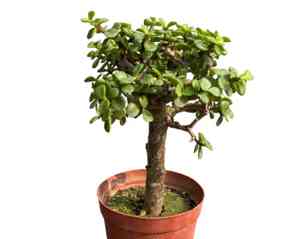
1
The Elephant bush, a succulent, needs very little water.
2
Repotting your Elephant bush is best done in Spring or Autumn to encourage healthy development.
3
Signs that indicate repotting is needed are roots showing through drainage holes or inhibited growth.
When to Replant Your Elephant Bush?
Recognizing indications of a crowded container
A primary indicator that your Elephant bush requires replanting is congestion. This typically manifests as roots emerging from the pot's drainage holes or a halt in plant growth despite consistent care. Another clear sign is when the soil dries out almost immediately after watering, as the roots have occupied all available space.
Understanding the Elephant bush's growth pattern
The Elephant bush is a slow-growing succulent, meaning it doesn't require frequent repotting. Generally, transplanting every 2-3 years is adequate. The plant prioritizes root development before visible growth, so even if the plant appears dormant, a thriving root system might need more room.
Optimal season for replanting to ensure best growth
Spring and Autumn are the ideal times to replant your Elephant bush. During these periods, the plant is either beginning or concluding its active growth phase. This timing allows the plant to establish itself in a new container and adapt to fresh substrate, promoting vigorous growth in the subsequent cycle.
Selecting the Appropriate Pot and Soil for Your Elephant Bush
Choosing the correct pot size and material
Selecting the right pot is vital for your Elephant bush's health. A pot only one size larger than the current one is perfect, as excessive space can lead to overwatering and root decay. Additionally, opting for pots made of breathable materials like terracotta can help regulate moisture levels, which is crucial for succulents.
The importance of well-draining substrate
Well-draining soil is essential for the Elephant bush to prevent waterlogging and root rot. A cactus or succulent mix performs best. You can also create your own blend by combining standard potting soil with sand or perlite to enhance drainage.
Adding nutrients and fertilizers to the mixture
While the Elephant bush isn't a heavy feeder, incorporating a balanced, slow-release fertilizer during repotting can supply vital nutrients. Look for a fertilizer specifically formulated for succulents, and avoid over-fertilizing, as it can cause more harm than good.
Detailed Guide to Replanting Your Elephant Bush
Safely removing the plant from its current container
Begin by lightly watering the plant to facilitate removal. Gently tilt the pot and tap its sides to loosen the soil. Carefully grasp the plant's base and pull it out, ensuring minimal disturbance to the roots.
Inspecting and treating the roots as needed
Once removed, examine the roots for any indications of rot or damage. Trim any unhealthy roots with sterilized shears. If the plant appears excessively root-bound, gently separate the roots to encourage healthy growth in the new pot.
Positioning and securing the Elephant bush in its new location
Place a layer of fresh soil at the bottom of the new pot. Center the Elephant bush in the pot and gradually fill around it with more soil, pressing lightly to eliminate air pockets. Ensure the plant is stable but not too constricted in the pot.
Post-replanting care recommendations
After repotting, place the Elephant bush in a shaded area for a few days to minimize transplant shock. Water sparingly, allowing the soil to completely dry out between watering sessions. Gradually reintroduce the plant to its usual light conditions.



