Boost Growth: How and When to Repot Your Ming aralia Plant
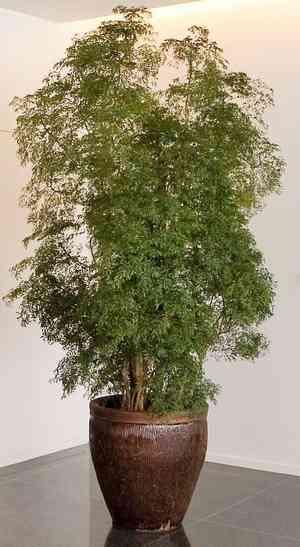
1
The optimal time for repotting your Ming aralia is typically early spring, ensuring prime growth conditions.
2
When transplanting, select a pot that is 2-4 inches (5-10 cm) wider in diameter than its current container.
3
Ming aralia flourishes in a potting blend that drains effectively yet retains some moisture without becoming waterlogged.
Why Replant Your Ming aralia?
To foster improved development and vitality
Transplanting your Ming aralia is vital for its ongoing health and expansion. As plants mature, they deplete soil nutrients, which can hinder their growth. By moving your Ming aralia to a fresh environment with new, nutrient-rich soil, you supply it with the essential elements needed to flourish. New soil also enhances aeration, allowing roots to respire more effectively.
To revitalize the growing medium and nutrient content
Over time, the substrate in your plant's container can become dense and lose its capacity to hold moisture and drain properly. This means crucial nutrients may become less accessible to your plant. Repotting helps to refresh the soil, ensuring your Ming aralia has access to the nutrients required for healthy development. This process also aids in removing any potential accumulation of salts and minerals that could harm your plant.
To manage root congestion and provide room
As your Ming aralia grows, its roots can exceed the confines of their container, becoming root-bound. This condition causes roots to encircle the pot, which can constrict the plant and impede its ability to absorb water and nutrients. Repotting allows you to control root expansion, prune any constricted roots, and give your plant the necessary space for continued healthy progression.
When Is the Optimal Time to Replant Ming aralia?
Early spring for peak development
The ideal period to repot your Ming aralia is early spring. This season is marked by significant natural growth activity, making it a perfect chance for the plant to quickly recover from the repotting process and establish itself in the new substrate. During this time, the plant is ready to fully benefit from the improved conditions provided by the fresh potting mix.
Indicators suggesting it's time for replanting
Beyond seasonal timing, several signs indicate it's time to repot your Ming aralia. Look for symptoms such as sluggish growth, roots emerging from drainage holes, yellowing foliage, or the plant easily tipping over due to being root-bound. These signs suggest the plant has outgrown its current container and requires a larger space to continue thriving.
Selecting the Appropriate Container and Substrate for Ming aralia
Choosing a suitably sized container
When selecting a new pot for your Ming aralia, choose one that is approximately 2-4 inches (5-10 cm) larger in diameter than the current pot. This size allows roots to expand comfortably without creating an environment that retains too much moisture, which can lead to root rot. Ensure the new pot has drainage holes to allow excess water to escape.
Best substrate types for Ming aralia
The Ming aralia prefers a well-draining potting mixture. You can use a standard houseplant blend and enhance it with perlite or sand to improve drainage. This combination helps the soil retain essential moisture without becoming waterlogged, which is crucial for preventing root rot. Alternatively, a blend of peat, pine bark, and coarse sand also works effectively.
Step-by-Step Guide to Replanting Ming aralia
Preparing the new container and substrate
Begin by preparing your new pot. Place a layer of fresh potting mix at the bottom of the pot to create a bed for the roots. This initial layer should be about 2 inches (5 cm) thick. Ensure that the drainage holes at the bottom of the pot are not obstructed.
Gently removing the plant from its old container
Extract the Ming aralia from its current pot by carefully grasping the base of the plant and tilting the pot on its side. If the plant is resistant, you can tap the sides of the pot to loosen the soil and roots. Be cautious not to harm the delicate root system during this process.
Examining and pruning roots if necessary
Once the plant is out of the pot, inspect the root ball. Look for any indications of root rot, which appear as dark, soft roots. Trim these away with sterilized shears. If the roots are circling around the base, gently untangle them to encourage new growth.
Positioning in the new container and soil settling
Place your Ming aralia in the center of the new pot and fill in around the root ball with fresh potting mix. Gently press the soil down to eliminate any air pockets but be careful not to compact it too much. Water the plant thoroughly to help the soil settle.
Post-replanting care
After repotting, position your Ming aralia in a spot with bright, indirect light. Keep the soil consistently moist but not saturated, and avoid fertilizing for the first month to allow the plant to adapt to its new surroundings. Monitor the plant for any signs of distress and adjust care as needed.



