Boost Growth: How and When to Repot Your Swedish ivy Plant
1
Swedish ivy flourishes when transplanted in the initial part of spring.
2
Employing a potting medium that drains effectively is vital for your Swedish ivy's well-being.
3
Transplanting aids in averting root decay and encourages robust development.
Why Replant Your Swedish Ivy?
Understanding the growth of Swedish ivy
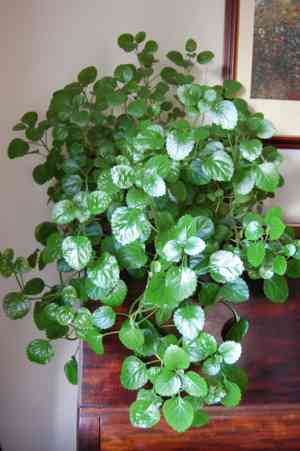
Swedish ivy is a popular indoor plant recognized for its trailing stems and round, shiny foliage. This plant grows quite fast, often leading to its root system outgrowing its container. A restricted root system can hinder the plant's ability to absorb nutrients and water, which can negatively impact its vitality. Knowing the growth habits of Swedish ivy will help you identify when it's time for a larger pot and fresh soil.
Signs that indicate your Swedish ivy needs replanting
Several indicators may suggest that your Swedish ivy requires replanting. Firstly, you might observe roots emerging through the pot's drainage holes. Secondly, the plant may show stunted development despite consistent care, as the roots lack room to expand. Another sign is yellowing foliage, which can point to poor root health due to cramped conditions. Finally, water may quickly pass through the pot, as compacted soil or root-bound states prevent proper absorption.
Benefits of replanting for plant health
Replanting your Swedish ivy offers numerous advantages that contribute to its overall well-being. A new potting mixture replenishes vital nutrients, fostering vigorous development and vibrant leaves. Additionally, replanting helps prevent root rot by enhancing drainage, thanks to a more suitable soil blend and container with adequate drainage openings. It also provides roots the necessary space to grow and spread, resulting in a more robust and resilient plant.
Preparing to Replant Your Swedish Ivy
Choosing the right pot and potting mix
When selecting a new container for your Swedish ivy, it's crucial to pick one that is slightly bigger than the current pot but not excessively large, as this can lead to overwatering problems. An increase in pot size of approximately 2-5 centimeters (1-2 inches) in diameter is usually sufficient. Furthermore, ensure the new pot has drainage holes to prevent water from collecting at the bottom. For the potting medium, a well-draining blend is essential. A mix specifically formulated for houseplants, often containing a combination of peat, perlite, and vermiculite, works effectively.
Necessary tools for replanting
Before you start, gather all the required tools to make the replanting process smooth and efficient. These may include a new pot, potting medium, a small trowel or spade, gloves, a watering can, and pruning shears. These basic items will help you handle the plant gently, trim any unhealthy roots, and settle it into its new home without stress or damage.
Best time of the year for replanting
The ideal time to replant your Swedish ivy is during early spring. This timing aligns with the plant's active growth period, allowing it to recover quickly from the replanting process. During early spring, the days get longer and the plant's growth hormones are most active, which helps the roots establish more efficiently in the new soil and container.
How to Replant Swedish Ivy: Step-by-Step
Removing the plant safely from its current pot
To begin, gently tap the sides of the container to loosen the soil and roots. Tilt the pot slightly and carefully slide the plant out, supporting the root ball with your hand. If the plant is root-bound and difficult to extract, you can carefully use a small spade or knife to loosen the edges. Avoid pulling on the stems to prevent harm.
Examining and trimming the roots if necessary
Once the plant is out of the pot, inspect the roots for any indications of rot, disease, or excessive growth. Healthy roots should be white or light tan. If you observe dark, mushy roots, trim them away with clean pruning shears. If the roots are tightly packed and circling the root ball, gently untangle and trim a few of them to encourage better root development in the new pot.
Placing Swedish ivy in the new pot
Add a layer of fresh potting mix to the bottom of the new pot, forming a small mound in the center for the plant to rest on. Position the Swedish ivy in the middle of the pot, ensuring the top of the root ball is about 2.5 centimeters (1 inch) below the pot's rim. This space allows for watering without overflow. Begin filling around the sides with potting mix, gently pressing down to eliminate air pockets.
Proper soil placement and watering post-replanting
Once the Swedish ivy is secured in its new pot, add more potting mix to completely cover the roots. Be careful not to bury the plant's stem base. Water the plant thoroughly to settle the soil and help the roots adjust. Ensure water drains out from the bottom of the pot, confirming no stagnant water remains. This initial watering is crucial to help the plant acclimate to its new surroundings.
Aftercare for Your Newly Replanted Swedish Ivy
Immediate care steps following replanting
After replanting, place your Swedish ivy in a spot with bright, indirect light. Direct sunlight can be too harsh and stress the plant. Maintain a consistent watering schedule, keeping the soil uniformly moist but not waterlogged. Avoid fertilizing immediately after replanting, as the fresh potting mix already contains nutrients.
Monitoring your Swedish ivy during the adjustment period
Keep a close watch on your plant for the first few weeks after replanting. Look for signs of stress such as wilting, yellowing leaves, or stagnant growth, which may indicate issues with the new potting environment. Adjust watering and light conditions if necessary to help the plant settle in.
Long-term maintenance tips
For long-term success, regularly check the soil moisture and water your Swedish ivy when the top 2.5-5 centimeters (1-2 inches) of soil are dry. Provide monthly feedings with a balanced, water-soluble fertilizer during the growing season. Prune the plant to maintain its shape and encourage bushier growth. Regular replanting every 1-2 years in early spring will keep your Swedish ivy healthy and thriving.



