Boost Growth: How and When to Repot Your Elkhorn fern Plant
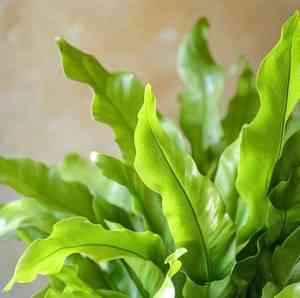
1
Optimal repotting period: Spring and Winter present the best opportunities for relocating Elkhorn ferns.
2
Preferred growing medium: Utilize an aerated blend, like a mix of orchid bark and peat moss.
3
Prevent excessive watering: Following the repotting process, refrain from over-saturating the soil; misting is better while the plant acclimates.
Recognizing When Your Elkhorn Fern Needs Repotting
Indicators that your Elkhorn fern requires a new container
Transplanting your cherished Elkhorn fern can seem intimidating, but identifying the correct signals simplifies the task considerably. If your fern is root-bound, meaning its roots are tightly coiled and intertwined, it's a clear sign for a larger pot. Another indicator is poor water retention; if water drains too quickly, it suggests degraded soil. Furthermore, if you notice slowed growth or roots emerging from drainage holes, your fern clearly needs more room to flourish.
The optimal period for relocating your Elkhorn fern
Selecting the appropriate season to repot your Elkhorn fern is vital for a successful move. Spring and Winter are the best times for repotting. These seasons offer mild temperatures, which reduce plant stress and encourage steady recovery and development. During these periods, your fern is not in its active growth phase, allowing it to adapt to its new environment with minimal shock.
Selecting the Right Container and Growing Medium for Your Elkhorn Fern
Choosing the perfect pot size and materials
When picking a pot for your Elkhorn fern, both size and material are important. Select a pot that is 2-5 centimeters (1-2 inches) wider in diameter than its current one. This provides adequate space for new root development without overwhelming the plant. Terracotta pots are highly recommended for their superior air and moisture circulation. If used indoors, always ensure the pot has drainage holes to prevent water accumulation.
Crafting the ideal soil blend for Elkhorn ferns
A suitable soil mix is fundamental for your Elkhorn fern's health. An excellent draining mixture that mimics the fern's natural habitat is perfect. Combine orchid bark, sphagnum moss, and a small quantity of standard potting mix. This combination offers superb drainage while maintaining the right level of moisture. You can also incorporate perlite or charcoal to enhance aeration and prevent the mix from becoming too dense.
Detailed Instructions for Repotting Your Elkhorn Fern
Gently extracting your Elkhorn fern from its current container
Begin by carefully removing your Elkhorn fern from its existing pot. Gently tilt the pot on its side and support the fern's base as you slide it out. If it resists, carefully loosen the edges with a dull knife or lightly squeeze the pot's sides. The key is to be gentle to avoid root damage.
Inspecting and trimming roots as needed
Once unpotted, examine the root ball. Use sterilized scissors to remove any dead or decaying roots. If the roots are excessively dense, you can carefully untangle them. Trimming about a quarter of the root system can stimulate fresh growth and help the plant adjust better to its new setting.
Placing your Elkhorn fern in the new pot and adding growing medium
Place a layer of your prepared soil mix at the base of the new pot. Center the Elkhorn fern, then gradually fill in the remaining soil mix around it. Ensure the plant is upright and positioned at the same depth as in its previous pot. Lightly press the soil to remove air pockets without over-compacting it.
Appropriate follow-up care for a successful transition
Post-repotting, proper aftercare is crucial. Position your fern in a shaded, humid spot to minimize shock. Instead of heavy watering, choose to mist the leaves and soil surface to keep them hydrated. Gradually resume your normal watering schedule once you observe new growth, signaling the plant has acclimated to its new container.
Common Errors to Avoid When Repotting Elkhorn Ferns
Excessive watering immediately after repotting
A frequent mistake after repotting is overwatering. Elkhorn ferns are prone to root rot, so it's best to keep the soil slightly damp and lean towards misting initially. Always ensure the pot has adequate drainage to prevent water from accumulating at the bottom.
Using an unsuitable soil mixture
Avoid heavy, dense soils that retain too much moisture. An incorrect soil mixture can suffocate the roots and lead to poor plant health. Stick to a well-draining blend of orchid bark, sphagnum moss, and potting mix for optimal results.
Neglecting post-transplant care
Another common oversight is neglecting the plant after the repotting process. Proper aftercare is vital for the fern's continued vigor. Regularly check moisture levels, mist the plant, and keep it out of direct sunlight until it begins to show new growth. Patience and consistent care are essential for a smooth transition.



