Boost Growth: How and When to Repot Your Japanese pieris Plant
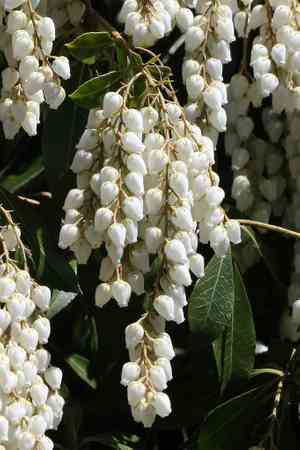
1
Japanese pieris flourishes in well-draining, acidic ground.
2
The best period for transplanting Japanese pieris is during spring or late winter.
3
Refrain from excessive watering post-repotting to avert root decay.
When to Replant Your Japanese Pieris?
Recognize indicators that your Japanese pieris needs a new pot
Replanting a Japanese pieris demands careful observation to spot specific cues. Look for roots emerging from drainage openings or becoming pot-bound, where roots are densely packed, encircling the container. Other signs include slowed development, yellowing foliage, and inadequate water retention.
Optimal period of the year for transplanting Japanese pieris
The best time to move your Japanese pieris is during spring or late winter. This timing is perfect because the plant is transitioning from dormancy to an active growth phase, which minimizes stress and helps it quickly settle into its new container.
Selecting the Appropriate Container and Growing Medium for Japanese Pieris
Choosing the correct pot size and material
Picking the right container is vital for your Japanese pieris's well-being. A pot 2â5 centimeters (1â2 inches) wider in diameter than its current one is generally a good choice. Materials like ceramic or terracotta are recommended for their breathability, which helps prevent root decay.
The ideal soil mixture for Japanese pieris
The Japanese pieris prefers acidic soil with excellent drainage. A perfect blend would include portions of peat, perlite, and garden soil. Consider adding organic matter like pine bark or leaf mold to maintain the acidic pH level. Steer clear of heavy soils that retain too much moisture.
Detailed Instructions for Replanting Japanese Pieris
Preparing your Japanese pieris for transplanting
Begin by thoroughly watering the plant a day before repotting. This helps reduce transplant shock and makes it easier to remove the plant from its current pot. Prepare your new pot with the soil mix beforehand.
Steps for extracting Japanese pieris from its previous container
Gently hold the plant's base and tilt the pot sideways. Lightly tap the sides to loosen the soil and roots. Once loose, carefully slide the plant out, being careful not to pull on the stems.
How to position and secure Japanese pieris in its new pot
Place a layer of soil at the bottom of the new pot. Position the root ball in the center, ensuring it sits at the same level as it was in the old pot. Fill in around the root ball with additional soil, gently pressing down to remove air pockets.
Post-transplant care advice
Water the plant sparingly right after repotting to settle the soil. Place it in a shaded area for a few days, gradually introducing it to more light. Avoid fertilizing immediately; wait at least 4-6 weeks to allow the plant to acclimate.
Common Errors to Avoid When Replanting Japanese Pieris
Excessive watering after transplanting
One of the most frequent errors is overwatering, which can lead to root rot. Ensure the soil is uniformly moist but not waterlogged. Allow the top layer to dry out slightly before the next watering.
Using a container without drainage openings
Always ensure your pot has drainage holes to prevent water from accumulating at the bottom. Poor drainage can lead to waterlogging, which is detrimental to the root system and overall health of your Japanese pieris.



