Boost Growth: How and When to Repot Your Pygmy date palm Plant
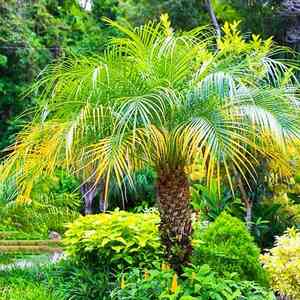
1
Transplanting your Pygmy date palm in springtime promotes improved development and recuperation.
2
The ideal container size ought to be 2-3 inches (5-7.5 cm) wider in diameter than its present pot.
3
Proper drainage is essential to avoid root decay and encourage robust development.
Determining the Optimal Time to Replant Your Pygmy Date Palm
Recognize indications of root congestion
Prior to deciding on a repotting, search for clues that your Pygmy date palm has outgrown its current container. If you observe roots emerging from drainage openings or coiling densely within the pot, it's time to consider a larger home. Root congestion can impede the plant's development and overall vitality.
Notice alterations in plant development and health
Beyond root congestion, stunted development or a decline in your Pygmy date palm's health can signal a need for replanting. If your plant's foliage is yellowing or it's not producing new fronds, repotting can offer the space and nutrients vital for rejuvenation.
Consider the season and its effects
Spring is the perfect period to replant your Pygmy date palm. The plant is entering its active growth phase, making it better equipped to endure the transplanting process and recover swiftly. Repotting during this season promotes vigorous growth and minimizes stress.
Selecting the Appropriate Container and Substrate for Your Pygmy Date Palm
Choosing a pot size and material
When selecting a new container, aim for one approximately 2-3 inches (5-7.5 cm) wider in diameter than the existing pot. This provides ample space for root expansion without overwhelming the plant. Terracotta pots are excellent for promoting air circulation but can dry out faster, whereas plastic pots retain moisture.
Significance of proper drainage
Effective drainage is crucial to prevent waterlogging, which can lead to root rot. Ensure your pot has multiple drainage holes to facilitate proper water flow. You can also add a layer of coarse material at the bottom to improve drainage.
Choosing the correct soil mixture
A well-draining soil blend is essential for the Pygmy date palm. Look for a palm or cactus mix that offers good aeration and drainage. You can also formulate your own mix using 60% peat moss, 20% perlite, and 20% sand to ensure ideal growth conditions.
Detailed Instructions for Replanting Your Pygmy Date Palm
Prepare your supplies and work area
Gather all necessary items before you begin. You'll need a new container, fresh potting mix, a small hand spade, and protective gloves. Set up your work area in a well-ventilated space to maintain cleanliness.
Carefully extract the plant from its current container
Gently tap the sides of the current pot to loosen the soil. Carefully tilt the pot and slide the Pygmy date palm out, supporting the base of the plant. Avoid pulling on the stem to prevent damage.
Examine and prune the roots if required
Once removed from the pot, inspect the roots. Trim any that are decayed, excessively long, or tightly circling. Use sterilized shears or pruners to make clean cuts and avoid introducing pathogens.
Place in new pot with fresh substrate
Position the plant in the new container, ensuring it's centered and at the appropriate depth. Gradually add fresh soil around the roots, pressing it down gently to eliminate air pockets. Ensure the soil level is slightly below the pot's rim to prevent overflow during watering.
Water sufficiently and manage post-repotting care
After replanting, give your Pygmy date palm a thorough watering to settle the soil and hydrate the plant. Monitor the moisture level closely over the next few weeks, ensuring the soil remains slightly damp but not waterlogged. Reduce watering frequency as the plant stabilizes.
Nurturing Your Pygmy Date Palm After Replanting
Monitoring hydration requirements in the initial weeks
In the weeks following repotting, your Pygmy date palm will demand careful attention to its water needs. Keep the soil consistently moist but avoid overwatering, as the roots are delicate and require time to adjust.
Observing for indications of distress
Keep a close watch on your plant for any signs of stress, such as wilting, yellowing foliage, or sluggish growth. Prompt intervention, like adjusting water levels or light conditions, can help alleviate these issues.
Adjusting placement to ensure adequate illumination
Ensure your Pygmy date palm receives sufficient, indirect sunlight. Too much direct light can scorch the leaves, while too little can impede growth. Adjust its location accordingly to find the optimal lighting conditions.



