Boost Growth: How and When to Repot Your Canary island date palm Plant
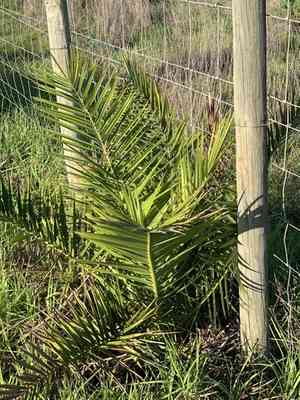
1
Transplanting your Canary Island date palm in spring guarantees ideal growth circumstances.
2
Employ a soil blend that drains effectively, formulated for palms, to avert root decay.
3
A container that is somewhat larger, roughly 2-3 inches (5-7.5 cm) wider than its present one, offers sufficient space for development.
The Importance of Repotting Your Canary Island Date Palm
Understanding the advantages of repotting for improved plant health
Repotting your Canary Island date palm is crucial for its overall well-being and development. Over time, the plant's root system becomes constrained within its container, hindering its capacity to absorb nutrients and water effectively. By transferring it to a new pot, you provide fresh growing medium, which is nutrient-rich and enhances root aeration. This process aids in fostering vigorous growth, better foliage, and a more robust root structure.
Identifying indicators that your Canary Island date palm requires a larger container
Several cues suggest it's time to rehouse your Canary Island date palm. If you observe roots emerging from the drainage openings, or the plant becoming top-heavy and leaning, a new pot is due. Furthermore, if the soil dries out rapidly after irrigation, or you notice stunted development and yellowing leaves, these are clear signs your palm needs more room and fresh substrate to flourish.
Optimal Times for Repotting Your Canary Island Date Palm
Ideal seasons for successful repotting and establishment
The best period to repot your Canary Island date palm is during spring. This season offers the most favorable conditions for the palm to recuperate and settle into its new container. With increasing daylight and moderate temperatures, spring encourages active growth, enabling the plant to adapt more quickly to its new surroundings compared to other times of the year.
Recommended frequency for repotting your palm
Ideally, you should transplant your Canary Island date palm every 2-3 years. However, this timeframe may vary based on the plant's growth rate and the pot's dimensions. Younger palms tend to outgrow their containers faster and might require more frequent repotting, while mature palms in large vessels might only need rehousing every 4-5 years.
Choosing the Right Pot and Growing Medium
Selecting the appropriate pot size and material for optimal development
Choosing the correct pot size is vital for your Canary Island date palm's health. Opt for a container that is 2-3 inches (5-7.5 cm) wider in diameter than its current one. This ensures ample space for root expansion without overwhelming the plant. Additionally, select a pot with drainage holes to prevent waterlogging and root decay. Materials like terracotta or ceramic are excellent choices as they offer stability and breathability.
The best soil blend for Canary Island date palm vitality and drainage
A well-draining soil mixture is essential for your Canary Island date palm's health. Utilize a palm-specific potting mix or create your own by combining equal parts potting soil, perlite, and coarse sand. This combination ensures proper drainage and aeration, preventing water from accumulating around the roots and leading to issues like root rot.
Step-by-Step Guide to Repotting Your Canary Island Date Palm
Preparing your work area and gathering necessary supplies
Before commencing the repotting process, collect all required tools and materials. You will need a new pot, fresh potting soil, a small spade or trowel, gloves, and pruning shears or scissors. Set up a clean workspace, ideally outdoors or in a well-ventilated area, to minimize mess.
Carefully extracting your palm from its current container
Begin by gently loosening the soil around the edge of the existing pot. Carefully tilt the container and slide the palm out, supporting its base to prevent root damage. If the plant is stuck, gently tap the pot's sides or use a knife to run along the inner rim, making it easier to lift the palm out.
Transferring your palm to the new pot and ensuring proper positioning
Place a layer of fresh soil at the bottom of the new pot. Position the Canary Island date palm in the center, ensuring the root ball sits approximately an inch (2.5 cm) below the pot's edge. Fill in around the root ball with more soil, gently pressing it down to eliminate air pockets. Confirm the palm is upright and securely placed.
Final steps: Soil addition, watering, and initial post-repotting care
Once your palm is firmly in its new pot, water it thoroughly to help the soil settle and the roots adapt. Add more soil if needed, ensuring the soil level remains consistent. After watering, place the palm in a location with indirect light and stable temperatures to minimize transplant shock and encourage recovery.
Aftercare for Your Repotted Canary Island Date Palm
Appropriate watering practices following repotting
After repotting, it's vital to closely monitor your palm's hydration needs. Water it thoroughly, then allow the soil to dry out slightly between waterings. Over-watering can lead to root decay, so ensure the soil drains well and avoid letting the plant sit in standing water.
Light and temperature conditions for the recovery phase
Position your freshly repotted Canary Island date palm in an area with bright, indirect illumination for optimal recovery. Avoid direct sunlight, which can stress the plant during this sensitive period. Maintain a consistent temperature range between 18-24°C (65-75°F) to help the palm adjust and flourish.
When to provide nutrients to your newly repotted Canary Island date palm
Wait at least 4-6 weeks after repotting before fertilizing your Canary Island date palm. Once it has settled, use a balanced, slow-release fertilizer formulated for palms to encourage healthy growth. Adhere to the manufacturer's instructions and avoid excessive fertilization, as this can harm the plant.



