Boost Growth: How and When to Repot Your Black gold philodendron Plant
1
Transplanting the Black gold philodendron is most suitable in spring or fall.
2
Select a container that measures 2-5 cm (1-2 inches) wider in diameter than its present one.
3
Examine the root system for indications of illness or excessive growth prior to transplanting.
Why Replant Your Black gold philodendron?
Understanding growth patterns and root health
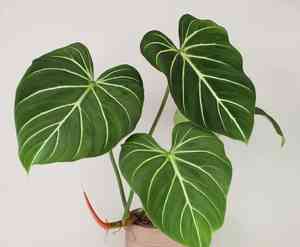
The Black gold philodendron flourishes when its root system has ample room to expand. This variety is recognized for its vibrant, deep green leaves with golden veins, which demand sufficient nutrients and space for peak vitality. As the plant matures, its roots can become congested and bound, restricting its development. By comprehending its growth habits, you can ensure regular inspections and prevent any root-related issues that might hinder its progress.
Identifying indicators that it's time for a new container
There are several clear signs that your Black gold philodendron requires replanting. If you observe roots circling the topsoil or emerging from the drainage holes, it's a definite signal. Furthermore, if the plant appears waterlogged despite proper irrigation or exhibits signs of stunted development, these could indicate that the current container has become too small.
Advantages of replanting for plant vigor
Replanting your Black gold philodendron not only provides the plant with more room for its roots but also helps revitalize the growing medium, ensuring the plant has access to vital nutrients. This process can lead to healthier foliage, enhanced development, and a more resilient plant. By offering it a new home, you'll be promoting long-term strength and beauty.
When to Replant Your Black gold philodendron
Optimal seasons for replanting
For the Black gold philodendron, the best times to replant are during spring and autumn. These periods offer moderate temperatures and an active growth phase where the plant can readily adjust to its new surroundings. This timing minimizes the stress that might occur due to temperature or light fluctuations.
Frequency of replanting for optimal growth
Typically, the Black gold philodendron should be replanted every 1-2 years. However, it's essential to observe the plant regularly and look for the previously mentioned indicators (such as root congestion and slow development) to determine the ideal time for each individual specimen.
Choosing the Right Container and Growing Medium
Selecting the appropriate pot size and material
Choosing the correct container is crucial. Ideally, select a pot that is 2-5 cm (1-2 inches) larger in diameter than the current one to provide the roots with sufficient space to grow without overwhelming the plant. The pot's material can also make a difference: terracotta pots offer breathability, while plastic pots retain moisture more effectively. Depending on your plant's water requirements and environment, choose the material accordingly.
The ideal soil mixture for Black gold philodendron
The Black gold philodendron prefers a well-draining, airy soil blend. A combination of potting soil, perlite, and peat moss or coco coir creates an optimal environment that retains necessary moisture while also ensuring proper air circulation. This mixture helps prevent root rot and supports healthy development.
Step-by-Step Guide to Replanting
Preparing your work area and gathering tools
Before you begin replanting, prepare a clean, spacious work area. Gather essential tools such as gardening gloves, a small spade or trowel, a new pot, and fresh soil mix. Having everything ready will make the process smoother and more efficient.
Safely removing the plant from its old container
To remove the Black gold philodendron safely, gently tilt the pot and tap its sides to loosen the soil. Carefully slide the plant out, supporting the root ball with your hands. Take care not to pull the plant by its stems or leaves to avoid causing damage.
Examining and trimming the roots if necessary
Once the plant is out, inspect the roots. Look for any signs of decay or disease (such as dark, mushy roots) and trim these parts away with sterilized shears. If the roots are densely packed, gently separate them to encourage new growth.
Transplanting and aftercare advice
Place a layer of the fresh soil mix at the bottom of the new pot. Position the Black gold philodendron in the center, and fill around the root ball with more soil mix, pressing lightly to eliminate air pockets. Water the plant thoroughly after replanting and place it in an area with indirect sunlight. Continue to monitor the plant in the following weeks, adjusting irrigation as needed to support healthy acclimation.



