Boost Growth: How and When to Repot Your Heartleaf philodendron Plant
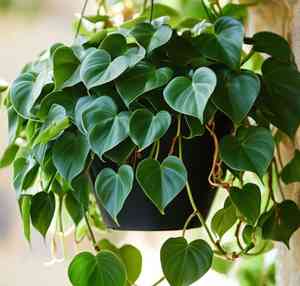
1
Transplanting your Heartleaf philodendron during the appropriate season aids in reducing stress from relocation.
2
Select a container that is approximately 2-5 cm (1-2 inches) wider than its current pot to accommodate root expansion.
3
Employing a soil mixture that drains efficiently assists in warding off root decay and maintains optimal humidity for your plant.
Why Replant Your Heartleaf Philodendron?
Recognizing indicators of overgrown containers
As your Heartleaf philodendron develops, you might notice it becoming too large for its current container. This can show up in various ways: roots may start to emerge from the drainage openings, the growing medium might dry out more rapidly than usual, or the plant itself could become top-heavy and unstable. Detecting these signs early helps you know when to replant and offer your plant a more spacious home.
Advantages of replanting for plant vitality
Replanting your Heartleaf philodendron isn't solely about providing more room for expansion; it's also vital for its well-being. Fresh substrate supplies new nutrients essential for the plant's flourishing. Moreover, replanting offers an opportunity to remove any dead or decaying roots, thereby reducing the risk of root rot and other issues. Ultimately, a properly executed replanting procedure can lead to a healthier, more vibrant specimen.
When Is the Ideal Time to Replant?
Identifying the prime season for transplanting
The optimal periods to replant your Heartleaf philodendron are during spring and fall. These seasons offer moderate temperatures and light conditions that are perfect for the plant to quickly recover from the shock of being moved. Refrain from replanting during extreme weather, whether very hot or very cold, as these conditions can make the transition more difficult for the plant.
Indicators that your Heartleaf philodendron needs replanting
Besides seasonal timing, certain signals suggest your plant requires a new pot. If you observe roots protruding from the drainage holes, leaves turning yellow, or stunted growth, it's time to upgrade your Heartleaf philodendron to a larger container. Also, if your plant needs frequent watering due to quick soil drying, consider moving it to a bigger pot.
Choosing the Appropriate Pot and Soil
Selecting a container: material and size considerations
When picking a new container for your Heartleaf philodendron, evaluate both the material and the dimensions. Terracotta pots are porous and help prevent over-saturation of the soil, but they can cause faster drying. Plastic pots retain moisture better but lack the same breathability. Regardless of material, choose a pot 2-5 cm (1-2 inches) larger in diameter than the current one to allow root growth without overwhelming the plant.
Best substrate mixture for Heartleaf philodendron
Choosing the correct soil mixture is vital for your Heartleaf philodendron's health. A well-draining potting mix formulated for houseplants is suitable. For improved drainage, you can incorporate perlite or pumice into the blend. This ensures that excess water can quickly escape, thereby lessening the chance of root rot. Furthermore, the soil should hold sufficient moisture to support the plant's needs without becoming waterlogged.
Step-by-Step Guide to Replanting Heartleaf Philodendron
Preparing your workspace and materials
Before you begin replanting, gather all necessary items: the new pot, fresh potting substrate, protective gloves, and a small trowel. Lay down newspaper or a plastic sheet to keep your area tidy. Ensure everything is within reach to streamline the replanting process.
Safely removing the plant from its old pot
Carefully invert the container and gently tap the bottom to loosen the growing medium. Hold the stem's base and cautiously pull the plant out. If the plant resists, slide a knife around the pot's edge to free the roots. Handle the plant by its root ball to prevent damage to the stem.
Positioning the plant in the new container
Fill the new pot approximately one-third full with the substrate mix. Center the Heartleaf philodendron in the pot, adjusting its height as required. Fill in around the plant with more soil, pressing softly to remove air pockets. Ensure the root ball is covered but avoid burying the stem too deeply.
Post-replanting care advice
After replanting, thoroughly water the Heartleaf philodendron to help settle the soil. Place the plant in a location with bright, indirect illumination. Keep the substrate consistently moist but not saturated, and refrain from fertilizing for the initial few weeks to allow the plant to acclimate. Watch for any indications of stress.
Addressing Common Replanting Issues
Handling root decay after transplanting
If you notice soft or malodorous roots, your plant might be suffering from root rot. Remove the affected roots with disinfected shears and allow the healthy roots to dry slightly before repotting in fresh, well-draining soil. Ensure your pot has adequate drainage to prevent recurrence.
Managing leaf distress and wilting
It's normal for Heartleaf philodendron to exhibit some leaf wilting following replanting. Ensure it receives the correct amount of light and water. Avoid excessive watering as this can worsen stress. Patience is crucial; the plant will typically recover within a few weeks if all other conditions are optimal.



