Boost Growth: How and When to Repot Your Emerald ripple peperomia Plant
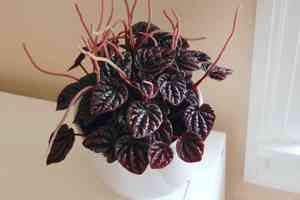
1
The best times to transfer Emerald ripple peperomia to a new pot are during the Spring and Winter.
2
Select a container that allows for proper water runoff to avoid excessive moisture.
3
Transplanting aids in revitalizing the plant's well-being by alleviating root bound conditions.
The Importance of Repotting Emerald Ripple Peperomia
Understanding root health and growth limitations
Every plant has a finite capacity for growth within a confined container, and the Emerald ripple peperomia is no different. Over time, the plant's root system can become densely packed in its pot, hindering its ability to efficiently absorb nutrients and water. This root congestion can lead to stunted development and poor vitality. Repotting resolves this by offering the plant more room for root expansion, ensuring robust and healthy growth.
Benefits of repotting: Enhanced growth and disease prevention
Repotting your Emerald ripple peperomia not only provides additional space for growth but also aids in revitalizing the soil. Aged soil can become compacted and lose its nutritional value over time. By repotting, you introduce fresh soil rich in essential nutrients, promoting the plant's development. Furthermore, repotting can assist in preventing diseases. Old soil may harbor pests and pathogens; replacing the soil significantly lowers the risk of plant ailments.
When to Repot Emerald Ripple Peperomia
Key indicators that suggest itâs time for repotting
A primary indicator that your Emerald ripple peperomia requires repotting is when roots emerge from the pot's drainage holes. Additionally, if the plant has ceased growing, appears top-heavy, or the soil dries out rapidly after watering, it's time to consider repotting. These signs indicate that the roots have occupied most of the pot's volume and need more space for continued healthy development.
Optimal seasons for repotting and why timing matters
The best times for repotting the Emerald ripple peperomia are Spring and Winter. Spring is ideal as it aligns with the plantâs natural active growth period, providing the best chance for it to adapt to its new environment and flourish. Winter is also suitable as the plant's growth slows, making the relocation less stressful. Timing is crucial because repotting during these periods ensures the plant experiences minimal shock and recovers more quickly.
Choosing the Right Soil and Pot for Emerald Ripple Peperomia
Soil types that promote root vitality and water drainage
To foster root health and proper water drainage for your Emerald ripple peperomia, itâs vital to select a well-draining soil mixture. A blend of peat, perlite, and pine bark works effectively, as it creates a light and airy medium that prevents water from stagnating. Good drainage is essential to prevent root rot, which can be detrimental to the plantâs well-being.
Selecting a pot size and material that supports growth
When choosing a new pot, opt for one that is 3-5 cm (1-2 inches) larger in diameter than the current pot. This ensures the roots have ample room to expand without being overwhelmed by excessive space. A pot with drainage holes is crucial to prevent water accumulation. Moreover, pots made from breathable materials like terracotta are excellent because they allow for improved air circulation, encouraging healthier root development.
Step-by-Step Guide to Repotting Emerald Ripple Peperomia
Preparing your workspace and gathering necessary tools
Begin by setting up your workspace with all the required tools and supplies. You'll need fresh potting mix, an appropriate pot with drainage holes, gloves, a small shovel, and a watering can. Having everything readily available will make the repotting process smoother and more efficient.
Detailed walkthrough of the repotting process
Start by gently removing the Emerald ripple peperomia from its current pot. If the plant is stuck, carefully run a knife around the pot's inner edge. Once out, gently loosen the root ball with your fingers to dislodge some of the old soil. Position the plant in the new pot, ensuring it sits at the same depth as it did previously. Fill the gaps with fresh soil, pressing lightly to stabilize the plant. Water the plant thoroughly to help the soil settle.
Post-repotting care tips to ensure successful adaptation
After repotting, place the Emerald ripple peperomia in a spot with bright, indirect light. Avoid direct sunlight as the plant recovers from the repotting process. Keep the soil slightly moist, but be careful not to overwater. Monitor the plant for any signs of stress, such as wilting or yellowing foliage, and adjust care as needed. With the correct environment and attention, your repotted Emerald ripple peperomia will flourish and grow beautifully.



