Boost Growth: How and When to Repot Your Egyptian starcluster Plant
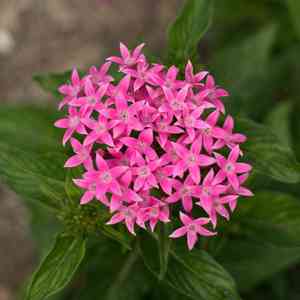
1
Egyptian starcluster plants benefit from being transplanted to a new pot every one to two years.
2
The optimal period for repotting your Egyptian starcluster is in the spring or early summer.
3
Verify that the new container possesses adequate drainage openings to avoid excessive moisture retention.
Why Replant Your Egyptian starcluster?
Fostering Robust Development: Understanding the Advantages
Replanting your Egyptian starcluster is vital for maintaining its health and vigor. Over time, plants deplete soil nutrients, which can hinder their growth. Replanting provides fresh, nutrient-rich soil, supporting strong root development and overall plant growth. Additionally, a larger container offers more root expansion space, reducing the risk of rootbound conditions that can impair plant health.
Recognizing Indicators for Repotting
It's crucial to identify when your Egyptian starcluster requires replanting. Key signs include roots emerging from drainage holes, soil drying quickly after watering, or stunted growth despite optimal care. Other indicators are yellowing leaves or reduced flower production. Regular checks for these signs help maintain plant health and encourage continuous growth.
When is the Optimal Time for Repotting?
Best Seasons for Replanting: Spring and Early Summer
For optimal growth and recovery of your Egyptian starcluster, replanting should occur during spring or early summer. This period aligns with the plant's active growth phase, enabling it to adapt to new soil and pot conditions more efficiently. Repotting then ensures the plant can leverage increasing light and warmth to establish itself in its new environment.
Growth Cycles and Replanting Schedule
Understanding your Egyptian starcluster's growth cycles is essential for proper timing. Most plants experience dormancy, typically in winter, and active growth in spring and summer. Replanting during its active growth phase supports better root establishment and minimizes transplant shock. By aligning replanting with these cycles, you ensure your plant can quickly adapt and thrive in its new container.
Preparing to Replant Your Egyptian starcluster
Selecting the Appropriate Soil and Container
Choosing the correct soil and pot is critical for successful replanting of your Egyptian starcluster. Opt for a well-draining potting mix to prevent root rot and ensure adequate air circulation for the roots. A pot 2-5 centimeters (1-2 inches) larger in diameter than the current one is ideal, allowing root growth without overwhelming the plant. Ensure the new pot has drainage holes to facilitate excess water removal, preventing waterlogging and root rot.
Necessary Tools and Materials
Gathering the required tools and supplies before starting the replanting process can make the task smoother and more efficient. You will need a new pot with drainage holes, well-draining potting mix, scissors or pruning shears, a small trowel, and possibly a watering can. Having everything on hand ensures you won't need to interrupt the process, minimizing stress for your plant.
Step-by-Step Replanting Procedure
Safely Removing Your Plant from Its Original Pot
Begin by gently loosening the soil around the edges of your Egyptian starcluster's current pot. Carefully tilt the pot and tap it to release the plant. If the plant is resistant, use a small trowel to ease it out. Be careful not to pull on the plant, as this can damage the roots. Once removed, inspect the root ball and trim any dead or excessively long roots.
Potting Mix Preparation and Plant Placement
Fill the new pot one-third full with the well-draining potting mix. Position your Egyptian starcluster in the center of the pot and begin filling around it with more soil, ensuring the plant is upright. Lightly press the soil to remove air pockets but avoid compacting it too much, as this can reduce aeration. Water the plant lightly to help settle the soil.
Post-Replanting Care Advice
After replanting, place your Egyptian starcluster in a location with indirect sunlight and warmth. Water it lightly to avoid waterlogging as the plant adjusts to its new environment. Monitor the plant closely for signs of stress, such as wilting or yellow leaves, and adjust care accordingly. Fertilizing should be delayed for a few weeks to allow the plant to recover from the replanting process.
Addressing Common Issues After Replanting
Managing Leaf Drop or Wilting
It's common for your Egyptian starcluster to show leaf drop or wilting after replanting due to transplant shock. Maintain consistent care, avoid overwatering, and ensure the plant isn't exposed to extreme temperatures. Gradually, the plant should acclimate and recover, showing new growth within a few weeks.
Preventing Root Rot and Other Ailments
To prevent root rot, ensure your Egyptian starcluster is in a well-draining pot with appropriate potting mix. Avoid overwatering and allow the top layer of soil to dry out between waterings. Regularly check for signs of diseases, like unusual spots or mold, and promptly address them by adjusting care routines or using suitable treatments.



