Boost Growth: How and When to Repot Your Ivy geranium Plant
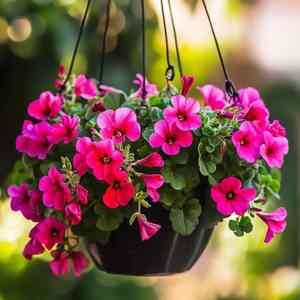
1
Replant your Ivy geranium every 12 to 18 months for robust development.
2
The best times to repot Ivy geranium are during spring and winter.
3
Employ a soil blend that drains effectively to avoid root decay and excessive watering.
Why Replant Your Ivy Geranium?
Promoting robust root development
Transplanting your Ivy geranium fosters strong and healthy root growth. When kept in a small container for too long, roots can become crowded and intertwined, hindering their capacity to absorb nutrients. By replanting, you provide roots with more room to expand, cultivating a more vigorous and resilient plant.
Improving nutrient absorption
New soil supplies vital nutrients to your Ivy geranium, allowing the plant to thrive. Over time, the potting medium loses its nutritional value, making it harder for plants to acquire the nutrients needed for growth. By giving your plant fresh soil, you replenish these depleted nutrients, ensuring your Ivy geranium stays healthy and vibrant.
Enhancing overall plant vigor
Replanting isn't solely about the roots; it concerns the entire plant. Moving your Ivy geranium to a larger pot with fresh soil can significantly boost its overall vitality. You'll likely observe more lush foliage, more vivid blooms, and a generally healthier appearance.
When to Replant Your Ivy Geranium?
Identifying indications of root-bound conditions
A clear sign that your Ivy geranium requires replanting is if it's root-bound. You might notice roots emerging from drainage holes, a dense root ball when removing the plant from its container, or soil that dries out almost immediately after watering. These all suggest it's time for a bigger pot.
Optimal season for replanting
The best times for replanting your Ivy geranium are spring and winter. During these periods, the plant is either preparing for a phase of vigorous growth (spring) or entering a semi-dormant state (winter), making it less stressed by the change.
Observing growth patterns
Regularly monitoring your Ivy geranium's growth patterns can offer clues about when it's time to replant. If you notice stunted growth or fewer flowers, it could indicate that the plant's current pot is restricting its development.
Choosing the Right Pot and Soil for Ivy Geranium
Selecting the appropriate pot size
When choosing a new pot, select one that is approximately 2.5-5 centimeters (1-2 inches) wider in diameter than the current one. This offers ample space for root growth without overwhelming the plant. Ensure the pot has drainage holes to prevent waterlogging.
Understanding soil preferences
Ivy geraniums prefer a well-draining soil mixture. A good choice is a blend of potting soil, perlite, and a small amount of compost. This combination ensures that while the soil retains some moisture, it doesn't become waterlogged, which is crucial for the plant's health.
Benefits of well-draining soil
Utilizing well-draining soil is vital as it helps prevent root rot and overwatering, common problems that can negatively impact your Ivy geranium. Well-draining soil allows excess water to escape easily, ensuring the roots receive sufficient oxygen.
Steps to Replant Ivy Geranium
Preparing your workspace and supplies
Begin by gathering all necessary items: a new pot, fresh well-draining soil, gardening gloves, and a trowel. Ensure your work area is clean and adequately protected to manage any potential mess.
Gently removing the plant from its current container
Carefully turn your plant on its side and gently tap the bottom of the pot to loosen it. If the plant is resistant, use a trowel to run around the edge to ease it out without harming the roots.
Root trimming, if required
Inspect the roots once the plant is out. If they are tightly packed or circling the root ball, gently trim them with clean, sharp shears. Pruning encourages root branching, leading to a healthier plant.
Placing the plant in the new container
Add some fresh soil to the bottom of the new pot and position your Ivy geranium in it. Fill around the sides with more soil, making sure to leave some space at the top for watering. Gently firm the soil but avoid compacting it too much.
Final steps to ensure successful adjustment
Water your Ivy geranium thoroughly after replanting to help settle the soil. Place the plant in a suitable location with appropriate light conditions and avoid exposing it to direct, intense sunlight until it has adapted to its new pot.
Caring for Your Ivy Geranium After Replanting
Watering requirements post-replanting
After replanting, water your Ivy geranium thoroughly and then allow the soil to dry out slightly before watering again. Monitor the moisture level, ensuring the soil remains moist but not saturated.
Location and light conditions
Place your replanted Ivy geranium in a bright, indirectly lit area to aid its adjustment. Avoid direct sunlight for the initial few weeks as the plant acclimates to its new surroundings.
Monitoring for stress and recovery indicators
Keep a close watch on your Ivy geranium for any signs of stress, such as yellowing leaves or wilting. These can signal issues with watering, light, or a failure to adapt to the new pot. Adjust care routines as needed to support recovery.



